




How to Choose the Right Checker Plate for Safety and Architectural Applications
How to Choose the Right Checker Plate for Safety and Architectural Applications
Checker plate, also known as diamond plate or tread plate, is widely used in locations where slip resistance, durability, and long-term performance are important. The raised patterns on its surface help improve footing while also adding a distinctive industrial appearance.
Today, checker plates are found in factories, wastewater treatment facilities, offshore platforms, stair systems, transportation equipment, and even architectural projects where both safety and appearance matter.
Why Slip Resistance Is Important
Slip-and-fall incidents remain one of the most common workplace accidents worldwide. According to OSHA's guidance on walking-working surfaces, employers should provide safe walking areas and reduce hazards that may contribute to slips, trips, and falls.
Reference:
https://www.osha.gov/walking-working-surfaces
For this reason, raised-pattern flooring materials such as checker plates continue to be widely used in industrial environments.
Understanding Different Types of Checker Plates
Not all checker plates are the same. Different materials and surface patterns are designed for different operating conditions.
Diamond Plate
Diamond plate is one of the most recognizable anti-slip metal products.
Common surface patterns include:
- Diamond pattern
- Willow leaf pattern
- Lentil pattern
- Round pattern
Among these options, five-bar willow leaf patterns are often preferred because they provide more contact points and improved traction compared with two-bar or three-bar designs.
The back side remains flat, making installation straightforward on floors, platforms, and stair systems.
Aluminum Checker Plate
Aluminum checker plate is commonly used when corrosion resistance and reduced weight are important.
Advantages include:
- Lightweight construction
- Natural corrosion resistance
- Easy fabrication
- Recyclability
Because polished aluminum has an attractive appearance, it is frequently used in architectural projects, interior decoration, elevator panels, and vehicle applications.
Galvanized Checker Plate
Galvanized checker plate combines steel strength with zinc coating protection.
The zinc layer helps reduce corrosion in outdoor and humid environments.
ISO standards for galvanized steel products are commonly referenced when selecting corrosion-resistant flooring materials.
Reference:
Common applications include:
- Industrial flooring
- Vehicle ramps
- Warehouse access systems
- Loading docks
- Equipment platforms
Stainless Steel Checker Plate
Stainless steel checker plate is often selected for demanding environments where corrosion resistance is critical.
Grades such as:
- Stainless Steel 304
- Stainless Steel 316L
are commonly used in:
- Chemical processing plants
- Food manufacturing facilities
- Offshore platforms
- Wastewater treatment plants
Stainless steel offers excellent durability and can often remain in service for many years with minimal maintenance.
Alternatives to Traditional Checker Plate
Several other anti-slip products are commonly used alongside checker plates.
Expanded Metal Grating
Expanded metal grating is manufactured by cutting and stretching metal sheets to create raised openings.
Unlike solid checker plate, expanded metal allows:
- Drainage
- Ventilation
- Debris removal
The raised surface also provides good traction.
Because liquids and dirt can pass through the openings, maintenance requirements are often reduced.
NIOSH identifies contaminated walking surfaces as a significant factor in workplace slip incidents.
Reference:
Channel-Shaped Safety Grating
Channel safety grating is designed with raised traction points and large drainage openings.
Its design provides two key benefits:
- Improved grip
- Self-cleaning capability
These characteristics make it suitable for outdoor walkways, industrial platforms, and access systems where mud, snow, or water may accumulate.
Serrated Steel Bar Grating
Serrated steel bar grating consists of load-bearing bars welded together with cross bars.
The serrated edges improve traction while maintaining high structural strength.
Common applications include:
- Offshore platforms
- Industrial stairs
- Maintenance platforms
- Heavy-duty walkways
Hot-dip galvanized finishes are often used to extend service life in outdoor environments.
Material Selection Considerations
Selecting the correct material depends on operating conditions.
For Corrosive Environments
Stainless steel 316L is often preferred because it performs well in marine and chemical environments.
For General Industrial Applications
Galvanized steel provides a practical balance between cost and durability.
For Lightweight Structures
Aluminum is often chosen when reducing overall weight is important.
ASTM standards are widely used throughout the engineering industry when evaluating material properties and structural performance.
Reference:
Common Applications
Checker plates and related anti-slip products can be found in many industries.
Industrial Facilities
Used for:
- Factory flooring
- Maintenance platforms
- Access walkways
- Equipment support areas
Wastewater Treatment Plants
Drainage and corrosion resistance are particularly important in these environments.
Offshore Platforms
Marine environments expose flooring systems to:
- Salt spray
- Moisture
- Heavy traffic
Corrosion-resistant materials help improve long-term performance.
Transportation Equipment
Checker plates are commonly used on:
- Truck running boards
- Vehicle steps
- Rail maintenance platforms
- Cargo handling systems
Architectural Applications
In addition to industrial use, checker plates are frequently used as decorative materials in:
- Ceilings
- Elevators
- Furniture
- Wall panels
- Design studios
Their combination of texture and metallic appearance makes them popular in contemporary architectural projects.
Safety Standards and Access Systems
Industrial stairs, platforms, and walkways are often designed according to EN ISO 14122, which provides guidance for permanent means of access to machinery.
Reference:
https://www.iso.org/standard/63563.html
These standards emphasize safe access, reliable footing, and appropriate platform design.
Conclusion
Checker plates remain one of the most widely used anti-slip flooring materials because they provide a balance between safety, durability, corrosion resistance, and ease of installation.
Whether manufactured from aluminum, galvanized steel, or stainless steel, they continue to play an important role in industrial facilities, transportation systems, offshore structures, and architectural projects. Understanding the characteristics of each material helps engineers and facility managers select the most suitable option for their specific environment.
SEO Keywords
Checker Plate, Diamond Plate, Tread Plate, Aluminum Checker Plate, Galvanized Checker Plate, Stainless Steel Checker Plate, Anti Slip Flooring, Industrial Flooring Plate, Diamond Tread Plate, Raised Pattern Plate, Anti Slip Metal Flooring, Serrated Steel Grating, Expanded Metal Grating, Safety Grating, Industrial Walkway Flooring, Offshore Platform Flooring, Stair Tread Plate, Warehouse Flooring Plate, Industrial Safety Flooring, Decorative Metal Plate, Aluminum Diamond Plate, Stainless Steel Tread Plate, Galvanized Floor Plate, Slip Resistant Flooring, Metal Access Platform, Industrial Stair Treads, Non Slip Walkway Plate, Vehicle Running Board Plate, Marine Flooring Plate, Corrosion Resistant Flooring, Wastewater Plant Flooring, Factory Walkway Plate, Heavy Duty Floor Plate, Industrial Platform Decking, Architectural Metal Panel, Anti Slip Steel Plate, Safety Access Flooring, Platform Safety Grating, Metal Flooring Solutions, Industrial Deck Plate
Recommended Tag
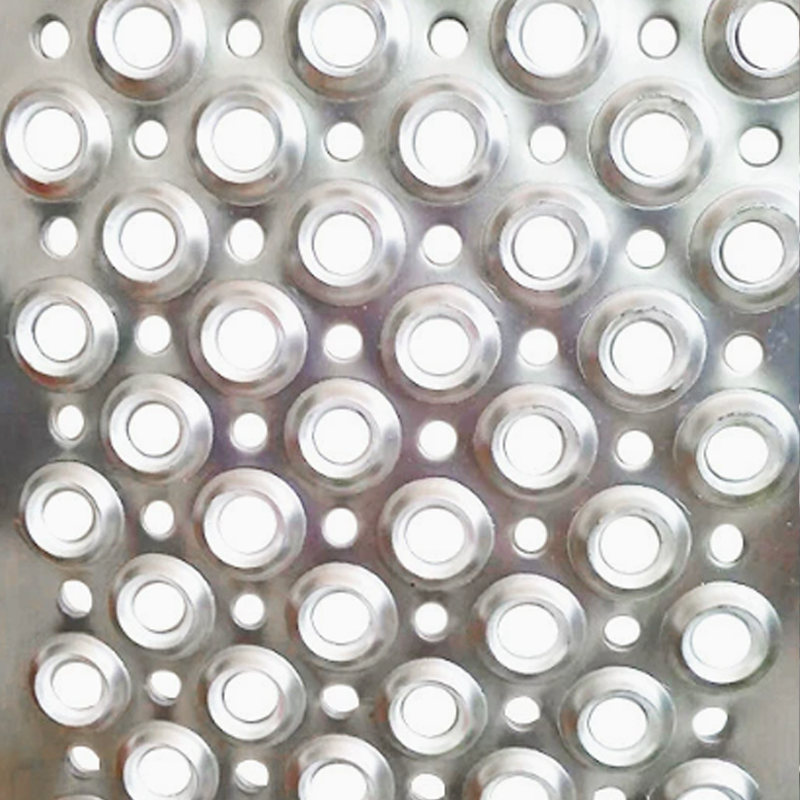
Aluminum Anti-Slip Tread Plate with Serrated Perforations (Tag ID: 2)