


How to Choose Metal Pegboards for Mechanical Workshop Tool Storage
For mechanical rooms storing wrenches, drills and heavy hardware, cold‑rolled steel pegboard is the only reliable option; wood and plastic are unsuitable. Square holes suit heavy power tools, while round holes support magnetic accessories. Reinforced bordered, thick panels are essential for long‑term stability. Many buyers pick cheap thin pegboards without proper specs, leading to warped plates, slipping hooks and falling tools that create workshop safety risks. We share a real workshop case, material guides, hole selection rules and installation standards from our factory. While sourcing metal storage panels, explore our **Acoustic Perforated Panels**, **Decorative Perforated Panels**, and **Anti‑Slip Perforated Panels**. ASCE technical notes cover steel panel deflection under static loads, a key reference for heavy‑duty storage setups.
How to Select Perforated Metal Panels for Decorative Screen Partitions
electing perforated metal for screen partitions relies on two core decision tracks: first evaluate the environment, corrosion exposure and available budget; second define the design mood, as hole geometry directly shapes light diffusion, privacy and visual character. Many designers and procurement teams select perforated partitions only by render appearance. They overlook hole pitch tolerance, flatness control, coating compatibility and framing requirements, which causes warping, uneven light transmission, premature rust and compromised privacy after installation. Today we share a real project case, material comparisons, hole pattern guidance and actionable specification rules from our factory. When browsing decorative metal options for your project, explore our **Acoustic Perforated Panels** for sound attenuation, **Decorative Perforated Panels** for exterior facades, and **Anti-Slip Perforated Panels** for industrial walkway traction. Architectural Digest has published guidance on perforated metal interior dividers, balancing transparency, privacy and minimalist aesthetics for commercial fit-out projects.
Service Life of Fish-Eye Anti-Slip Plate vs Crocodile Mouth Anti-Slip Plate
Under identical base material, plate thickness and surface finishing, the corrosion service life of the substrate itself stays almost the same. The real difference lies in the wear lifespan of anti-slip raised patterns. Crocodile mouth anti-slip plates feature thin serrated protrusions; the sharp tooth tips get worn flat quickly under constant foot traffic and wheel rolling, so anti-slip performance fades faster. Fish-eye anti-slip plates adopt rounded curled raised bumps. Stress distributes evenly without thin sharp edges, delivering stable wear resistance and retaining anti-slip function for a longer period. Many industrial buyers mistakenly select anti-slip plates only by initial friction effect and end up facing frequent safety risks and repeated replacement costs. Today we share a real client case, material lifespan reference data and practical selection advice from our factory.
How to Pick the Right Hole Size for Ventilation & Heat Dissipation Perforated Mesh
Many equipment buyers struggle to balance airflow, safety and dust resistance when ordering ventilation perforated mesh. A recent overseas cabinet manufacturer client faced overheating and safety compliance troubles after choosing the wrong mesh specification. Today we share this real case, our technical solution, and core selection knowledge to help you avoid costly trial-and-error. Whether you source mesh for IT server racks, industrial machinery guards, marine equipment or outdoor electrical cabinets, this guide breaks down the tradeoffs between open area, hole geometry, dust capture and regional safety codes. Selecting perforated metal purely based on appearance or price often creates hidden operational risks that only appear after mass shipment and field installation, which is why systematic specification review from an experienced perforated metal manufacturer is invaluable for OEM and system integrator projects.
Louvered Perforated Sheets (Flanged Louver Holes) | Function, Material & Specification Guide
Louvered perforated sheets differ fundamentally from standard round-hole perforated panels. They are formed by stamping flanged louver openings, delivering four integrated benefits: directional rain deflection, ventilation, visual screening and low wind resistance. Many engineers confuse them with regular perforated sheets and install louvers backward, causing water ingress and project rework. This guide breaks down use cases, material options, design rules and common field pitfalls. For matching architectural perforated products, view our [Decorative Perforated Panels](https://perforatedmetalpanel.com/decorative-perforated-panels).
Mainstream Surface Finishes for Perforated Metal Sheets | Selection Guide
Surface treatment defines the corrosion resistance, colour, texture and service life of perforated metal sheets. Different finishes including galvanizing, powder coating, PVDF fluorocarbon, anodizing, stainless steel brushing and UV printing serve distinct indoor and outdoor projects. Many buyers select the wrong coating, leading to premature rust, fading or uneven surface defects. This guide sorts common treatments, performance limits and matching scenarios. For decorative perforated metal solutions, view our [Decorative Perforated Panels](https://perforatedmetalpanel.com/decorative-perforated-panels).
Galvanized Perforated Sheet vs Stainless Steel Perforated Sheet | Differences & Selection for Interior Decoration
alvanized perforated sheets and stainless steel perforated sheets protect against rust through completely different mechanisms. Galvanized panels rely on sacrificial zinc coating over carbon steel, while 304/316 stainless steel forms a natural passive chromium oxide alloy film. Many interior designers and project buyers pick the wrong material, triggering rust spots during humid southern seasons or wasting budget on over-specified stainless steel for dry zones. This guide breaks down core differences and clarifies which suits interior decorative use. For matching architectural metal products, view our [Decorative Perforated Panels](https://perforatedmetalpanel.com/decorative-perforated-panels).
Perforated Metal Equipment Guards | Advantages, Disadvantages & Selection Guide
Perforated metal equipment guards are widely used for industrial machinery, fan units, electrical control cabinets and machine tool protection. They balance physical safety isolation and airflow cooling, yet many buyers overlook inherent limitations including burr risks, dust penetration and stiffness trade-offs tied to open area ratio. Choosing between perforated panels, wire mesh or solid steel plates directly impacts machine uptime and operator safety. For matching architectural perforated metal products, view our [Decorative Perforated Panels](https://perforatedmetalpanel.com/decorative-perforated-panels).
Why Huizhou Roadside Electrical Cabinets Upgrade to Perforated Metal Enclosure Barriers
Roadside electrical cabinets along Huizhou urban roads once remained exposed, bringing reflective glare risk, accidental touch, collision damage and messy street visuals. Many Huizhou municipal road renovation projects now switch to custom perforated metal cabinet guards. These perforated barriers cut driving glare, isolate electrical equipment, sustain natural ventilation and integrate decorative patterns or printed graphics. Many buyers select thin low-cost panels without verifying perforation ratio and anti-corrosion finish, leading to early deformation and failure. For matching architectural metal products, view our [Decorative Perforated Panels](https://perforatedmetalpanel.com/decorative-perforated-panels).
How to Select Perforated Aluminum Tread Plate | Anti‑Slip Perforated Walkway Plate Specification Guide
Perforated aluminum tread plate, also widely called fish‑eye anti‑slip walkway plate, adopts embossed fish‑eye punched structure to realize anti‑slip grip, drainage and debris dropping functions. Many purchasers only focus on unit price, ignoring material grade, plate thickness, hole pattern and support span. Wrong selection causes plate sagging, poor anti‑slip performance and premature corrosion. This article covers material options, thickness matching, perforation parameters and processing tips. For architectural metal cladding solutions, check our [Decorative Perforated Panels](https://perforatedmetalpanel.com/decorative-perforated-panels).
How to Choose Perforated Aluminum Ceiling? Clip‑In Aluminum Tile vs Bent Aluminum Single Panel
Perforated aluminum ceiling is widely adopted for office, factory, lobby and exhibition hall renovation. Many buyers confuse clip‑in aluminum tile and bent aluminum single panel, and randomly match plate thickness, aperture and dimensions. Improper selection will lead to arching, deformation, messy visual effect and poor acoustic performance. This guide sorts out two mainstream perforated aluminum ceiling solutions, including standard sizes, thickness range, perforation parameters and installation schemes. If you need acoustic ceiling solutions, check our [Acoustic Perforated Panels](https://perforatedmetalpanel.com/acoustic-perforated-panels).
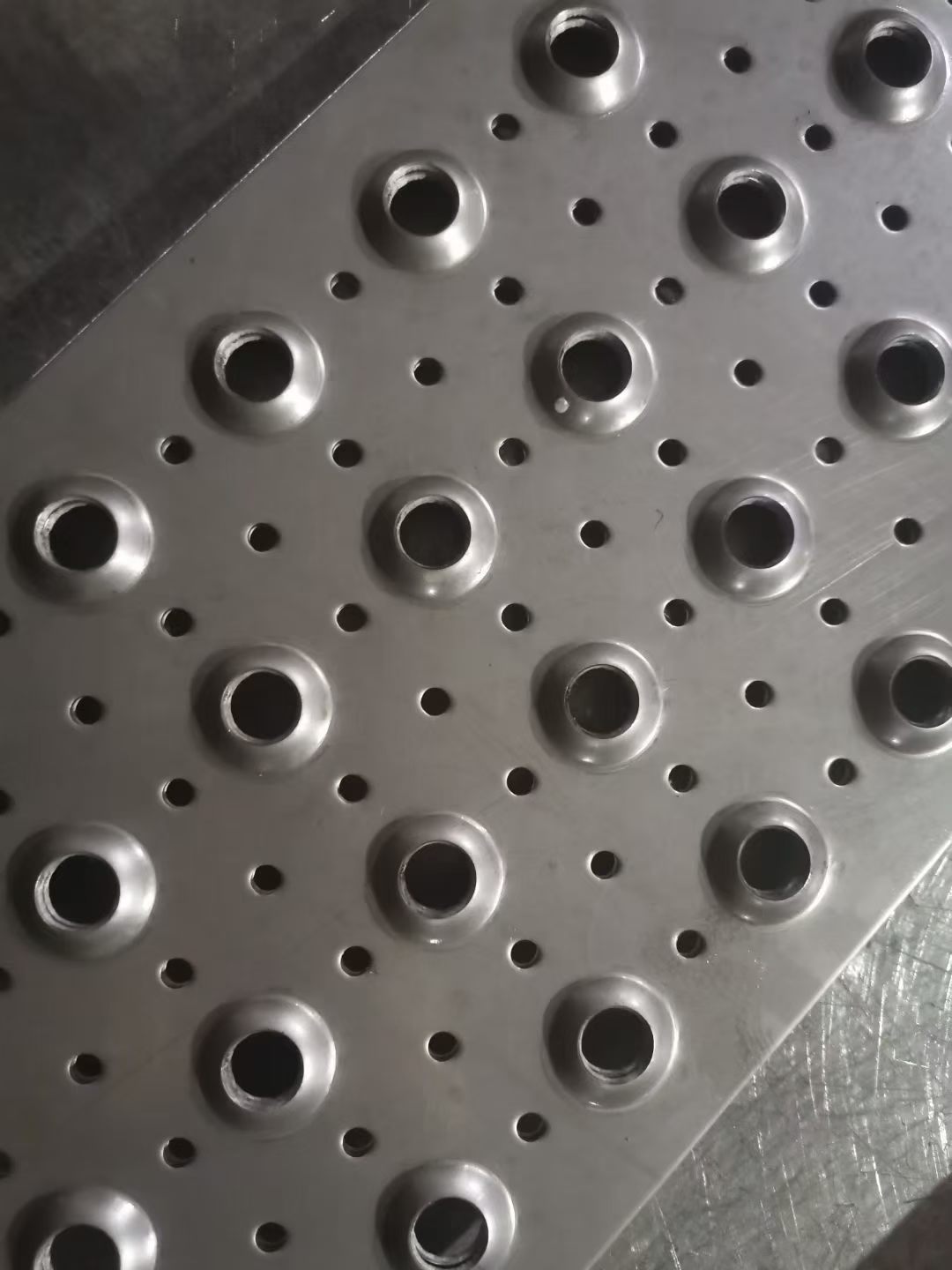
How to Select Fish‑Eye Anti‑Slip Perforated Plate? Focus on Load Rating & Operating Environment
Many buyers simply request “anti‑slip metal plates” during procurement without clarifying actual load conditions and site corrosive environment. Fish‑eye anti‑slip perforated plate belongs to a special textured perforated metal family. Differences in material grade, plate thickness, embossed fish‑eye height create huge gaps in slip resistance, load‑bearing capacity and service lifespan. Blind purchasing will either generate unnecessary high‑cost over‑spec materials or produce safety hazards caused by insufficient performance. This article breaks down core selection rules from load rating and operating environment perspectives. For matched metal safety flooring solutions, visit our [Anti‑Slip Perforated Panels](https://perforatedmetalpanel.com/anti-slip-perforated-panels).
Common Applications of Perforated Metal Sheets | Material Guide & Engineering Selection Tips
Perforated metal sheets, also known as punch plates or hole boards, are multi-purpose metal panels produced by precision punching. They integrate ventilation, noise reduction, structural protection and decorative effects, widely used for construction hoarding, architectural curtain walls, industrial sieving, advertising display, agricultural and transportation equipment. This guide sorts mainstream application scenarios, material differences and practical engineering advice. Whether you are a municipal contractor, interior designer or factory procurement buyer, you can quickly match suitable perforated sheet solutions. If you need decorative metal panels for facades and interiors, view our [Decorative Perforated Panels](https://perforatedmetalpanel.com/decorative-perforated-panels).
How to Select Stainless Steel Perforated Sheets? Full Guide for 304 Round Hole Perforated Sheets, Sizes & Pricing
Are you sourcing stainless steel perforated sheets for home room dividers, acoustic sound panels, industrial sieving and filtration? 304 round-hole perforated sheets, also widely known as hole boards, balance corrosion resistance, structural strength and decorative aesthetics perfectly. This guide covers core material features, key specifications including hole diameter, pitch and sheet thickness, application cases and professional buying tips. Whether for residential renovation, commercial interior or factory processing, you can pick suitable perforated metal without overspending or falling into common purchasing traps. If you need matched perforated metal products for your project, view our [Decorative Perforated Panels](https://perforatedmetalpanel.com/decorative-perforated-panels).
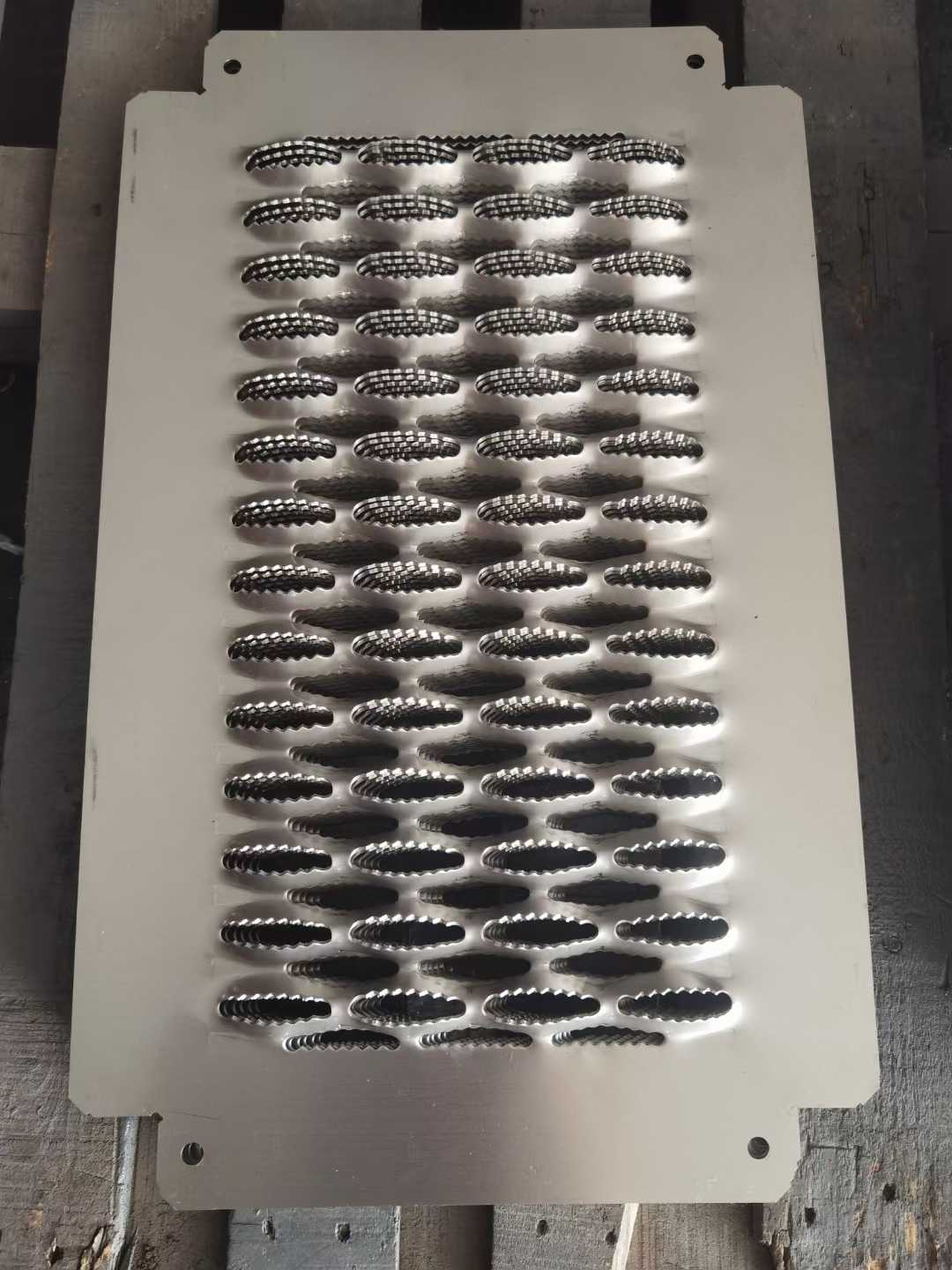
Crocodile Mouth Anti-Slip Perforated Plates | Application Scenarios, Material Selection & Engineering Guide
Crocodile mouth anti-slip perforated plate, also widely named grip strut safety grating, features raised jagged crocodile-tooth stamping profiles. Its unique tooth geometry delivers reliable slip resistance, while integrated perforations drain water, sediment and debris to prevent material buildup on pedestrian and equipment tread surfaces. This heavy-duty metal anti-slip panel serves industrial, port, municipal, mining and marine projects globally. For complementary metal panel solutions for your facility upgrade, visit our [Anti-Slip Perforated Panels](https://perforatedmetalpanel.com/anti-slip-perforated-panels).
Exterior Perforated Decorative Facade Panels | Galvanized Sheet vs Aluminum vs Stainless Steel Comparison
Exterior perforated decorative facade panels are widely adopted for modern building cladding, boundary walls, storefronts and feature facades. Three mainstream substrate choices dominate global facade projects: galvanized steel sheet, aluminum alloy sheet and stainless steel sheet. Each material carries unique cost, corrosion resistance, dead load and fabrication limitations. In short, galvanized sheet delivers low upfront cost but rusts easily once coating is scratched; aluminum is lightweight, and PVDF fluorocarbon coated aluminum serves as the primary option for conventional curtain walls; stainless steel provides superior salt-spray resistance for coastal projects at a higher price point. If you need coordinated decorative metal finishes for other building sections, browse our Decorative Perforated Panels.
Galvanized Perforated Fascia Installation for Supermarkets | Threaded Rod Suspension Solution
Supermarket hanging fascia is a long suspended decorative panel mounted above retail shelving. Most galvanized perforated fascia panels are pre-bent with folded edges, with angle brackets welded on the rear side, reserved space for integrated LED strips and illuminated signage. Threaded rod suspension paired with galvanized square tube framing remains the most stable and widely adopted solution for supermarket renovation projects. Our factory specializes in prefabricating these panels, pre-welding brackets and pre-drilling wiring holes to reduce complex on-site cutting and fabrication work. If your renovation project also requires noise control panels, browse our [Acoustic Perforated Panels](https://perforatedmetalpanel.com/acoustic-perforated-panels).
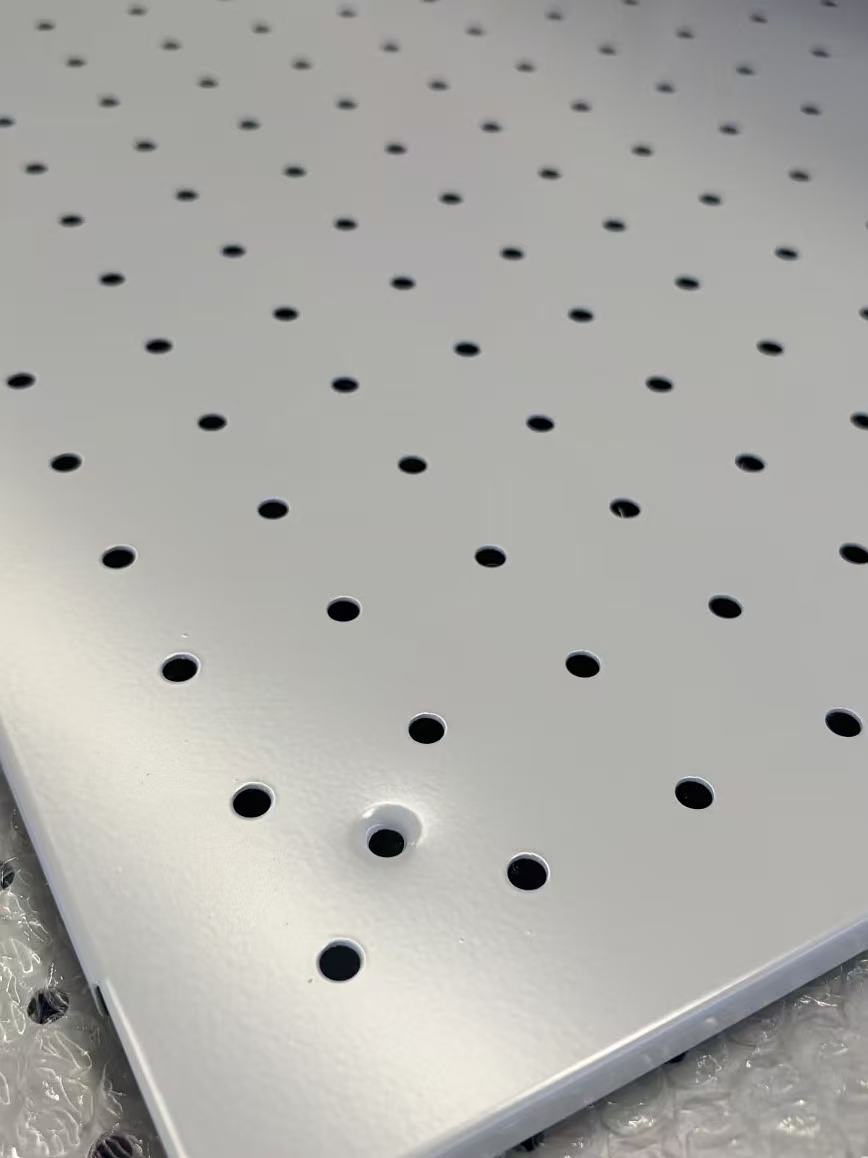
How to Choose the Hole Pitch for Perforated Pegboards
Many overseas buyers and retail purchasers confuse hole pitch with the narrow leftover strip between holes. This misunderstanding often leads to incompatible pegboard hooks, unusable panels, delayed sea shipments and extra logistics expenses. A cross-border ornament showroom client encountered this costly issue after ordering non-standard perforated pegboards. Our engineering team clarified core definitions, matched the proper hole pitch specification according to her existing hook set and display layout, arranged priority CNC punching production and delivered the panels on schedule. Our factory maintains in-stock moulds for mainstream sizes, and we flag compatibility risks upfront before confirming custom orders. If you also need decorative metal panels for other projects, view our [Decorative Perforated Panels](perforatedmetalpanel.com/decorative-perforated-panels) series for reference.
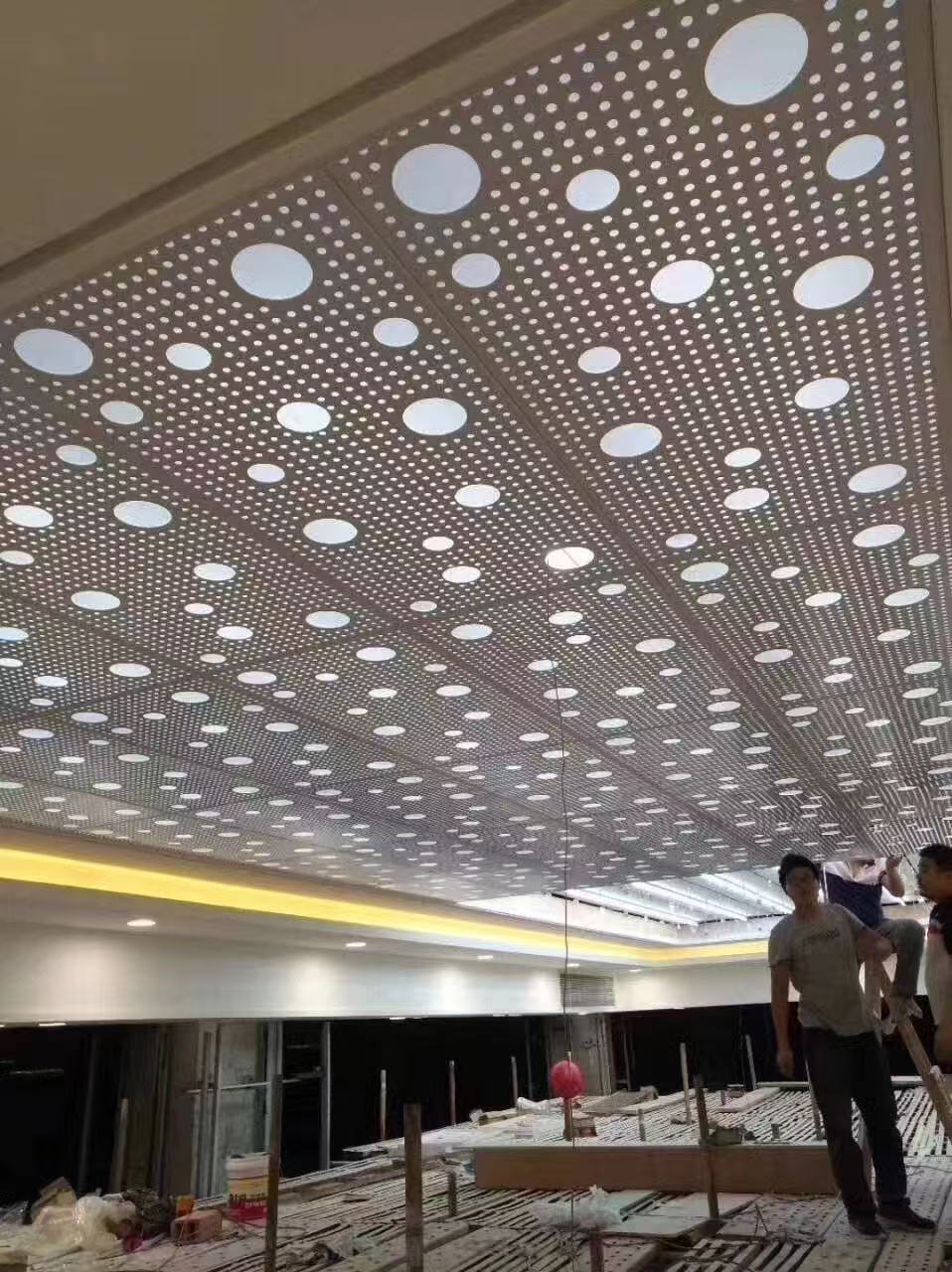
Park Landscape Upgrade Essential: Why Decorative Laser-Cut Perforated Panels Become Top Choice for Garden Boardwalks & Feature Walls
Urban pocket parks, riverside green corridors and municipal landscape renovation projects gradually phase out rigid, monotonous solid walls and simple metal railings. Traditional solid barriers block airflow, restrict sightlines and create a heavy, cramped atmosphere, often failing high-standard landscape acceptance inspections. Decorative artistic perforated panels have become the preferred material for premium landscape projects, waterfront boardwalks and park feature walls. They deliver transparent aesthetics, stunning shadow effects and flexible custom patterns for feature walls, fences, boardwalk decorations, garden dividers and landscape sculptures. You can combine [Acoustic Perforated Panels](https://perforatedmetalpanel.com/acoustic-perforated-panels), [Decorative Perforated Panels](https://perforatedmetalpanel.com/decorative-perforated-panels) and [Anti-Slip Perforated Panels](https://perforatedmetalpanel.com/anti-slip-perforated-panels) to complete integrated landscape enclosure schemes.
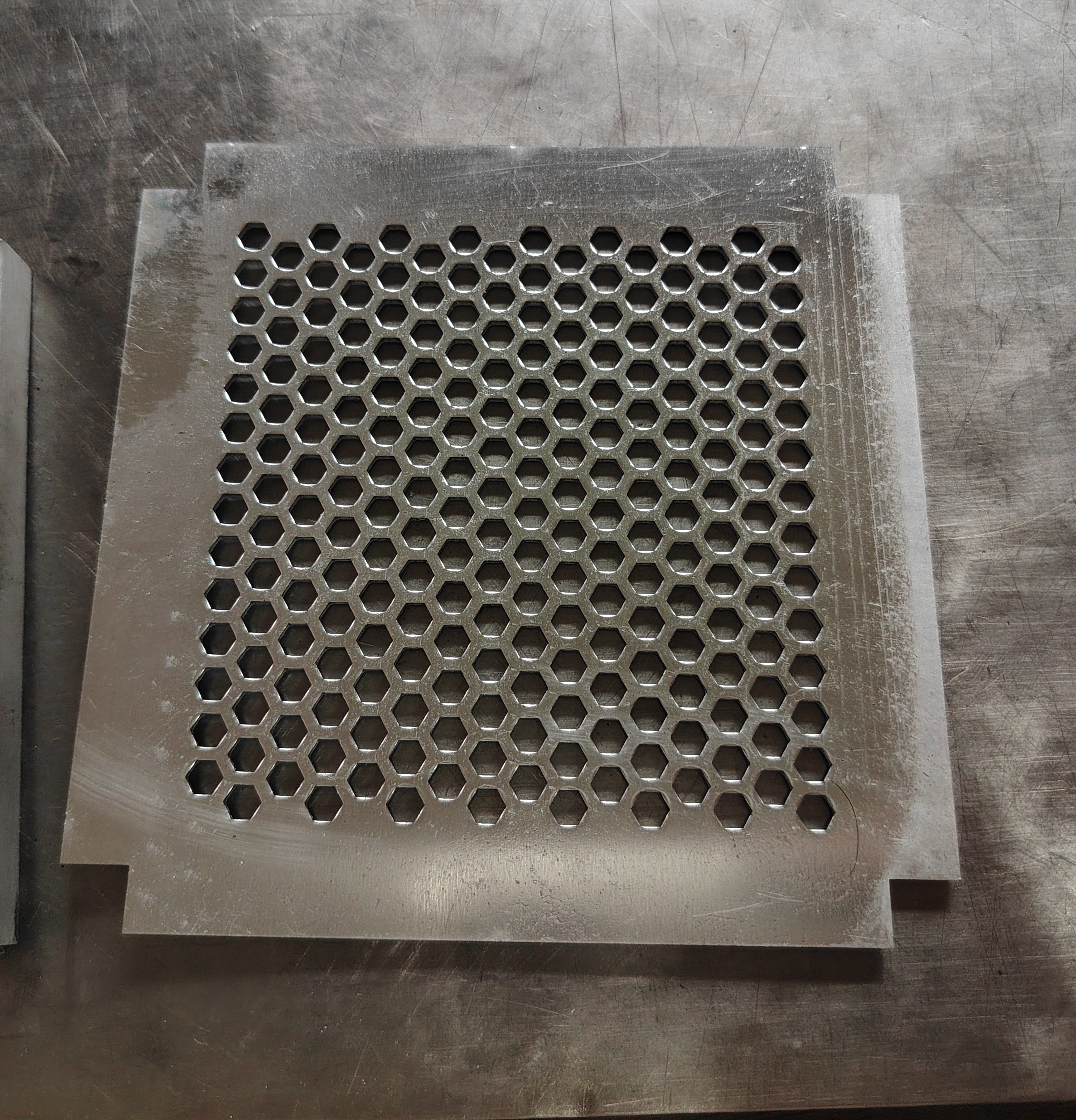
Features of Honeycomb Perforated Panels: Hexagonal Perforated Sheets VS Perforated Aluminum Honeycomb Composite Panels
Honeycomb perforated panels represent two distinct metal products frequently mixed up by specifiers: single-sheet hexagonal perforated panels and sandwich-style perforated aluminum honeycomb composite panels. One acoustic contractor once misselected standard single hexagonal punched sheets for an auditorium ceiling. After installation, the panels sagged over wide spans and failed reverberation testing due to the lack of resonant cavities. Our factory clarified the structural difference, switched to perforated aluminum honeycomb composite panels, produced pre-production samples and tuned the honeycomb core depth to hit acoustic targets. This guide covers application scenarios, specification parameters, design considerations, industry standards and real engineering cases. You can combine [Acoustic Perforated Panels](https://perforatedmetalpanel.com/acoustic-perforated-panels), [Decorative Perforated Panels](https://perforatedmetalpanel.com/decorative-perforated-panels) and [Anti-Slip Perforated Panels](https://perforatedmetalpanel.com/anti-slip-perforated-panels) for integrated building enclosure solutions.