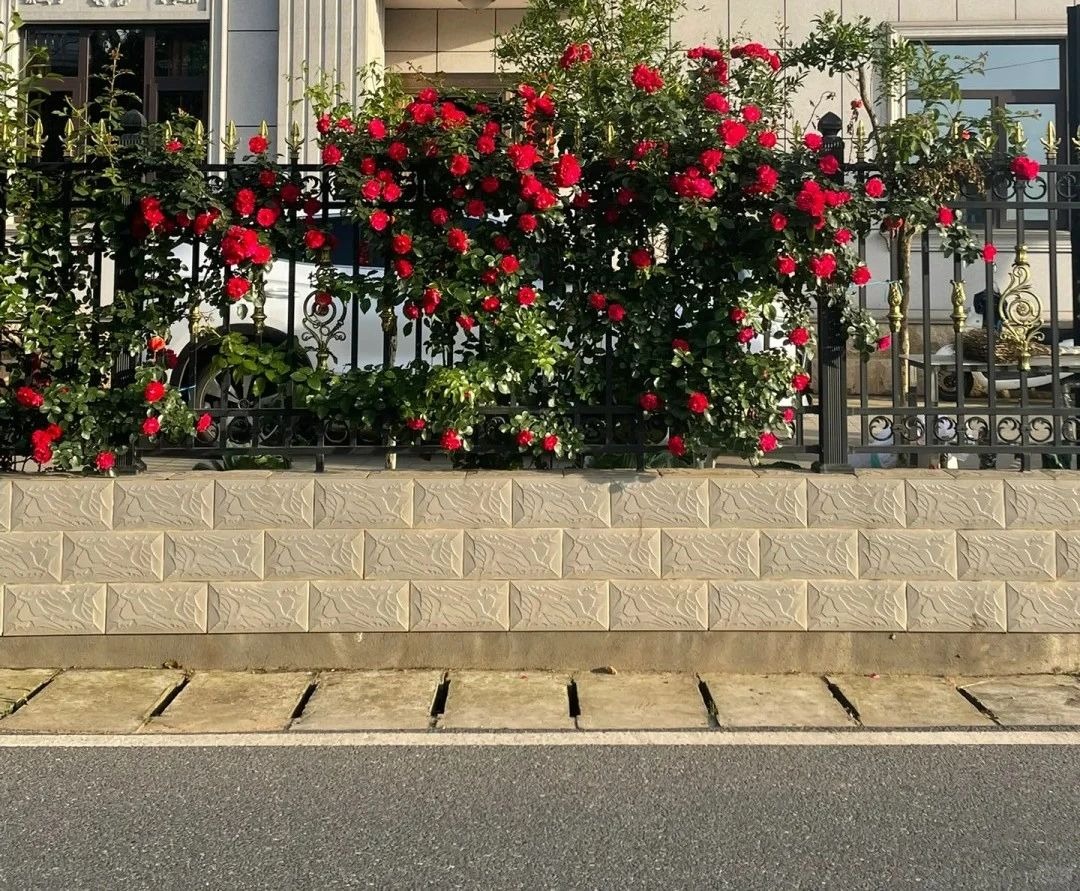





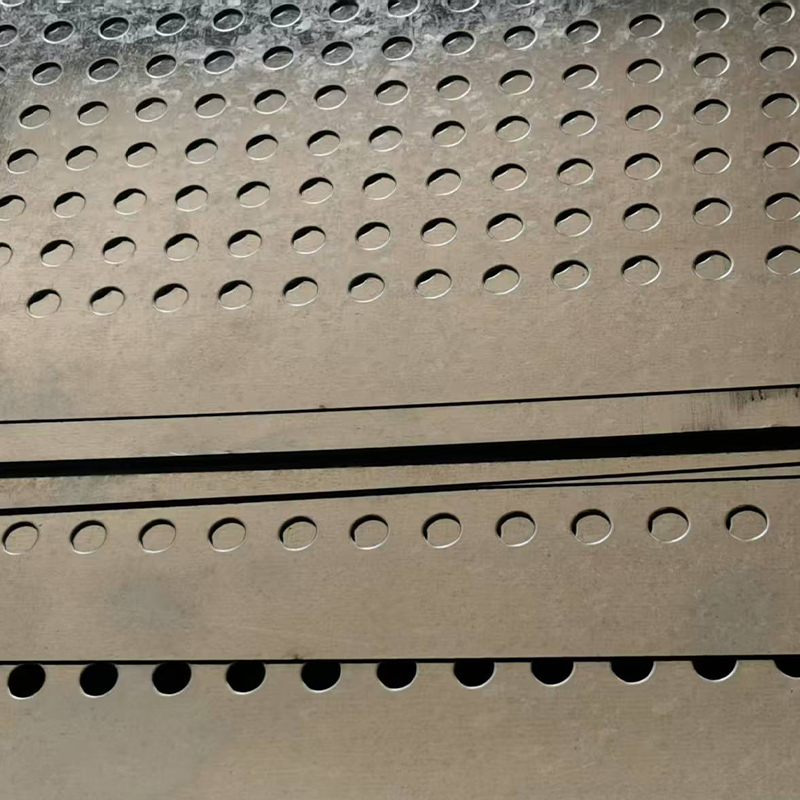

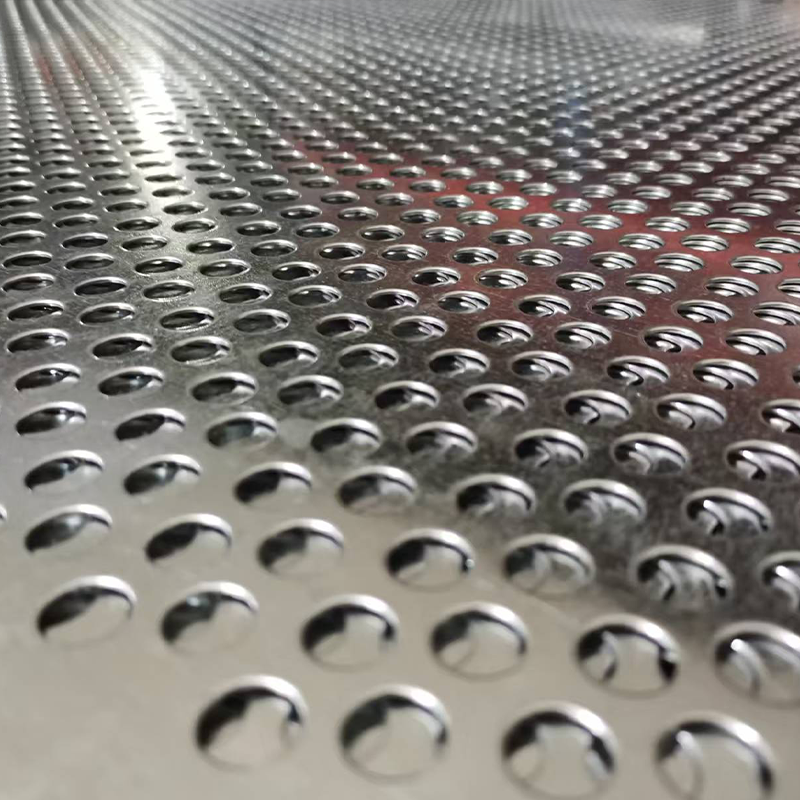
Hammer Mill Screens with Round Hole Perforation for Industrial Milling
Round hole perforated hammer mill screens are widely used in feed milling, biomass processing, recycling, aquaculture, and industrial grinding applications because of their high throughput, consistent particle size control, and long-lasting durability. This article explains the advantages, materials, perforation patterns, and industrial applications of perforated milling screens.
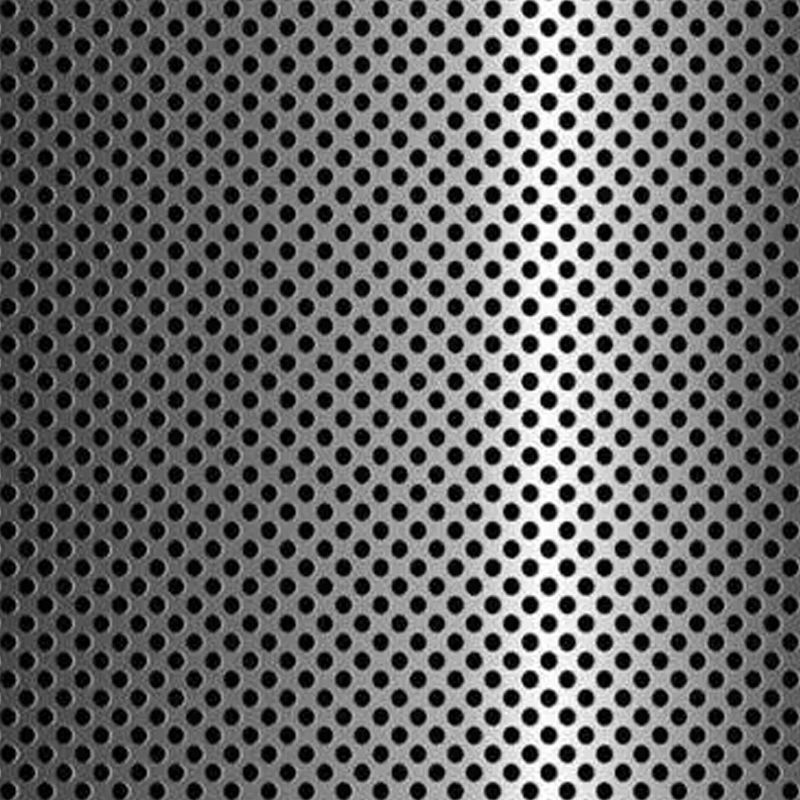
Hammer Mill Screens with Round Hole Perforation for Industrial Milling
Round hole perforated hammer mill screens are widely used in feed milling, biomass processing, recycling, aquaculture, and industrial grinding applications because of their high throughput, consistent particle size control, and long-lasting durability. This article explains the advantages, materials, perforation patterns, and industrial applications of perforated milling screens.
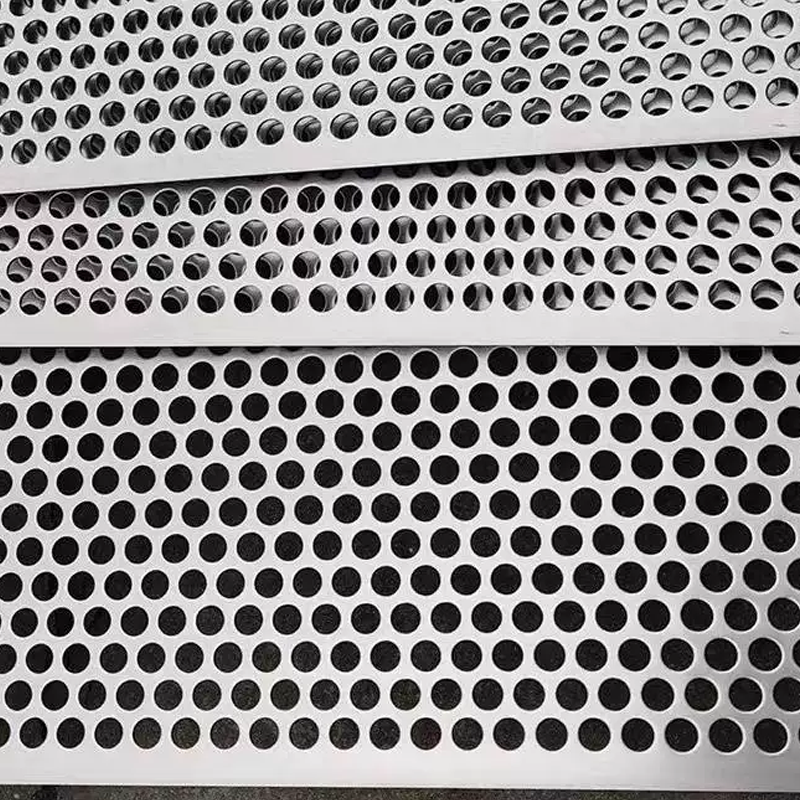
Decorative Metal Sheets & Panels for Architectural Design Applications
Decorative metal sheets and architectural metal panels combine aesthetics, durability, ventilation, and structural performance. This article explains perforated, expanded, woven, laser-cut, laser-engraved, and etched metal panels used in architecture, retail, industrial systems, and artistic installations.
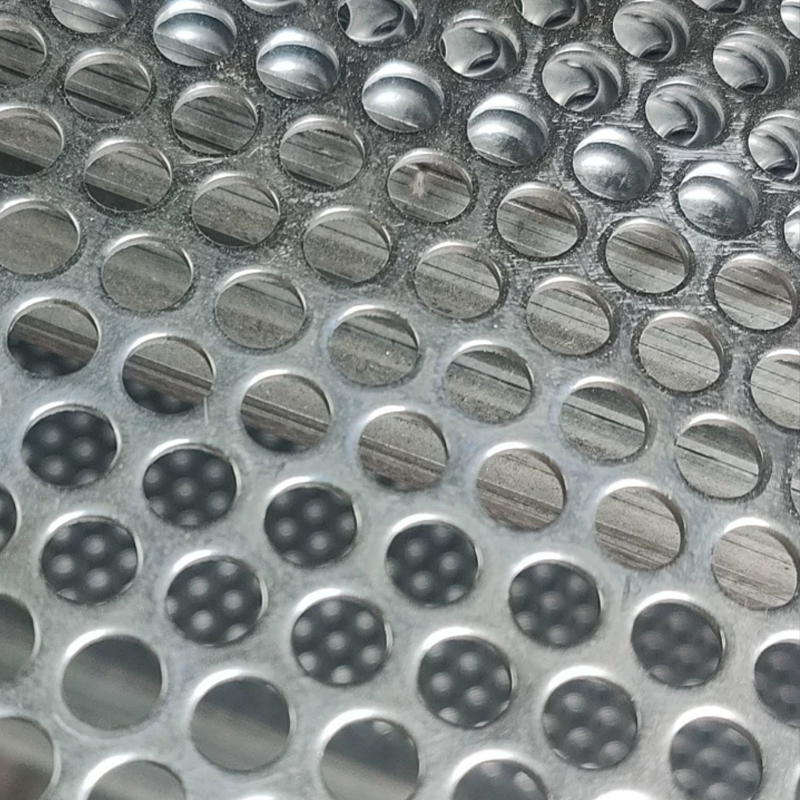
Decorative Aluminum Perforated Metal Sheet for Architectural Facades and Ventilation
Decorative aluminum perforated metal sheet is a modern architectural material widely used for facades, ceilings, curtain walls, ventilation systems and acoustic applications. With lightweight aluminum structure, customizable perforation patterns, sound absorption, sun shading and energy-saving performance, perforated metal sheets provide an ideal combination of aesthetics, durability and sustainability for commercial and industrial projects.
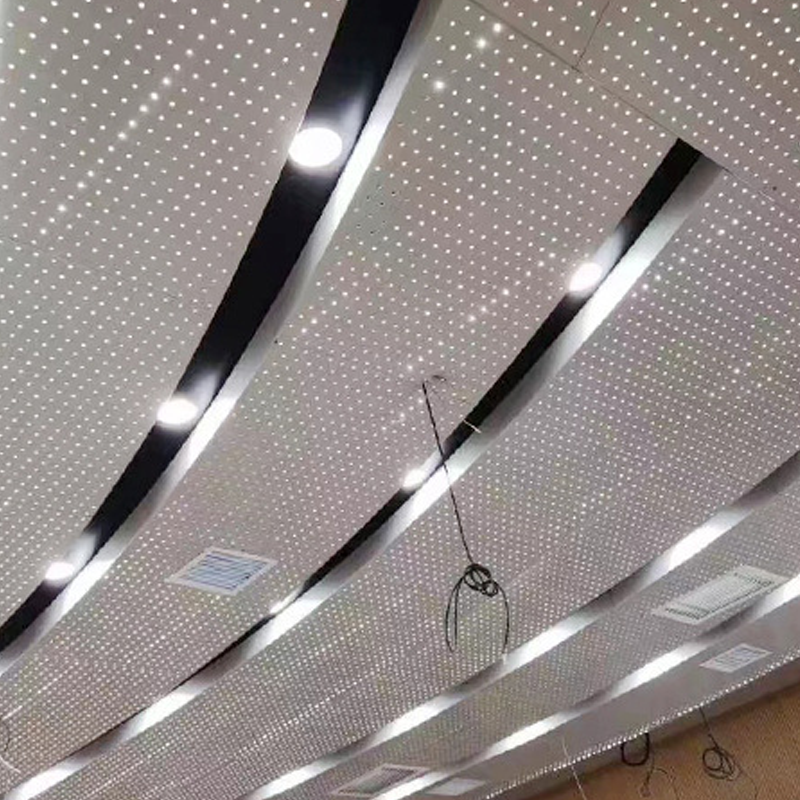
Decorative Punched Metal Sheets for Architecture, Interior Design and Industrial Applications
Decorative punched metal sheets are precision-perforated metal panels used for facades, ceilings, room dividers, wall panels, sunscreens, equipment enclosures and furniture decoration. With customizable hole patterns, controlled open area, durable materials and multiple surface finishes, punched metal sheets provide ventilation, daylight control, acoustic support, privacy, corrosion resistance and modern visual appeal for architectural, commercial and industrial projects.
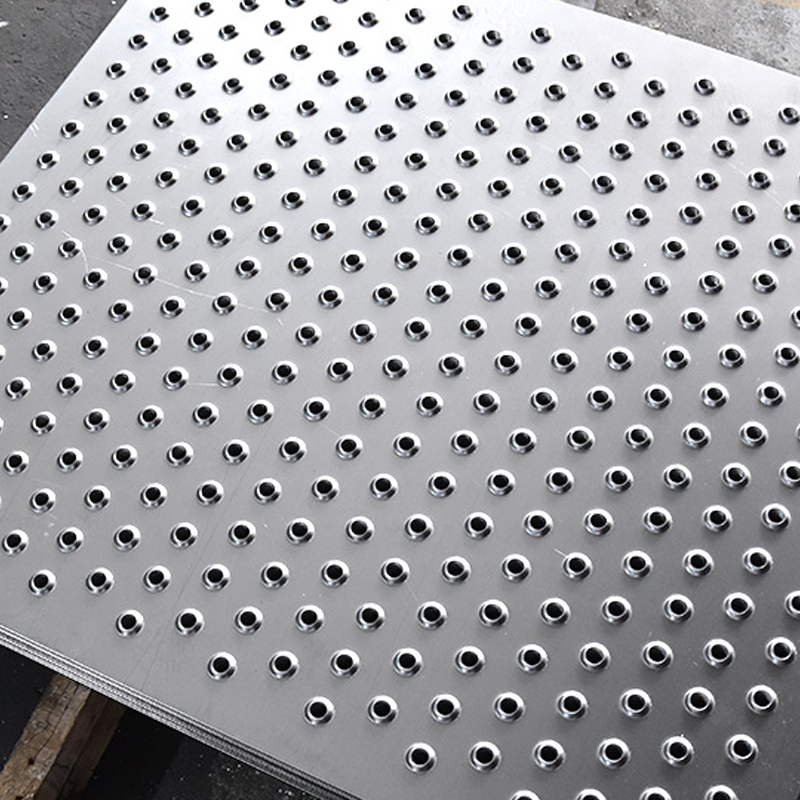
Stainless Steel Fisheye Sheet | Non Slip Perforated Plate for Industrial Flooring
Stainless steel fisheye sheet is a durable non slip perforated plate designed for industrial walkways, stair treads, marine decks, equipment pedals and platform flooring. Featuring raised fisheye perforations, corrosion-resistant stainless steel materials, efficient drainage and strong structural performance, it provides reliable anti-slip safety in wet, oily, dusty and outdoor environments.
Anti-Skid Walkway Safety Plate for Industrial Platforms, Stairs and Hazardous Work Areas
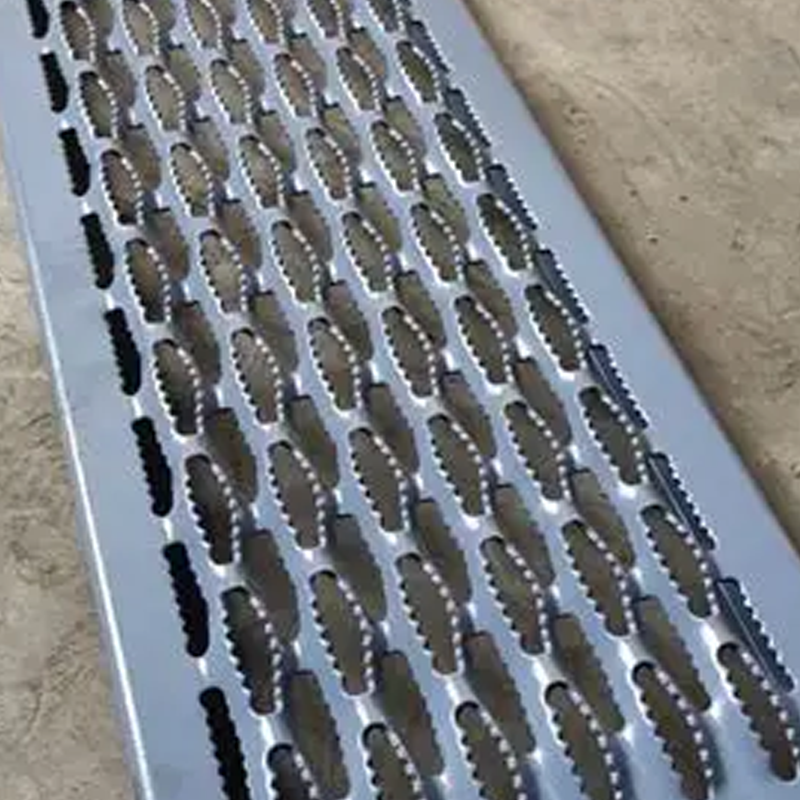
Anti-Skid Walkway Safety Plate is a durable industrial safety flooring solution designed for walkways, stair treads, equipment platforms, factory passages, petrochemical facilities, ship decks, power plants, warehouses and municipal engineering projects. Made from galvanized steel, stainless steel, aluminum or FRP, it provides excellent slip resistance, drainage, corrosion resistance and load-bearing performance. Its raised perforated, toothed, fish-eye or alligator-hole surface increases walking friction in wet, oily, snowy and corrosive environments, helping reduce slip and fall risks. OSHA walking-working surface standards and international workplace safety guidance emphasize the importance of safe walking surfaces, fall prevention and hazard control in industrial environments. This makes anti-skid walkway plates a practical choice for companies seeking safer, longer-lasting and lower-maintenance access systems.
How Coastal Climate Changes the Choice Between Aluminum and Stainless Steel Perforated Panels
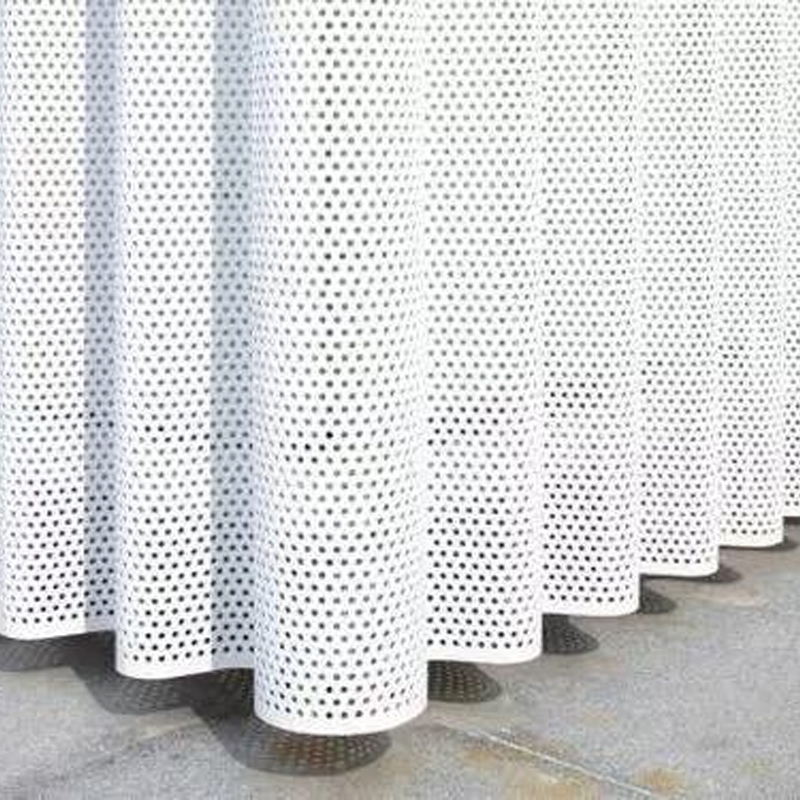
Coastal architectural projects place higher demands on perforated metal panels because salt air, humidity and moisture can affect long-term performance. This article explains how coastal exposure changes the material choice between aluminum and stainless steel perforated panels and why installation conditions, maintenance and lifecycle cost should all be considered before production.
Hexagonal Perforated Aluminum Panels: Why Honeycomb Holes Work Well in Modern Architecture
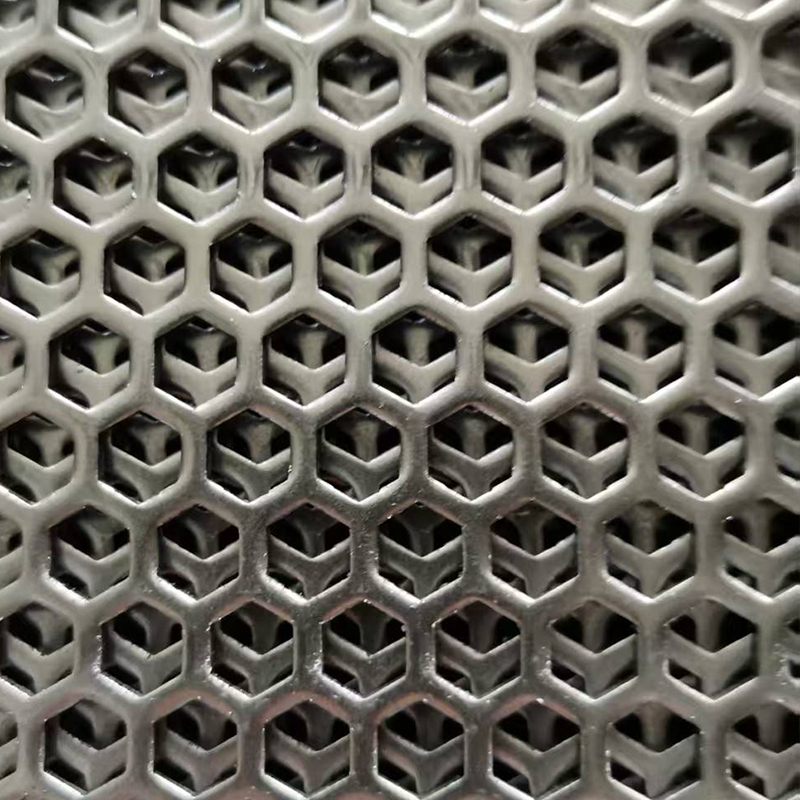
Hexagonal perforated aluminum panels combine lightweight performance, airflow and modern geometric texture for architectural applications. This article explains how honeycomb-style perforation improves visual effect, ventilation and panel efficiency while discussing coating systems, open area balance and outdoor architectural use.
How Open Area Changes Transparency in Architectural Perforated Metal Panels
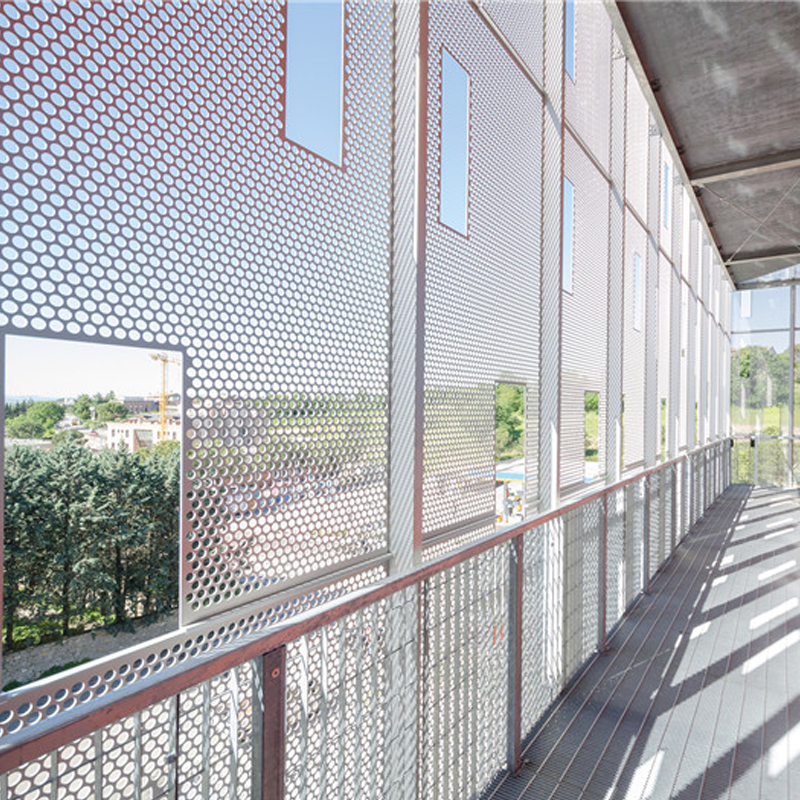
Open area in architectural perforated metal panels affects transparency, daylight, airflow and visual rhythm far beyond simple percentage values. This article explains how viewing distance, panel depth, backing shadows and facade geometry influence the real appearance and performance of perforated architectural screens.
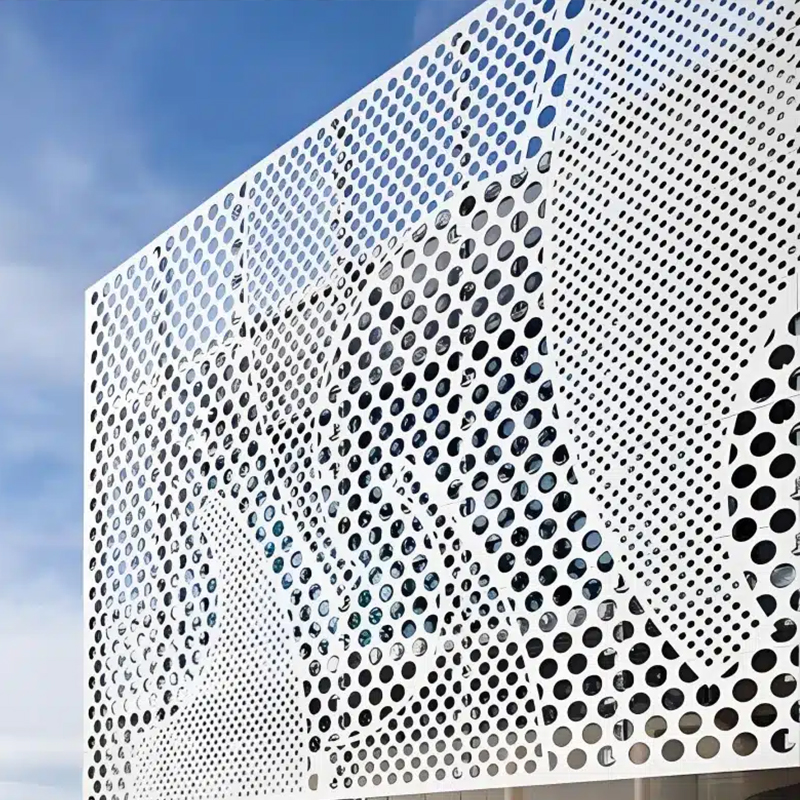
How Open Area Changes Transparency in Architectural Perforated Metal Panels
Architectural perforated metal panels are strongly influenced by open area, viewing distance and facade depth. This article explains how transparency, daylight, airflow and visual rhythm change according to perforation geometry and installation conditions.
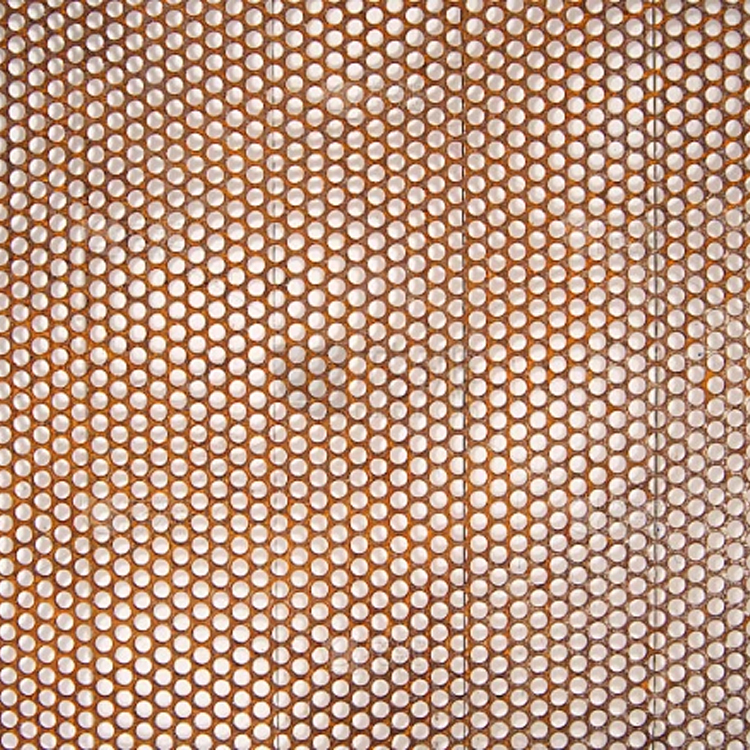
Perforated Copper Sheets, Copper Mesh Grilles & Decorative Copper Cladding Panels
Professional guide to perforated copper sheets, copper mesh grilles, and decorative copper cladding panels covering technical specifications, open area calculations, architectural applications, acoustic performance, fabrication technology, and corrosion resistance with clickable engineering reference links.
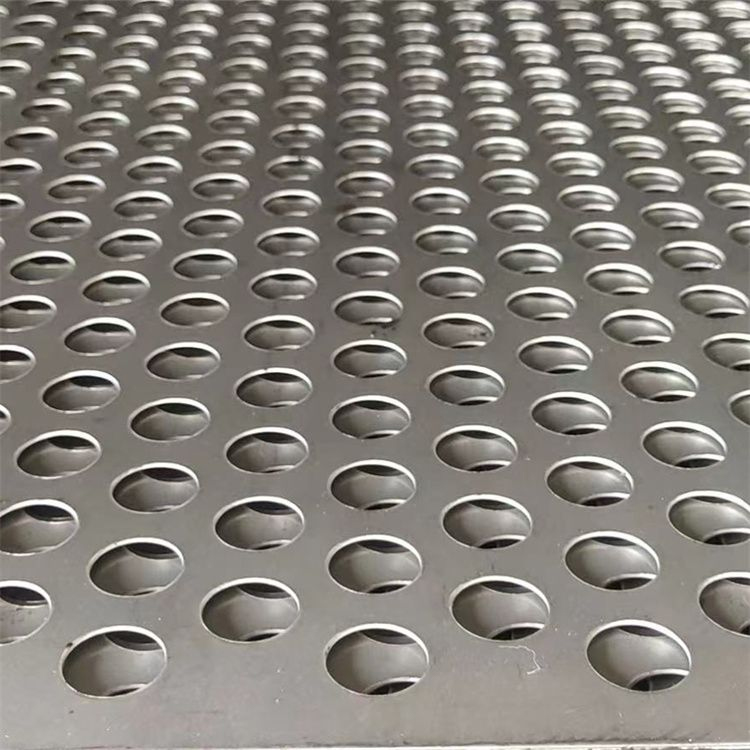
Round Hole Perforated Metal Sheet Specification Guide
Professional engineering guide covering round hole perforated metal sheet specifications, open area calculations, material thickness standards, airflow performance, architectural applications, and industrial screening selection methods with clickable technical reference links.
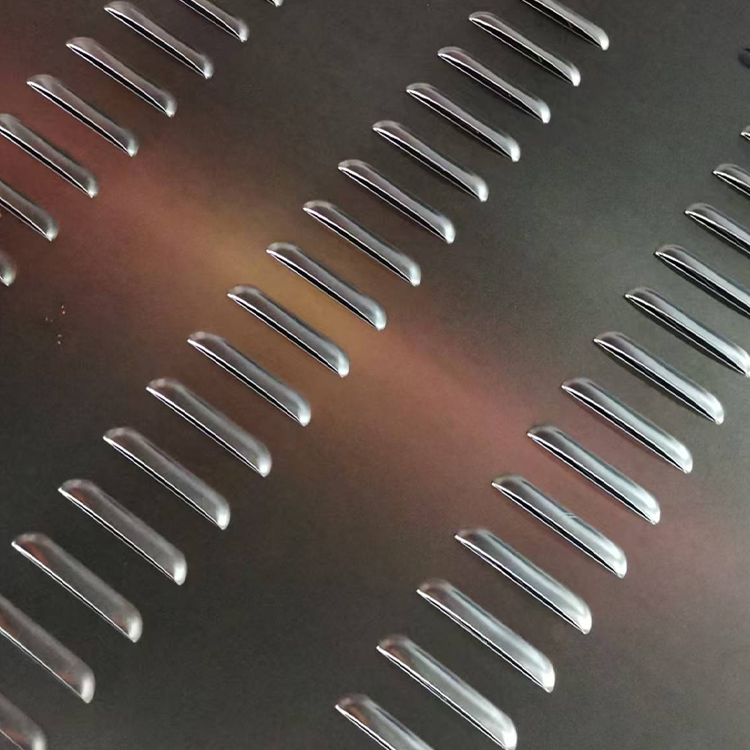
Perforated Louvers and Stainless Steel Perforated Metal for Ventilation, Screening and Industrial Strainers
Detailed guide to perforated louvers and stainless steel perforated metal sheets used in ventilation grilles, industrial strainers, vibrating screens, filtration systems and architectural applications. Includes technical specifications, open area design references and authoritative engineering links.
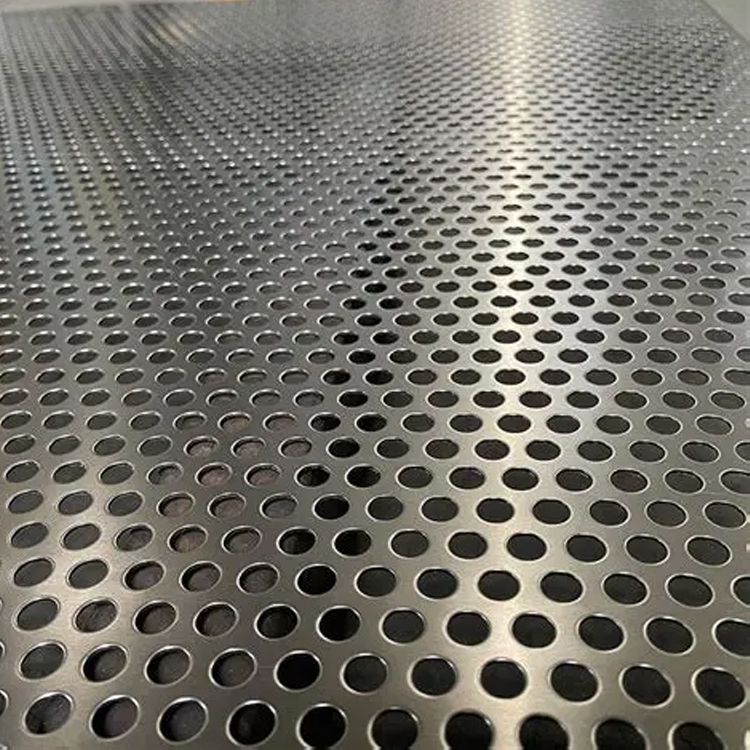
Round Hole Perforated Metal Sheets, Panels and Wire Mesh
Professional guide to round hole perforated metal sheets, panels and wire mesh in steel, stainless steel, galvanized steel, aluminum and brass. Covers open area design, 60-degree staggered patterns, filtration, ventilation, architectural applications and authoritative engineering references.
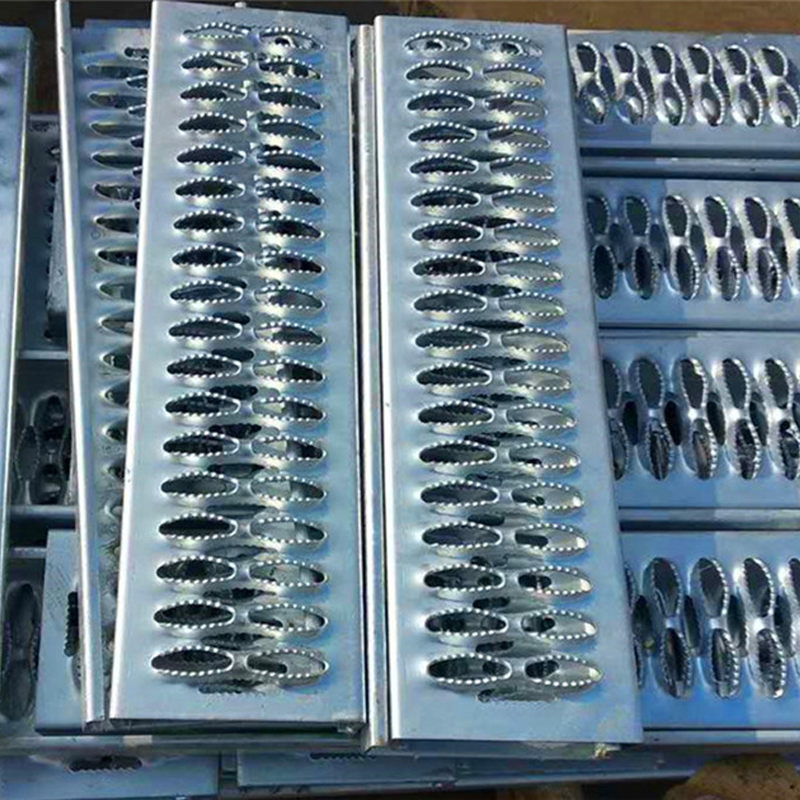
304 Stainless Steel Crocodile Mouth Anti Slip Perforated Plate for Industrial Walkways
304 stainless steel crocodile mouth anti slip perforated plate is designed for industrial walkways, stair treads, ramps, platforms, bridge walkways, workshops, warehouses, and wet or oily working areas. This optimized guide explains the product structure, material advantages, anti slip design, common specifications, installation methods, maintenance points, and safety-related selection considerations for buyers who need durable perforated metal safety flooring.
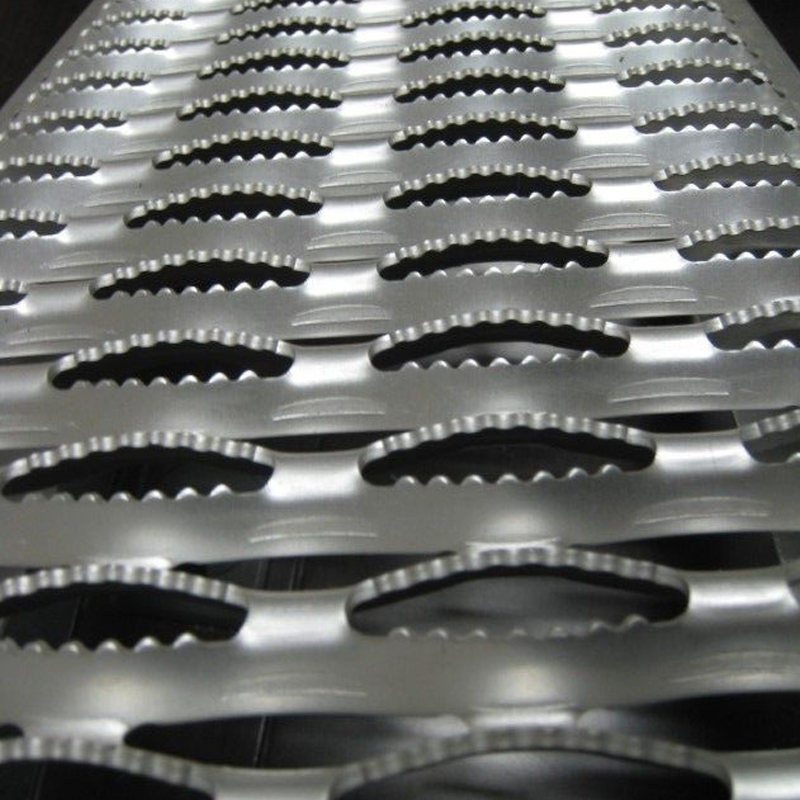
Grip Strut Walkway Gratings: Heavy-Duty Anti-Skid Plank Grating for Industrial Safety Access
Grip Strut walkway gratings provide an engineered anti-slip walking surface for process plants, refineries, grain elevators, conveyor routes, underbridge inspection walkways, paper mills, power plants, sewage treatment facilities, and other industrial access areas. This article explains product parameters, material options, diamond-hole configurations, span advantages, installation benefits, OSHA-related safety considerations, load-support planning, corrosion protection, maintenance practices, and application selection. It also introduces related product and service keywords for buyers seeking perforated metal safety grating, anti-skid stair treads, galvanized walkways, industrial platforms, and custom formed plank grating solutions.
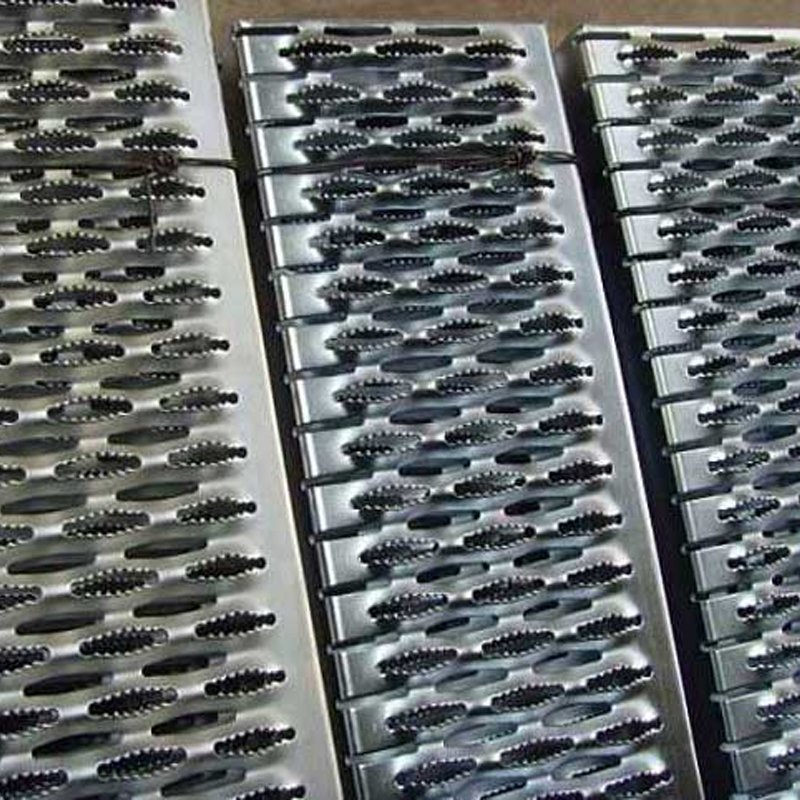
Aluminum Safety Grip Strut Grating Walkways for Industrial Anti Slip Safety
This expanded article explains aluminum safety Grip Strut grating walkways and crocodile mouth anti slip metal plates for industrial safety. It covers anti-slip surface logic, OSHA walking-working surface considerations, HSE slip prevention guidance, ASTM safe walking surface references, NIOSH fall prevention resources, galvanized steel durability information, aluminum advantages, material options, drainage, installation, maintenance, stair tread applications, sewage treatment plants, power plants, snowy outdoor areas, and buyer selection recommendations.
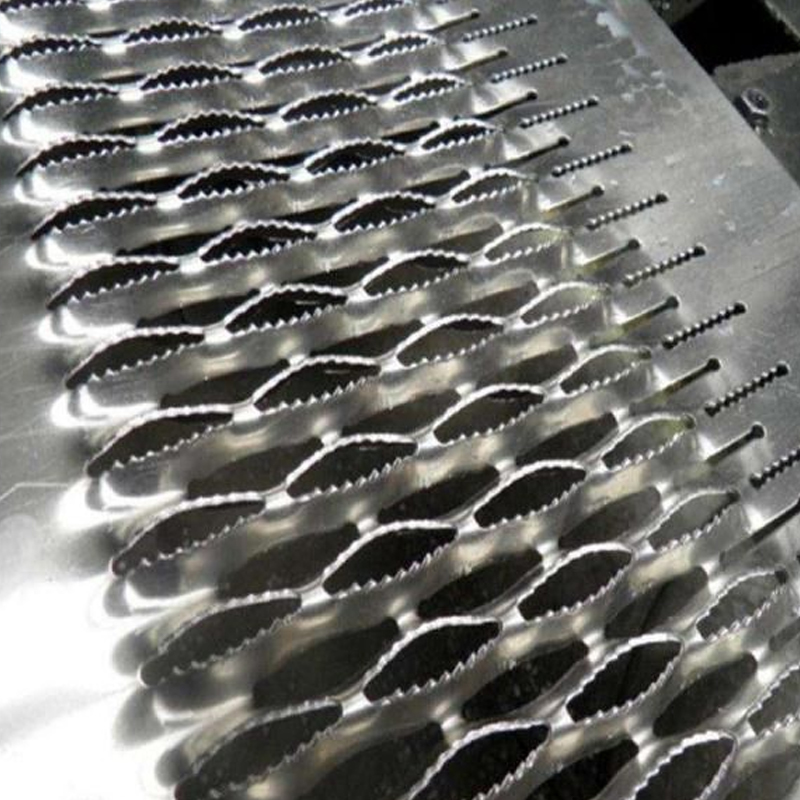
Grip Strut Walkway Gratings for Advanced Industrial Anti-Skid Safety Systems
This expanded engineering article explains Grip Strut walkway grating systems for industrial anti-skid platforms, catwalks, stair treads, bridge inspection routes, refinery access systems, and elevated maintenance walkways. The content includes OSHA, NIOSH, HSE, ASTM, ANSI, IBC, and American Galvanizers Association references, while covering engineering logic, structural considerations, load selection, corrosion resistance, drainage performance, maintenance, installation methods, and long-term industrial safety planning.
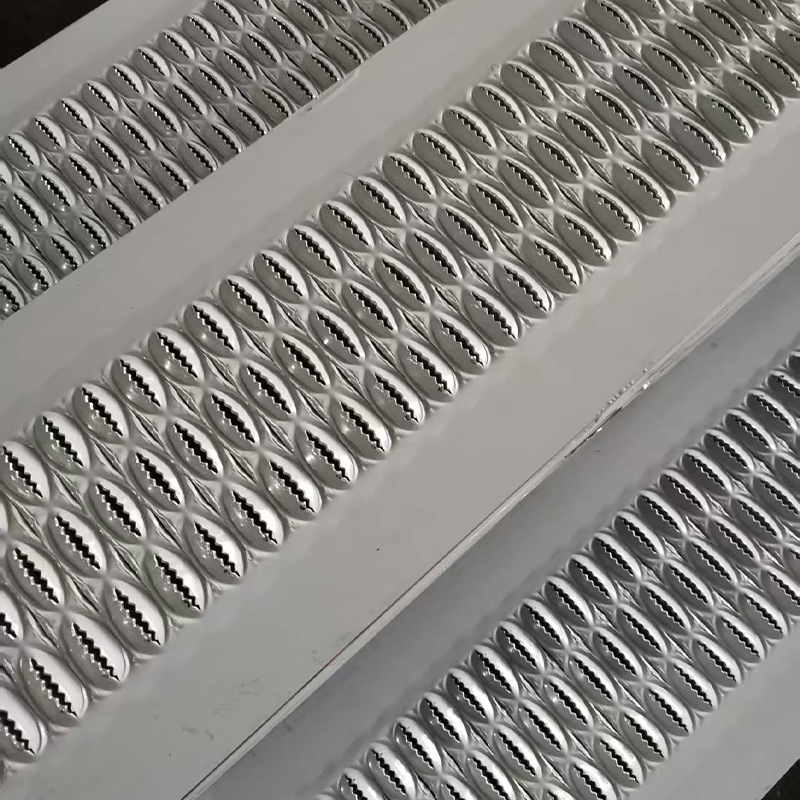
Crocodile Mouth Perforated Stair Anti Skid Plate
Crocodile Mouth Perforated Stair Anti Skid Plate is a heavy-duty metal safety plate used for stair treads, walkways, industrial platforms, ramps, workshops, transport facilities and public access areas. The raised crocodile-mouth perforated surface increases friction underfoot, improves drainage and helps reduce slipping risks in wet, oily, dusty or high-traffic environments. This anti skid plate can be produced from iron plate, galvanized steel plate, stainless steel plate or aluminum plate. With customizable thickness, hole pattern, width, length, surface treatment and edge processing, it is suitable for industrial plants, production workshops, machinery platforms, stairways, public facilities and interior safety flooring systems.