


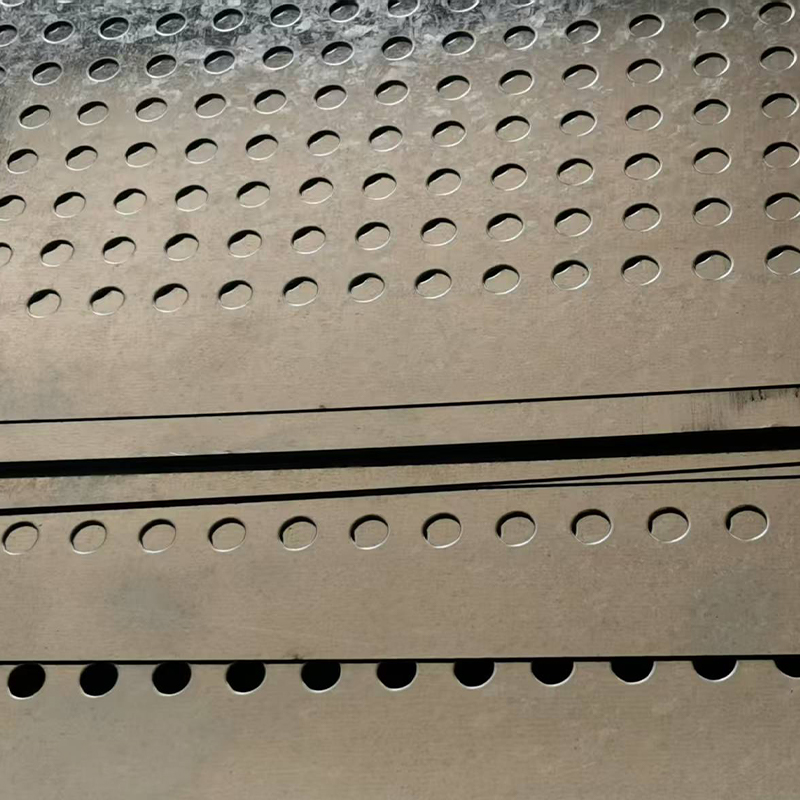


What to Check Before Using Powder-Coated Perforated Metal Panels for Building Facades
This article explains the critical checks required before specifying powder-coated perforated metal panels for exterior facades, including coating standards, gloss, edge coverage, environmental exposure and packaging considerations supported by authoritative references.

Aluminum or Stainless Steel: Which Perforated Metal Panel Is Better for Architectural Projects?
This article compares aluminum and stainless steel perforated metal panels for architectural applications, explaining how structural performance, corrosion resistance, fabrication, surface finish and life-cycle cost influence material selection with authoritative engineering references.

What Architects Should Confirm Before Ordering Perforated Metal Façade Panels
This article provides a practical checklist for architects and contractors before ordering perforated metal façade panels, covering engineering requirements, material selection, coating specifications, installation planning, and quality control with authoritative references.

Perforated Metal Mesh: Why One Sheet Can Solve Ventilation, Protection, Filtration, and Architectural Design Problems
This guide explains the engineering logic behind perforated metal mesh, showing how material selection, perforation geometry, open area and surface finishing work together to improve airflow, filtration, safety and architectural performance with authoritative references.

What Is Perforated Metal Sheet? Why Engineers Choose It Instead of Solid Metal
This article explains the engineering principles behind perforated metal sheets, showing how perforation geometry, material selection, open area and manufacturing quality work together to deliver ventilation, filtration, structural performance and architectural value.

Why Round Hole Perforated Stainless Steel Sheets Dominate the Global Market
Discover why round hole perforated stainless steel sheets are the preferred choice worldwide. Learn how hole geometry, material selection, and engineering principles influence strength, airflow, corrosion resistance, and manufacturing efficiency.
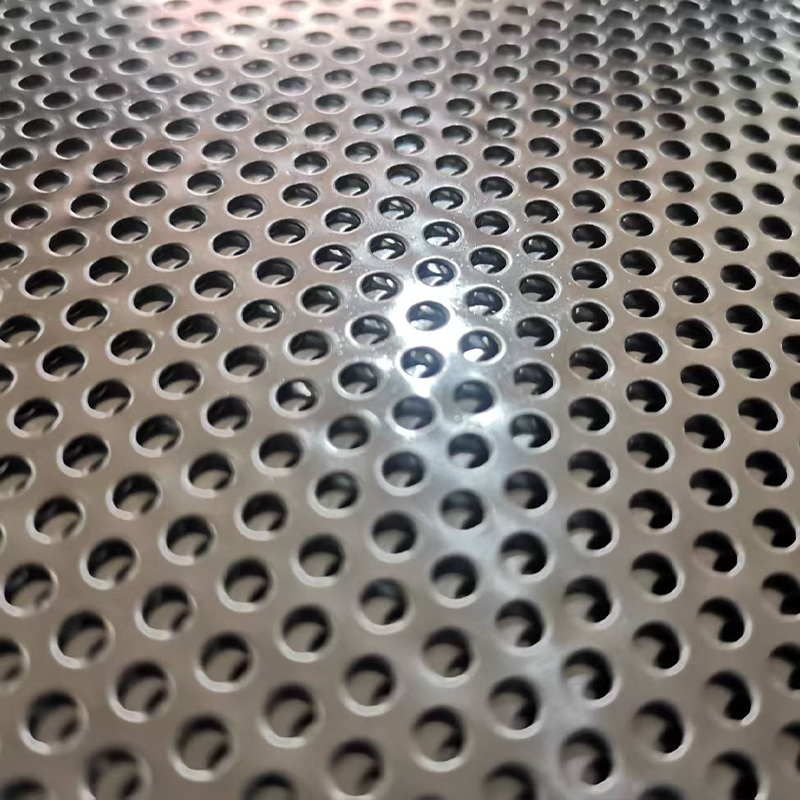
A comprehensive guide to Timberix perforated wood acoustic panels covering specifications, acoustic performance, sustainability, fire ratings, installation methods, maintenance recommendations, and architectural applications. Learn how perforated wooden wall and ceiling panels improve sound quality while enhancing interior aesthetics.
A comprehensive guide to Timberix perforated wood acoustic panels covering specifications, acoustic performance, sustainability, fire ratings, installation methods, maintenance recommendations, and architectural applications. Learn how perforated wooden wall and ceiling panels improve sound quality while enhancing interior aesthetics.

The Role of Micro Perforated Acoustic Panels in Auditoriums and Lecture Halls
This article explains the role of micro perforated acoustic panels in auditoriums and lecture halls, including acoustic principles, sound absorption benefits, design considerations, installation methods, maintenance guidance, and practical applications for education and performance spaces.
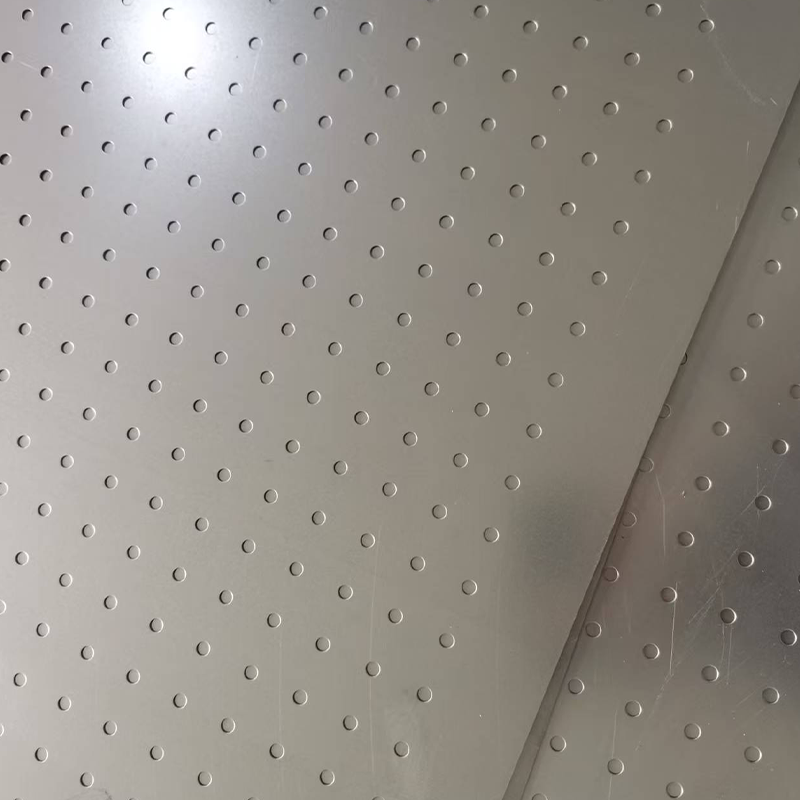
What Are Metal Acoustic Panels? Complete Guide to Sound Absorption, Materials and Applications
A comprehensive guide explaining what metal acoustic panels are, how they work, major materials, perforation designs, acoustic performance, applications, installation methods, maintenance requirements, and selection criteria for commercial, industrial, and public buildings.
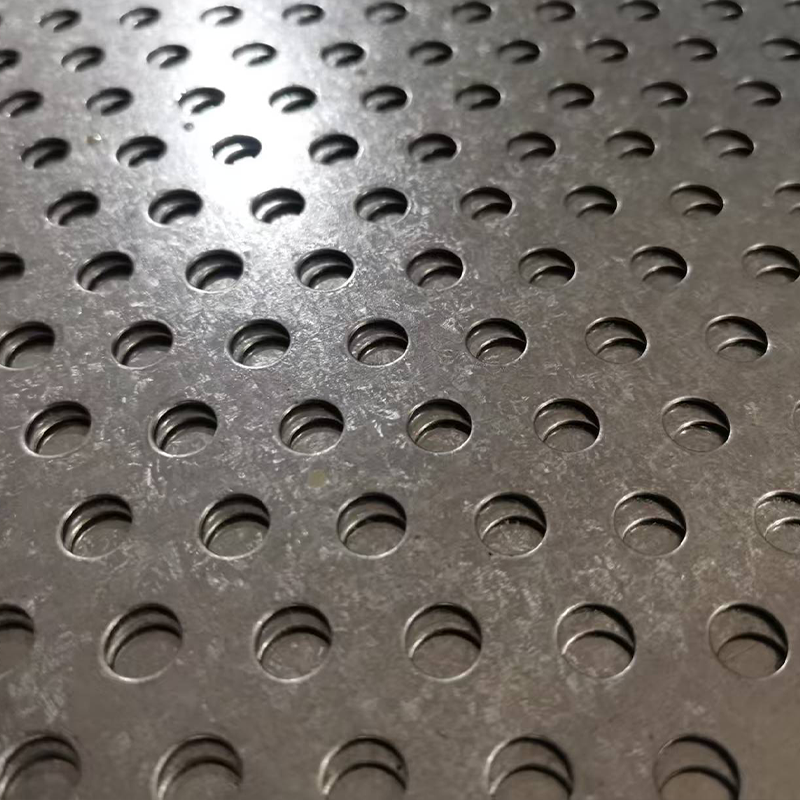
Metal-Based Acoustic, Thermal Insulation and Decorative Panels: Structure, Benefits and Applications
An in-depth guide to metal-based acoustic, thermal insulation and decorative panels, covering structural design, sound absorption principles, thermal performance, fire safety, indoor air quality, material selection, applications, installation methods and industry standards.

Advantages and Limitations of Perforated Metal Anti-Slip Pedals
Learn how perforated metal anti-slip pedals improve safety through enhanced traction, drainage, durability, and corrosion resistance while understanding their limitations and typical industrial applications.

What Are Dimpled Hole Metal Sheets and Where Are They Commonly Used?
Learn how dimpled hole metal sheets improve safety, drainage, and durability in industrial flooring, stair treads, warehouse platforms, trailers, and access systems.
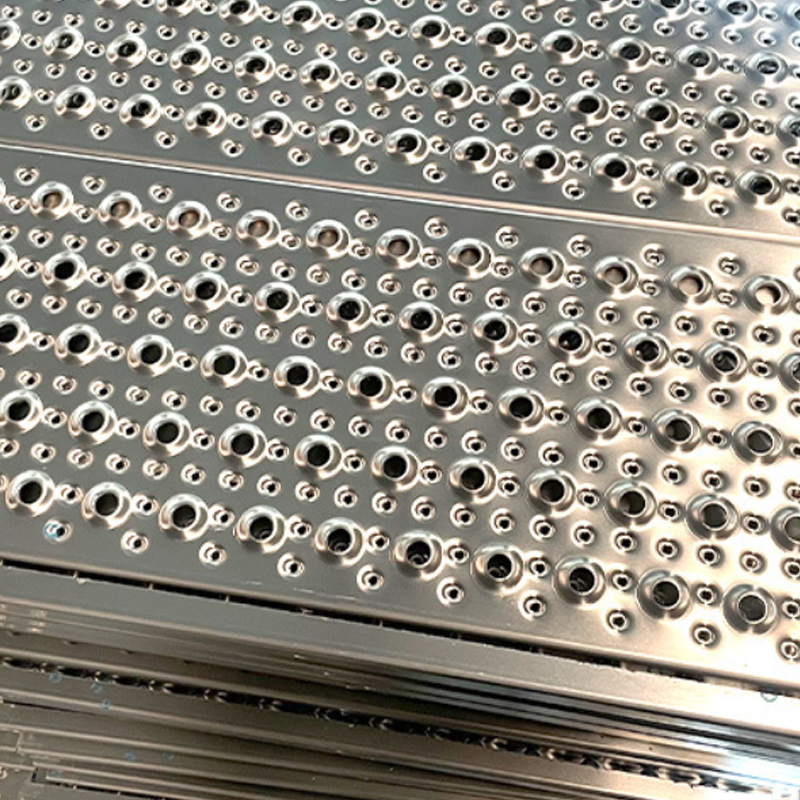
Understanding Round Hole Perforated Plates and Their Industrial Applications
Learn how round hole perforated plates are used in industrial flooring, acoustic panels, architectural screens, stair treads, and safety platforms, and understand how perforation patterns affect strength, drainage, and performance.
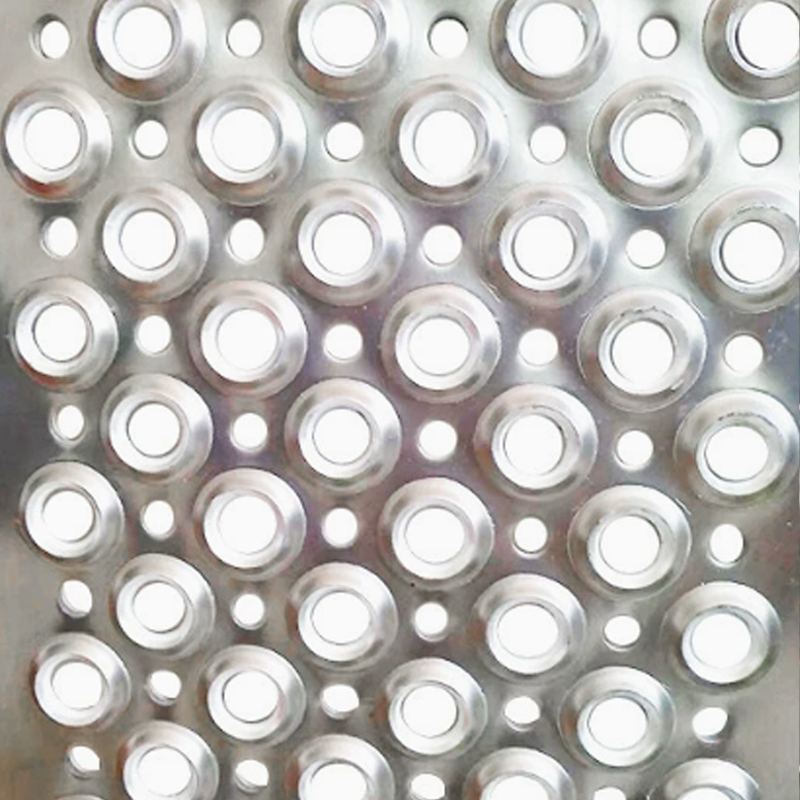
How to Choose the Right Checker Plate for Safety and Architectural Applications
Learn how checker plates, diamond plates, safety gratings, and serrated bar gratings are used to improve safety, durability, and appearance in industrial and architectural projects.

Material Grades and Specifications for Chequered Plates in Offshore, Plant and Vehicle Flooring
A specification-focused article for industrial chequered plate procurement, covering A36, ASTM A786, SS304, 6061 T6 aluminum, S355 J2, galvanized steel, marine aluminum and carbon manganese steel options for flooring, offshore decks, plant platforms, auto parts and shipbuilding applications.

Main Uses of Anti-Skid Plate: Specifications, Applications and Selection Guide for Industrial Safety Surfaces
Anti-skid plate is a practical safety material designed to improve traction and reduce slipping risks on stairs, ramps, platforms, walkways, trucks, construction machinery and high-traffic floors. This article explains its main uses, specification parameters, material choices, surface patterns, customization options and industrial application value for engineers, buyers, contractors and facility managers.

Aluminum Checker Plate for Vehicle Flooring, Marine Structures and Lightweight Fabrication
A detailed guide to Aluminum Checker Plate covering alloy selection, transportation flooring, marine applications, fabrication advantages, thickness selection and engineering considerations for lightweight anti-slip flooring systems.

Anti-Skid Plate Uses: Evidence-Based Guide to Specifications, Industrial Applications and Safe Surface Design
Anti-skid plate is widely used on stairs, ramps, platforms, walkways, trucks, construction machinery and high-traffic industrial floors. This article explains its uses, specification parameters, materials, surface design and selection logic, with supporting links embedded directly into the technical discussion rather than listed separately.

Metal and Profiled Surfaces Slip Resistance: Why Tested Anti-Skid Plate Matters for Wet and Contaminated Floors
Metal and profiled floors often look safe, durable and easy to clean, but many can become slippery when wet or contaminated. This article explains why tested anti-skid plate matters, how slip risk should be assessed, and how engineers can choose safer metal safety flooring for industrial and commercial applications.

How Anti-Skid Stair Treads Improve Safety in Industrial Platforms, Walkways and Access Systems
An engineering-focused guide explaining how anti-skid stair treads improve safety in industrial facilities, offshore structures, wastewater plants and access systems through enhanced traction, drainage and durability.