






Metal-Based Acoustic, Thermal Insulation and Decorative Panels: Structure, Benefits and Applications
Metal-Based Acoustic, Thermal Insulation and Decorative Panels: Structure, Benefits, Applications and Technical Guide
Metal-based acoustic, thermal insulation and decorative panels are composite building materials designed to solve three common problems at the same time: indoor noise, heat loss and surface decoration. They are especially useful in hospitals, airports, railway stations, shopping malls, offices, schools, factories and other busy places where people need a quieter, safer and more comfortable indoor environment.
In many buildings, traditional ceilings and curtain wall panels are made from aluminum sheets, gypsum boards or simple decorative boards combined with basic sound insulation materials. This type of structure is often not strong enough, not integrated enough and not durable enough for long-term use. Over time, thin panels may deform, warp, arch or even loosen from the installation system. This affects not only appearance, but also safety and maintenance cost.
A metal-based acoustic insulation decorative panel improves this situation by using a composite structure. It combines a perforated metal base plate, sound-absorbing non-woven layer, thermal insulation layer, protective metal layer and optional aluminum foil layer into one integrated panel system. This compact structure provides better stability, better acoustic control, improved heat preservation and longer service life.
Why Acoustic and Thermal Performance Matter in Buildings
Noise control is not only a comfort issue. The World Health Organization explains that excessive environmental noise can contribute to annoyance, sleep disturbance, hearing problems, hypertension and other health effects. This makes acoustic design important in hospitals, airports, schools, offices and other public buildings. More information can be found from the WHO guidance on environmental noise: WHO Environmental Noise Guidance.
At the same time, thermal insulation is important for energy efficiency. In cold regions, buildings need to reduce heat loss through walls, ceilings and curtain wall systems. In hot regions, insulation can also reduce heat transfer from outside to inside. ASHRAE Standard 90.1 is widely used as a reference for energy-efficient building design, showing that building envelope performance is a major part of energy control. Reference: ASHRAE Standard 90.1.
Basic Structure of Metal-Based Acoustic Insulation Decorative Panels
A typical metal-based acoustic insulation decorative panel includes several functional layers. Each layer has a specific purpose, and the performance comes from the cooperation of the complete structure.
1. Metal Base Plate
The metal base plate is the main structural layer of the panel. It is usually made from aluminum alloy, galvanized steel, stainless steel or another metal sheet. Aluminum alloy is often preferred because it is lightweight, corrosion-resistant, easy to process and stable after forming.
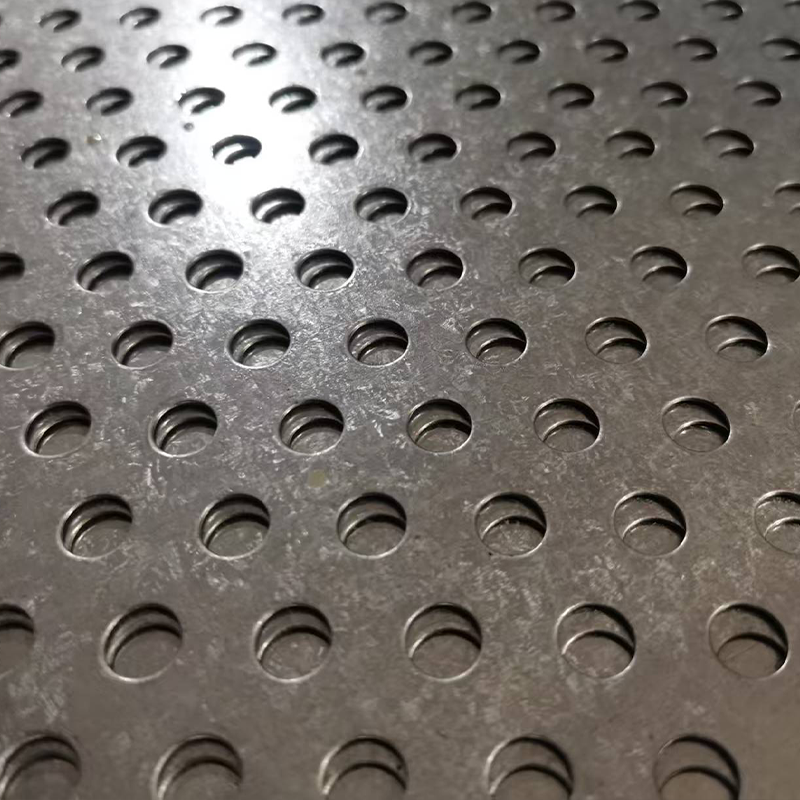
The metal base plate is usually perforated with rows of acoustic holes. These holes allow sound waves to enter the internal sound-absorbing structure. Without perforations, a metal sheet would mainly reflect sound. With properly designed perforations, the panel can reduce reflected noise and improve indoor acoustic comfort.
2. Metal Protective Layers
Protective layers can be applied to the upper and lower surfaces of the metal base plate. These layers help improve corrosion resistance, surface durability, fire performance and appearance. They also protect the panel during installation and long-term use.
3. Edge Frame
The four edges of the metal base plate may be designed with a frame structure. The frame helps improve rigidity and prevents deformation. It also provides space for fixing, sealing and connecting other functional layers.
4. Non-Woven Acoustic Layer
The non-woven acoustic layer is placed above the perforated metal base plate. When sound passes through the perforations, the non-woven layer helps absorb and weaken the sound energy. This layer also prevents dust or fibers from entering the holes and helps maintain a clean surface appearance.
5. Acoustic and Thermal Insulation Layer
The insulation layer may be made from fiberglass board, rock wool board, foam board or other fire-resistant acoustic insulation materials. This layer performs two functions. First, it reduces heat transfer. Second, it further absorbs sound energy after the sound passes through the perforated metal surface and non-woven layer.
For acoustic products used in buildings, sound absorption performance should ideally be evaluated through recognized testing and rating methods. ISO 11654 provides a rating method for sound absorbers used in buildings, which supports the use of measurable acoustic data rather than only visual judgment. Reference: ISO 11654 Sound Absorbers for Buildings.
6. Optional Aluminum Foil Layer
An aluminum foil layer may be added above the insulation layer. Aluminum foil has a smooth surface and can reflect radiant heat. It may also help improve the overall barrier effect of the panel. In thermal insulation design, reflective surfaces are often used to reduce radiant heat transfer when installed with suitable air spaces.
How the Panel Absorbs Sound
The sound absorption process can be explained in simple steps. First, sound waves reach the perforated metal surface. Second, part of the sound enters the holes. Third, the sound passes through the non-woven layer and reaches the insulation layer. During this process, the sound wave is repeatedly reflected, scattered and weakened inside the cavity and porous material.
The internal air cavity is also important. If the non-woven acoustic layer and insulation layer form columns or wave-shaped cavities, the sound path becomes longer. The sound wave reflects multiple times inside the structure, which helps reduce noise more effectively.
This principle is consistent with general acoustic engineering practice. ISO classifies acoustics and acoustic measurement as a professional technical field, including acoustic measurements, noise control and building acoustics. Reference: ISO Acoustics and Acoustic Measurement.
How the Panel Improves Thermal Insulation
The insulation layer reduces heat transfer through the panel. Materials such as rock wool, fiberglass and foam insulation contain many small air spaces. These air spaces slow down heat movement and help keep indoor temperatures more stable.
In northern regions or heated buildings, this can reduce heat loss during winter. In air-conditioned buildings, insulation can also reduce heat gain from outside. Better thermal performance supports energy saving, lower operating cost and improved indoor comfort.
Wave-Shaped Insulation Structure
The acoustic insulation layer may be flat or designed as a continuous curved wave structure. A wave-shaped structure creates natural curved cavities between the non-woven acoustic layer and the insulation layer. These cavities help sound waves reflect several times before they are fully dissipated.
This design also helps reduce heat transfer because the curved air cavities interrupt direct heat movement. In addition, the wave structure can improve bonding strength between layers and reduce the risk of separation.
For example, the insulation layer thickness may be designed at 1 mm to 2 mm. The chord length of each wave unit may be 30 mm to 40 mm, and the wave height may be 4 mm to 5 mm. A small connecting flange may be added between wave units to connect with the non-woven layer. This type of structure balances weight, strength, acoustic effect, thermal insulation and manufacturing cost.
Recommended Materials
Aluminum Alloy
Aluminum alloy is lightweight, stable and corrosion-resistant. It does not need chemical anti-insect treatment, and it does not easily release harmful gases when used indoors. It is also suitable for fire-resistant and moisture-resistant decorative panels.
Rock Wool Board
Rock wool is commonly used for thermal insulation and acoustic absorption. It also has strong fire resistance, making it suitable for public buildings and high-safety environments.
Fiberglass Board
Fiberglass board is lightweight and provides good sound absorption and thermal insulation performance. It is often used in ceilings, wall systems and HVAC-related acoustic structures.
Foam Insulation Board
Foam boards can provide good thermal insulation with low weight. However, fire performance must be carefully checked before use in public buildings.
Fire Safety Considerations
Fire safety is one of the most important requirements for building materials, especially in hospitals, airports, schools and large public spaces. Metal surfaces can provide good non-combustible characteristics, but the complete panel system must be evaluated as a whole, including insulation, adhesive, backing and surface coating.
EN 13501 is a commonly referenced European classification system for the fire performance of construction products and building elements. When selecting acoustic insulation decorative panels, buyers should check whether the full system has suitable fire classification for the project. Reference: BSI EN 13501 Fire Classification.
Indoor Air Quality and Material Safety
Indoor material safety is especially important in hospitals, schools, offices and homes. Some building materials, coatings or adhesives may release volatile organic compounds. The US EPA explains that VOCs can be emitted from many solids and liquids, and some may have short-term or long-term health effects. Reference: EPA Information on VOCs and Indoor Air Quality.
Compared with some traditional decorative boards that may require chemical treatment, aluminum alloy and other metal-based materials can reduce the need for insect-proof chemical soaking. This helps improve indoor air safety and supports healthier building design.
Main Advantages of Metal-Based Acoustic Insulation Decorative Panels
- Better sound absorption: perforated metal, non-woven acoustic layer and insulation material work together to reduce noise.
- Improved thermal insulation: the internal insulation layer reduces heat transfer and supports energy efficiency.
- Stable structure: the metal base plate and composite layers reduce warping, arching and deformation.
- Good fire performance: metal surfaces and fire-resistant insulation materials can improve safety.
- Moisture resistance: suitable for areas where humidity may affect gypsum or wood-based materials.
- Insect resistance: metal materials do not require anti-insect chemical soaking.
- Clean appearance: hidden fasteners, frames and installation holes help maintain a neat surface.
- Long service life: the composite structure is stronger and more durable than loose material combinations.
- Environmental value: longer life and recyclable metal materials help reduce resource waste.
Applications
Hospitals
Hospitals need quiet and comfortable interiors. Excessive noise can affect patients, doctors and visitors. Metal-based acoustic insulation decorative panels can be used in corridors, waiting areas, lobbies and ceilings to reduce noise and improve comfort.
Airports and Railway Stations
Airports and stations have large open spaces, hard surfaces and heavy passenger flow. Acoustic panels help reduce echo and improve announcement clarity. Metal-based panels are suitable because they are strong, durable and easy to clean.
Office Buildings
Open offices, meeting rooms and reception areas need good acoustic comfort. These panels can reduce reflected sound while providing a modern decorative finish.
Schools and Universities
Classrooms, lecture halls and libraries require clear speech. Acoustic insulation decorative panels help reduce reverberation and create better learning conditions.
Commercial Buildings
Shopping malls, hotels and restaurants often have noise from people, music, equipment and hard surfaces. Metal-based acoustic panels help improve customer experience while maintaining a refined interior appearance.
Installation Design
The metal base plate may include windproof buckles and installation holes. This makes installation faster and more stable. Hidden fixing systems also avoid visible screw marks on the decorative surface.
Before installation, the wall or ceiling structure should be checked for strength and flatness. Panels should be aligned properly, and joints should be controlled to maintain a clean appearance. In ceiling systems, wind resistance and vibration resistance should also be considered.
Maintenance
Metal-based acoustic insulation decorative panels are easier to maintain than many traditional porous surface materials. The surface can usually be cleaned with a soft cloth or mild cleaning method. Regular inspection should include panel flatness, joint condition, fasteners, edge frames and surface coating.
If used in hospitals, stations or other high-traffic spaces, maintenance should be scheduled regularly to ensure long-term appearance, safety and acoustic performance.
Comparison with Traditional Ceiling and Curtain Wall Panels
Traditional aluminum panels or gypsum boards often require separate sound insulation materials. This may create a loose structure, uneven performance and higher risk of deformation. A metal-based composite acoustic insulation decorative panel integrates the acoustic layer, insulation layer and decorative metal surface into one system.
This integrated approach improves stability and reduces the risk of warping. It also helps installation teams work faster because the panel already includes multiple functions. For projects that require noise control, thermal insulation, fire safety and decorative appearance at the same time, this type of composite panel offers clear practical value.
Conclusion
Metal-based acoustic, thermal insulation and decorative panels provide a practical solution for modern buildings that need sound control, heat preservation, structural stability and clean appearance. Their multi-layer composite structure solves many weaknesses of traditional thin metal panels and gypsum boards, including poor sound absorption, weak insulation, deformation risk and short service life.
By combining perforated metal, non-woven acoustic material, insulation board, protective layers, optional aluminum foil and stable installation components, the panel can improve indoor comfort and building performance. It is especially suitable for hospitals, airports, offices, schools, commercial buildings and other crowded or noisy environments.
SEO Keywords: metal acoustic insulation decorative panel, metal-based acoustic panel, thermal insulation acoustic panel, perforated metal acoustic panel, metal sound absorbing panel, aluminum acoustic insulation panel, composite acoustic panel, decorative acoustic wall panel, acoustic ceiling panel, hospital acoustic panel, airport acoustic panel, fire resistant acoustic panel, rock wool acoustic panel, fiberglass acoustic panel, aluminum foil insulation panel, sound absorbing decorative panel, building acoustic material, thermal insulation decorative board, metal ceiling panel, metal curtain wall acoustic panel, anti-deformation acoustic panel, noise reduction building panel, acoustic insulation material, public building acoustic panel, energy saving decorative panel, perforated aluminum acoustic panel, non-woven acoustic layer, wave structure acoustic panel, composite metal panel, acoustic thermal insulation board