





How to Choose a Fence Mesh
How to Choose a Fence Mesh: A Comprehensive Guide for International Trade
Choosing a fence mesh requires considering the application scenario, protection needs, environmental conditions, and cost budget. The core focuses on four key dimensions: material, structural process, specification parameters, and scenario adaptability, while balancing practicality, durability, and compliance. Below is a comprehensive selection guide suitable for international trade scenarios, which is concise, easy to understand, and aligned with global universal standards:
I. First, Clarify the Core Application Scenario (Prioritize High-Frequency International Trade Scenarios)
Different scenarios have vastly different requirements for the protection level, size, and appearance of fence mesh. Defining the scenario first can avoid selection deviations:
Industrial Plants/Warehouses: Focus on anti-climbing and impact resistance, while ensuring equipment protection and personnel safety. Prioritize welding-type fence mesh with a sturdy structure.
Road/Municipal Fences: Focus on traffic diversion and warning, requiring collision resistance and easy installation. Choose lightweight and corrosion-resistant woven or expanded fence mesh.
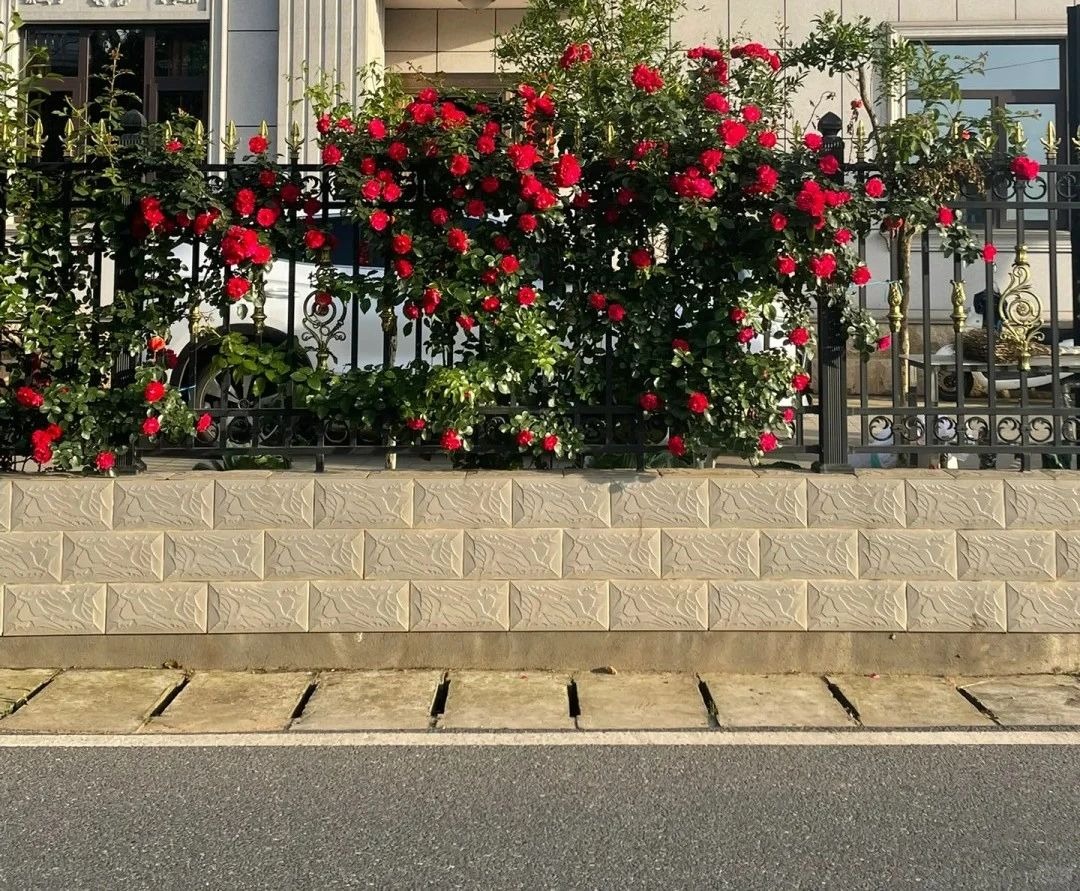
Residential Areas/Villas: Balance aesthetics and safety. Select welding or woven mesh with a simple design, while considering privacy protection.
Mines/Construction Sites: Focus on wear resistance and abrasion resistance. Choose high-strength materials suitable for complex outdoor working conditions.
Airports/Ports: Require a high level of protection, including anti-climbing and anti-overturning features. Select specialized fence mesh with dense mesh and a high-strength structure.
II. Core Selection Dimensions (Aligned with Global Universal Standards)
1. Material Selection (Determines Durability, Adapts to Different Climatic Environments)
Material is the key to the service life of fence mesh. It should be selected based on the climate of the use area (high temperature, high humidity, saline-alkali land, etc.). Common materials for international trade are divided into 3 categories:
Ordinary Carbon Steel: Low cost and moderate tensile strength, suitable for general protection in indoor or dry areas (such as indoor warehouse partitioning). Surface anti-rust treatment (galvanizing, powder coating) is required to avoid oxidation and rust.
Stainless Steel (304, 316 Grades): Excellent corrosion resistance and wear resistance, suitable for coastal areas, high-humidity regions, and saline-alkali areas (such as ports and coastal industrial plants). Its service life is 2-3 times that of ordinary carbon steel wire mesh, requiring no frequent maintenance.
Special Alloys (High Manganese Steel, Aluminum Alloy): High manganese steel focuses on impact resistance and wear resistance, suitable for high-wear scenarios such as mines and construction sites; aluminum alloy is lightweight and aesthetically pleasing, suitable for high-end municipal and villa scenarios, and easy to transport and install.
2. Structural and Process Selection (Determines Protection Performance and Installation Efficiency)
Mainstream processes for international trade fence mesh are divided into 4 categories, which can be matched to scenarios as needed:
Welded Mesh: Sturdy structure and strong integrity, with a flat and non-deformable mesh surface. Suitable for industrial plants, residential areas, and road fences. Easy to install and customizable in size.
Woven Mesh (Plain Weave, Twill Weave): Good air permeability and flexibility, suitable for temporary protection (temporary construction site fencing) and general isolation. Low cost and flexible to cut.
Expanded Mesh: Uniform pore size and high compressive strength, with good wind resistance. Suitable for municipal roads and airport fences, with better impact resistance than woven mesh.
Punched Mesh: Can be customized with different pore shapes, combining protection and decoration. Suitable for high-end villas and commercial parks, with a clean and aesthetic appearance.
3. Additional Notes (Adapted to International Trade Procurement Needs)
The core logic for choosing fence mesh is: first define the scenario → then select the material → match the structural process → confirm the specification parameters. By balancing durability, compliance, and cost, you can accurately meet your needs.
Tags: