






A comprehensive guide to Timberix perforated wood acoustic panels covering specifications, acoustic performance, sustainability, fire ratings, installation methods, maintenance recommendations, and architectural applications. Learn how perforated wooden wall and ceiling panels improve sound quality while enhancing interior aesthetics.
Timberix™ Perforated Wood Acoustic Panels: Complete Guide to Specifications, Applications, Installation, and Acoustic Performance
Perforated wood acoustic panels have become one of the most widely used interior acoustic solutions in modern architecture. From auditoriums and conference rooms to offices, schools, hotels, libraries, and commercial buildings, these panels help improve sound quality while creating a warm and natural aesthetic environment.
Timberix™ perforated wood wall and ceiling panels combine acoustic absorption, decorative appeal, environmental sustainability, and fire safety into a single architectural solution. Manufactured with precision perforation technology and high-quality substrates, these panels provide reliable acoustic performance while maintaining the natural beauty of wood finishes.
What Are Perforated Wood Acoustic Panels?
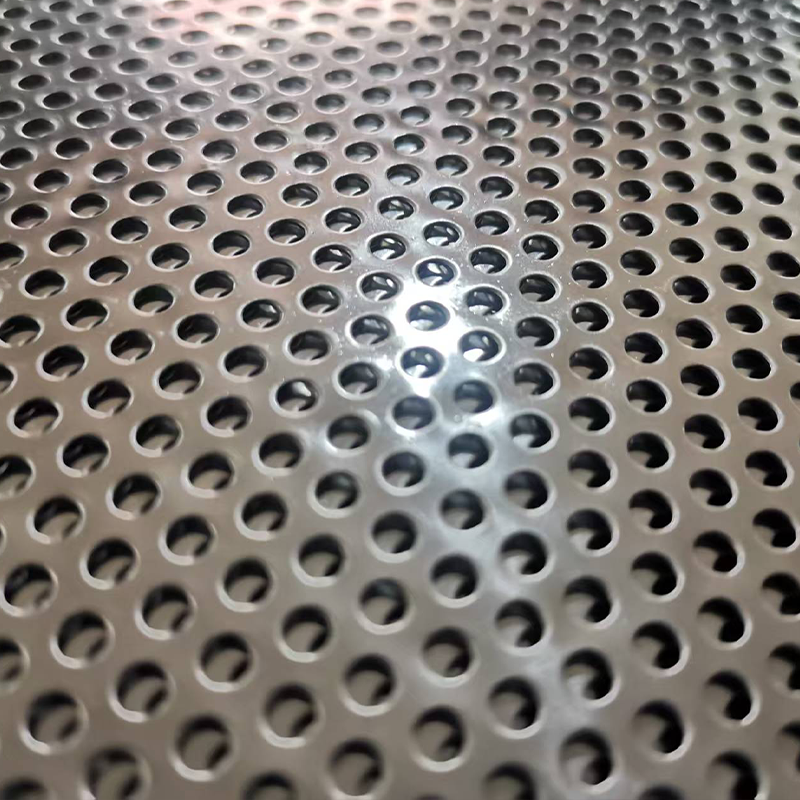
Perforated wood acoustic panels are engineered wood panels featuring precisely drilled holes across the surface. The perforations work together with an acoustic fleece backing and wall cavity to absorb sound waves and reduce unwanted noise reflections.
When sound enters the perforations, acoustic energy is dissipated within the cavity and backing materials, reducing reverberation and improving speech intelligibility. This makes perforated wooden panels particularly suitable for spaces where communication clarity and acoustic comfort are essential.
Unlike traditional decorative wall coverings, perforated acoustic panels serve both aesthetic and functional purposes. Architects often select them because they offer a premium wood appearance while simultaneously enhancing acoustic performance.
Timberix™ Perforated Wood Panel Construction
Timberix™ perforated wood panels are composed of three primary layers:
1. Base Material
The substrate provides structural stability and determines overall durability. Available options include:
- E1 MDF
- Fire-Resistant MDF (FR MDF)
- Eco-Friendly MDF
- Black MDF
- MgO Composite Board
- 3-Layer Composite Board
- 5-Layer Composite Board
- OSB Board
Each substrate can be selected according to project requirements, environmental conditions, fire regulations, and budget considerations.
2. Decorative Surface Finish
Several surface treatments are available to match different interior design concepts:
- Natural Wood Veneer
- Melamine Finish
- Painted Finish
- Custom Decorative Coatings
Wood veneer remains one of the most popular choices because it delivers the authentic appearance of natural timber while maintaining excellent dimensional stability.
3. Acoustic Fleece Backing
A sound-absorbing acoustic fleece is installed behind the perforated surface. This layer helps improve acoustic absorption performance while preventing dust or debris from entering the perforations.
The combination of perforations, acoustic fleece, and air cavity creates an efficient sound absorption system.
Understanding Timberix™ Perforation Patterns
The naming system of Timberix™ perforated wood panels is straightforward and helps designers quickly identify panel configurations.
Hole Arrangement
Two primary arrangements are available:
Linear Pattern (E)
Linear perforations are aligned in straight rows and columns.
Examples:
- E8/8/3
- E16/16/6
- E16/16/8
- E32/32/6
- E32/32/8
These patterns create a clean and orderly appearance suitable for corporate offices, conference rooms, and educational facilities.
Staggered Pattern (V)
Staggered perforations create a more dynamic visual effect.
Examples:
- V8/8/3
- V16/16/6
- V16/16/8
- V32/32/6
- V32/32/8
These designs are commonly selected for theaters, hospitality spaces, and modern architectural interiors.
Pattern Interpretation
For example:
E16/16/6
- E = Linear arrangement
- 16 mm = Distance between holes horizontally
- 16 mm = Distance between holes vertically
- 6 mm = Hole diameter
This system allows architects to evaluate both acoustic performance and visual appearance during specification.
Standard Specifications
Panel Dimensions
Timberix™ perforated wood acoustic panels are available in several standard sizes:
- 600 mm × 600 mm
- 600 mm × 1200 mm
- 1200 mm × 1200 mm
- 1200 mm × 2400 mm
These sizes accommodate both wall and ceiling installations.
Thickness Options
Available thicknesses include:
- 12 mm
- 15 mm
- 18 mm
Thicker panels generally provide improved structural rigidity and enhanced acoustic performance when integrated into complete acoustic systems.
Hole Diameters
Standard hole diameters include:
- 3 mm
- 6 mm
- 8 mm
Smaller perforations often provide a more subtle visual appearance, while larger perforations can increase acoustic effectiveness depending on backing materials and cavity depth.
Hole Spacing
Standard center-to-center spacing includes:
- 8 mm
- 16 mm
- 32 mm
The relationship between hole size and spacing significantly influences acoustic absorption characteristics.
Acoustic Benefits of Perforated Wood Panels
One of the primary reasons designers choose perforated wood panels is their ability to improve indoor acoustic comfort.
Noise Reduction
Perforated panels absorb reflected sound energy, helping reduce noise buildup in occupied spaces.
Improved Speech Intelligibility
Meeting rooms, classrooms, and conference centers benefit from clearer communication because reverberation times are reduced.
Enhanced Listening Experience
Concert halls, lecture theaters, and auditoriums use perforated acoustic panels to improve sound quality and audience experience.
Reduced Echo
Large open spaces often suffer from excessive echo. Acoustic wood panels help control these reflections and create a more comfortable environment.
Environmental Sustainability
Sustainability is increasingly important in modern construction projects.
Timberix™ panels support environmentally responsible building practices through:
- Sustainable wood sourcing
- Low-emission E1 MDF substrates
- Long service life
- Recyclable material components
- Reduced environmental impact during manufacturing
Eco-friendly materials help support green building certifications and sustainable architectural design goals.
Fire Performance
Building safety regulations often require certified fire-resistant materials.
Timberix™ perforated wood panels can achieve:
Fire Classification
EN 13501-1 Class B-s1,d0
This classification indicates:
- Limited contribution to fire
- Very low smoke production
- No flaming droplets
These characteristics make the panels suitable for many public and commercial buildings where fire performance requirements are stringent.
Environmental Compliance
E1 Formaldehyde Standard
According to:
EN 13986 = E1
The panels meet strict European requirements regarding formaldehyde emissions.
Low-emission products contribute to healthier indoor environments and improved indoor air quality.
Common Applications
Perforated wood acoustic panels are used in numerous architectural settings.
Educational Buildings
- Classrooms
- Universities
- Lecture halls
- Libraries
Commercial Offices
- Meeting rooms
- Boardrooms
- Open-plan offices
- Reception areas
Hospitality Projects
- Hotels
- Restaurants
- Banquet halls
- Conference centers
Cultural Facilities
- Theaters
- Museums
- Concert halls
- Performing arts centers
Public Buildings
- Airports
- Government buildings
- Healthcare facilities
- Transportation terminals
Installation Preparation
Proper preparation is essential for successful installation and long-term performance.
Environmental Conditions
Before installation:
- Room temperature should remain above 10°C.
- Relative humidity should remain between 40% and 60%.
- The building envelope should be weather-tight.
- Wet construction activities should be completed.
Acclimatization
Timberix™ panels should be stored on-site for at least 48 hours before installation.
This allows the material to adapt to local temperature and humidity conditions, reducing the risk of dimensional movement after installation.
Installation Process
Step 1: Layout Planning
Carefully mark panel positions and verify alignment with:
- Lighting systems
- HVAC equipment
- Sprinkler systems
- Electrical fixtures
Early coordination prevents installation conflicts later in the project.
Step 2: Select Installation Method
Common installation systems include:
- Concealed fixing systems
- Clip systems
- Suspension systems
- Direct mechanical fixing
The chosen method depends on project requirements and substrate conditions.
Step 3: Install Acoustic Backing
Acoustic insulation materials should be installed according to design specifications.
Common options include:
- Mineral wool
- Rock wool
- Acoustic fiberglass
These materials significantly improve overall sound absorption performance.
Step 4: Match Grain Direction
For wood veneer finishes, maintaining consistent grain orientation is critical.
Panels should be aligned carefully to ensure visual continuity across large wall and ceiling surfaces.
Step 5: Final Cleaning
After installation:
- Remove dust using compressed air.
- Wipe surfaces with a dry microfiber cloth.
- Avoid excessive moisture during cleaning.
Proper maintenance helps preserve appearance and performance over time.
Maintenance Recommendations
Routine maintenance is relatively simple.
Recommended practices include:
- Regular dust removal
- Dry cloth cleaning
- Periodic inspection of joints
- Avoidance of abrasive cleaners
- Protection from excessive moisture exposure
When properly maintained, perforated wood panels can provide decades of reliable service.
Design Considerations for Architects
When specifying perforated acoustic panels, architects should evaluate:
Acoustic Targets
Determine required reverberation times and acoustic absorption levels.
Visual Requirements
Select perforation patterns that complement the interior design concept.
Fire Regulations
Confirm compliance with local building codes and project specifications.
Environmental Goals
Consider low-emission and sustainable material options.
Budget Requirements
Balance aesthetic goals, acoustic performance, and project costs.
Industry Standards and Technical References
The following authoritative resources provide additional information regarding acoustic design, wood products, and building performance:
- European Committee for Standardization (CEN)https://standards.cencenelec.eu
- EN 13501 Fire Classification Standardshttps://www.en-standard.eu
- Forest Stewardship Council (FSC)https://fsc.org
- Acoustic Society of America (ASA)https://acousticalsociety.org
- National Institute of Building Sciences (NIBS)https://www.nibs.org
These organizations provide valuable guidance on acoustics, fire safety, sustainability, and building material standards.
Conclusion
Timberix™ perforated wood wall and ceiling panels offer a sophisticated combination of acoustic control, visual elegance, sustainability, and regulatory compliance. Their versatile perforation patterns, multiple substrate options, environmentally responsible materials, and proven acoustic performance make them a preferred choice for modern architectural projects.
Whether used in offices, schools, hotels, auditoriums, or public buildings, perforated wood acoustic panels help create quieter, more comfortable, and visually appealing interior environments. By understanding their specifications, installation requirements, and performance characteristics, architects and building owners can maximize both the functional and aesthetic benefits of these advanced acoustic solutions.