






What Are Metal Acoustic Panels? Complete Guide to Sound Absorption, Materials and Applications
What Are Metal Acoustic Panels? A Complete Guide to Sound Absorption, Materials, Applications, and Selection
Metal acoustic panels are building materials designed to reduce echo, control reverberation, and improve indoor sound quality. They combine the strength and durability of metal with acoustic absorption technology, making them suitable for offices, airports, factories, schools, hospitals, stadiums, and commercial buildings.
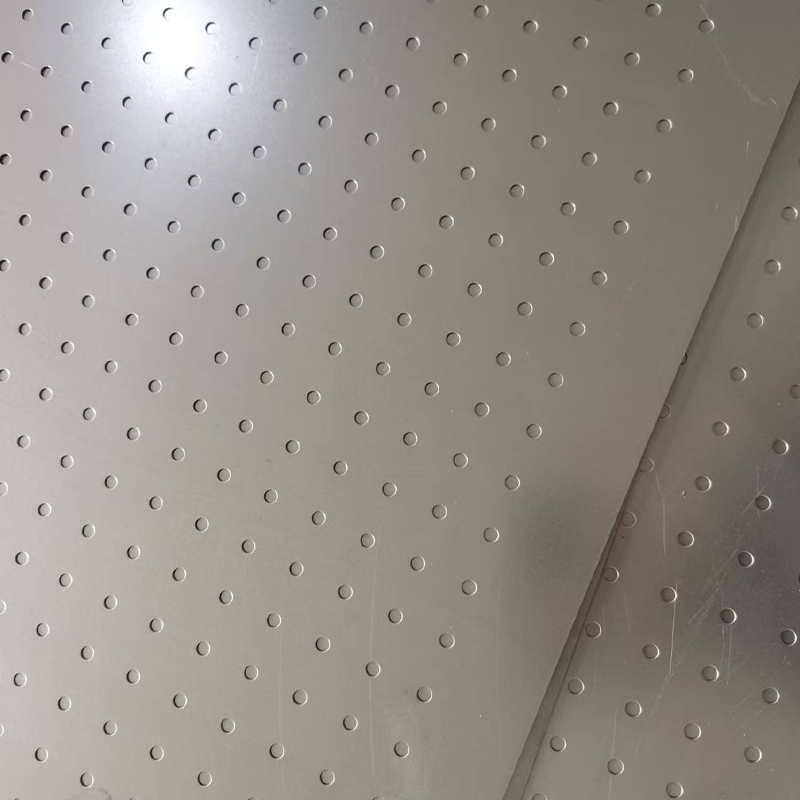
Unlike ordinary decorative metal panels, metal acoustic panels are engineered with perforations, backing materials, and cavity structures. These elements allow sound waves to enter the panel system and lose energy inside the cavity or sound-absorbing layer. As a result, the space becomes quieter, clearer, and more comfortable.
How Do Metal Acoustic Panels Work?
Most metal acoustic panels use a perforated surface. When sound waves reach the panel, part of the sound passes through the holes. Behind the metal surface, materials such as acoustic fleece, mineral wool, rock wool, or glass fiber help absorb the sound energy. This process reduces reflected sound and helps control echo.
The acoustic performance depends on several factors, including hole size, perforation rate, panel thickness, backing material, air cavity depth, and installation method. In acoustic design, NRC is often used to describe the sound absorption ability of a material across mid-range frequencies. A higher NRC generally means stronger sound absorption. The ISO also provides acoustic measurement and building acoustics standards for professional testing and evaluation. :contentReference[oaicite:0]{index=0}
Main Types of Metal Acoustic Panels
1. Aluminum Acoustic Panels
Aluminum acoustic panels are lightweight, corrosion-resistant, and easy to process. They are commonly used in offices, exhibition halls, airports, meeting rooms, and commercial ceilings.
2. Stainless Steel Acoustic Panels
Stainless steel panels provide excellent strength, durability, hygiene, and moisture resistance. They are suitable for hospitals, food processing plants, laboratories, kitchens, and humid environments.
3. Galvanized Steel Acoustic Panels
Galvanized steel panels offer good strength and cost efficiency. They are often used in factories, warehouses, parking areas, equipment rooms, and industrial buildings.
4. Copper Acoustic Panels
Copper panels have a premium appearance and natural antimicrobial characteristics. They are often selected for hotels, clubs, cultural spaces, music halls, and high-end interiors.
Common Perforation Designs
The perforation pattern affects both sound absorption and appearance. Common designs include round holes, square holes, slotted holes, and micro-perforated holes.
- Round hole panels: stable acoustic performance and wide application.
- Square hole panels: modern appearance, suitable for minimalist interiors.
- Slotted hole panels: strong linear visual effect, often used for decorative walls and ceilings.
- Micro-perforated panels: very small holes, clean appearance, suitable for high-end architectural spaces.
Key Advantages of Metal Acoustic Panels
Metal acoustic panels are widely used because they offer a strong combination of acoustic performance, durability, safety, and design flexibility.
- Long service life: metal panels can often be used for decades with proper maintenance.
- Fire safety: metal itself is non-combustible, and complete systems can be designed to meet fire classification requirements such as EN 13501. :contentReference[oaicite:1]{index=1}
- Easy cleaning: smooth metal surfaces are easier to clean than many fabric-covered absorbers.
- High strength: suitable for public areas, industrial spaces, and high-traffic environments.
- Moisture resistance: especially useful in humid or semi-outdoor areas.
- Decorative value: available in many colors, coatings, patterns, and finishes.
- Recyclability: aluminum and steel are recyclable materials, supporting sustainable construction.
Where Are Metal Acoustic Panels Used?
Commercial Buildings
In offices, conference rooms, shopping malls, restaurants, and hotels, metal acoustic panels help reduce background noise and improve comfort. In open-plan offices, they can reduce speech distraction and create a more focused working environment.
Industrial Facilities
Factories, power plants, warehouses, and mechanical rooms often contain noisy equipment. Metal acoustic panels are suitable for these spaces because they can resist impact, dust, heat, and moisture better than many soft acoustic materials.
Transportation Hubs
Airports, railway stations, subway stations, and terminals often have large hard surfaces that create strong echoes. Metal acoustic ceiling and wall panels can help control noise and improve public announcement clarity.
Healthcare and Food Facilities
Hospitals, laboratories, and food processing plants require materials that are easy to clean and hygienic. Stainless steel acoustic panels are often preferred in these environments.
Education and Public Buildings
Schools, universities, libraries, lecture halls, and auditoriums need clear speech communication. Acoustic treatment helps reduce reverberation and improves listening comfort.
How to Choose the Right Metal Acoustic Panel
Choosing the right panel requires more than comparing prices. The best choice depends on the space, acoustic target, safety requirements, and maintenance needs.
1. Check Acoustic Performance
Look at NRC values, absorption curves, and test data. For professional projects, it is better to review frequency-specific absorption performance rather than relying only on one rating.
2. Consider the Environment
For humid areas, aluminum or stainless steel may be better. For industrial buildings, galvanized steel or coated steel may provide good cost performance. For high-end interiors, copper, aluminum, or custom-coated panels may be preferred.
3. Review Fire Requirements
Public buildings often require strict fire safety performance. Always confirm the fire classification of the complete panel system, not just the metal surface.
4. Evaluate Maintenance Needs
In hospitals, kitchens, laboratories, and transportation buildings, easy cleaning is very important. Smooth finishes and corrosion-resistant materials can reduce long-term maintenance costs.
5. Match the Design Style
Metal acoustic panels can be powder-coated, anodized, brushed, printed, or customized. The panel should match the overall architectural style while meeting acoustic requirements.
Installation Methods
Common installation methods include keel installation, direct fixing, clip-on installation, cassette systems, and suspended ceiling systems. The correct method depends on the wall or ceiling structure, panel size, maintenance access, and acoustic design.
- Keel installation: suitable for large wall and ceiling areas.
- Direct fixing: suitable for smaller areas and simple projects.
- Clip-on system: convenient for modular ceiling or wall systems.
- Suspended system: useful when acoustic cavity depth is needed.
Good installation is essential. If the backing cavity or acoustic material is missing, the panel may look correct but perform poorly. Panels should be flat, securely fixed, and aligned with lighting, HVAC, sprinklers, and other building systems.
Maintenance Tips
Metal acoustic panels are generally easy to maintain. Regular dust removal and surface cleaning can keep the panels looking good and performing well.
- Use a soft cloth, soft brush, or vacuum attachment to remove dust.
- Use mild cleaning agents when necessary.
- Avoid abrasive tools that may damage the finish.
- Check fixing parts regularly.
- Keep perforations clear and free from dust buildup.
- Repair scratches or corrosion early to prevent further damage.
Metal Acoustic Panels vs. Other Acoustic Materials
Compared with fabric panels, polyester fiber panels, rock wool panels, or fiberglass panels, metal acoustic panels are stronger, easier to clean, and more suitable for demanding environments. However, they usually require a more carefully designed backing system to achieve strong absorption.
Fabric and fiber-based panels may be more economical for simple interior projects, while metal acoustic panels are often better for long-term use, public areas, industrial spaces, and places requiring fire resistance, hygiene, or durability.
Buying Guide: What to Check Before Ordering
- Confirm material: aluminum, stainless steel, galvanized steel, copper, or custom metal.
- Check perforation pattern, hole size, and open area.
- Request acoustic test data or NRC information.
- Confirm fire rating and coating performance.
- Check panel thickness and structural strength.
- Ask about installation accessories.
- Confirm warranty, lead time, and after-sales support.
- Choose a supplier with project experience and technical support.
Authoritative Reference Links
- ISO Acoustics and Acoustic Measurement Standards: https://www.iso.org/ics/17.140.html
- World Health Organization Environmental Noise Guidance: https://www.who.int/tools/compendium-on-health-and-environment/environmental-noise/
- WHO Environmental Noise Guidelines for the European Region: https://www.who.int/europe/publications/i/item/9789289053563
- BSI EN 13501 Fire Classification Information: https://landingpage.bsigroup.com/LandingPage/Series?UPI=BS+EN+13501
- Acoustical Society of America: https://acousticalsociety.org
Suggested Internal Links
- Perforated Metal Panel Project Reference
- Perforated Acoustic Panel Application
- Perforated Metal Sheet Design
- Architectural Perforated Metal Panels
- Metal Acoustic Panel Solution
Conclusion
Metal acoustic panels are an effective solution for spaces that need both noise control and long-term durability. By combining perforated metal surfaces with acoustic backing materials, they reduce echo, improve speech clarity, and create more comfortable indoor environments.
They are especially suitable for commercial buildings, transportation hubs, industrial facilities, healthcare spaces, educational buildings, and public interiors. When selecting metal acoustic panels, it is important to consider acoustic performance, material type, fire safety, installation method, maintenance needs, and overall project budget.
With proper design and installation, metal acoustic panels can provide reliable acoustic control, strong decorative value, and long service life.
SEO Keywords: metal acoustic panels, perforated metal acoustic panels, sound absorbing metal panels, acoustic metal ceiling panels, acoustic metal wall panels, aluminum acoustic panels, stainless steel acoustic panels, perforated acoustic panels, metal sound absorption panels, architectural acoustic panels, noise control panels, metal ceiling sound absorber, metal wall sound absorber, fire rated acoustic panels, industrial acoustic panels, commercial acoustic panels, acoustic panel installation, acoustic panel maintenance, perforated metal panels, acoustic building materials