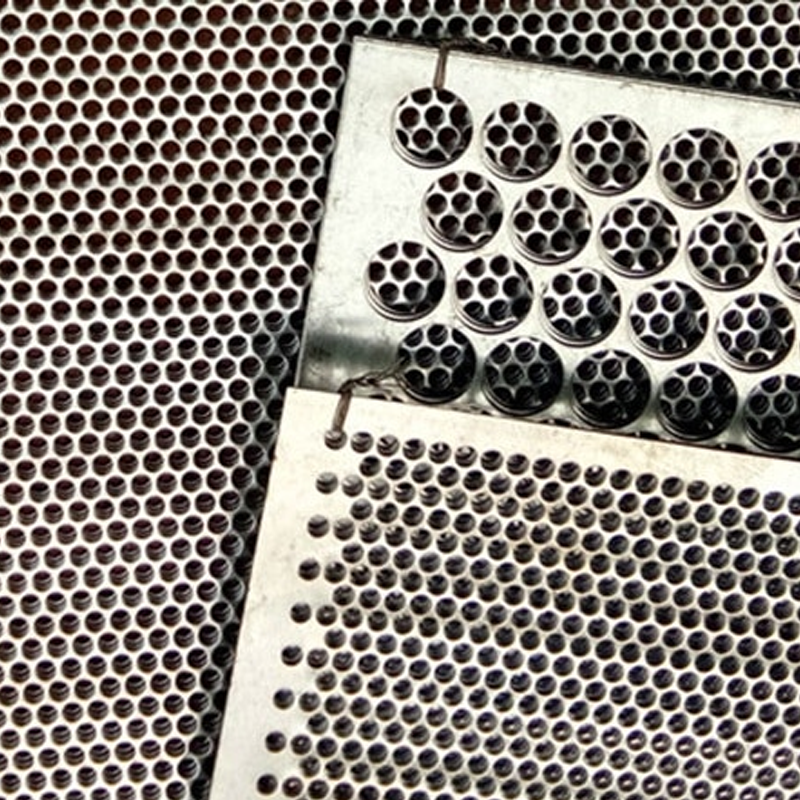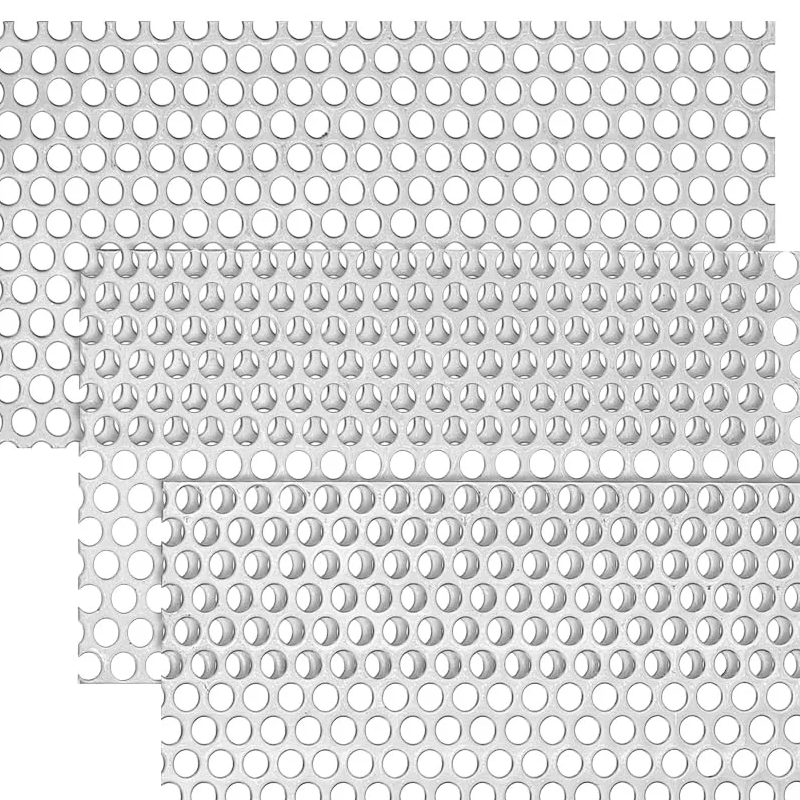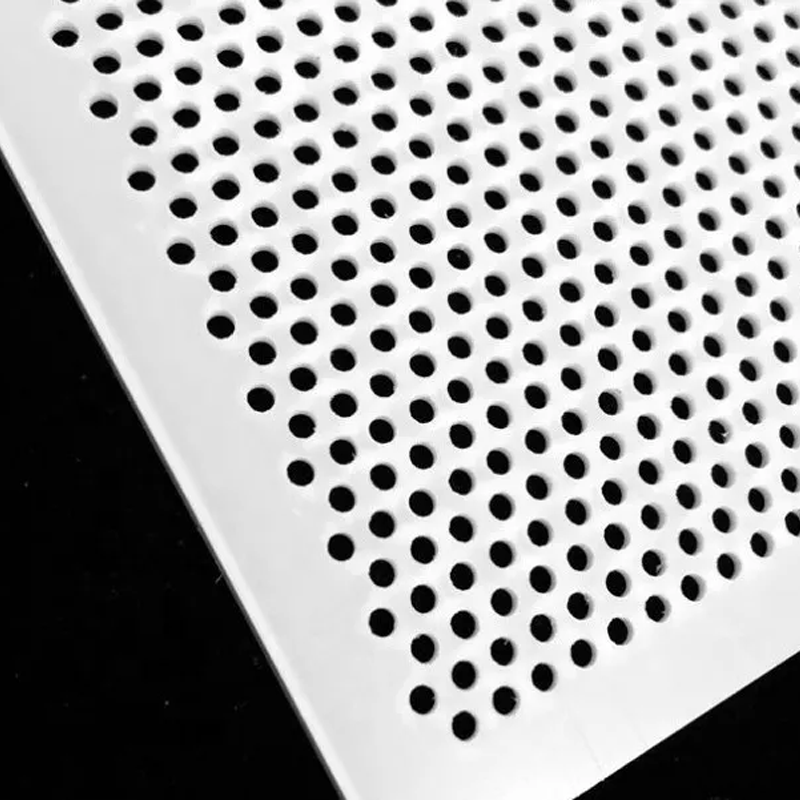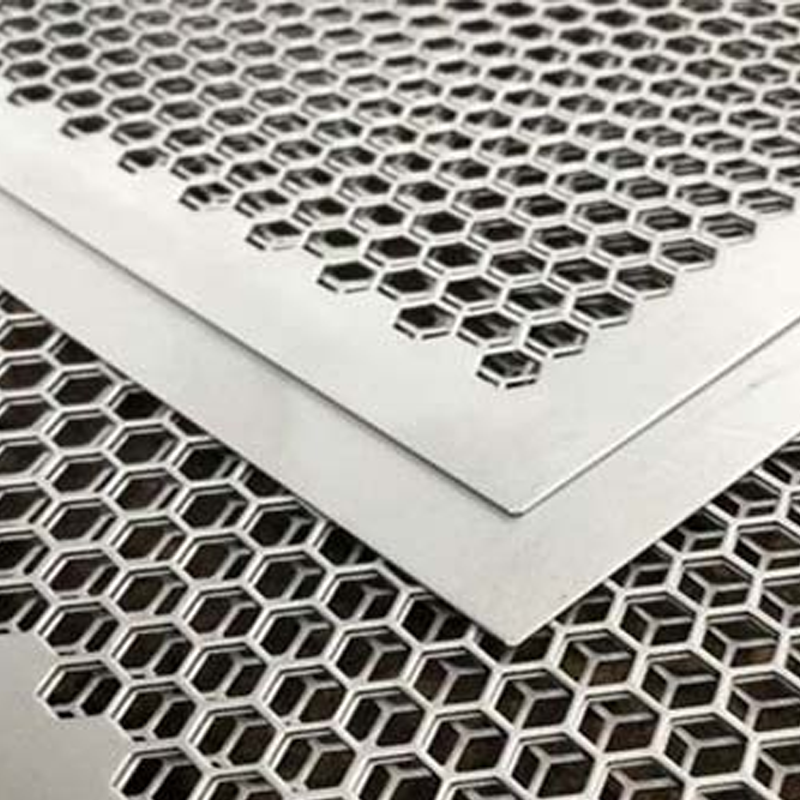





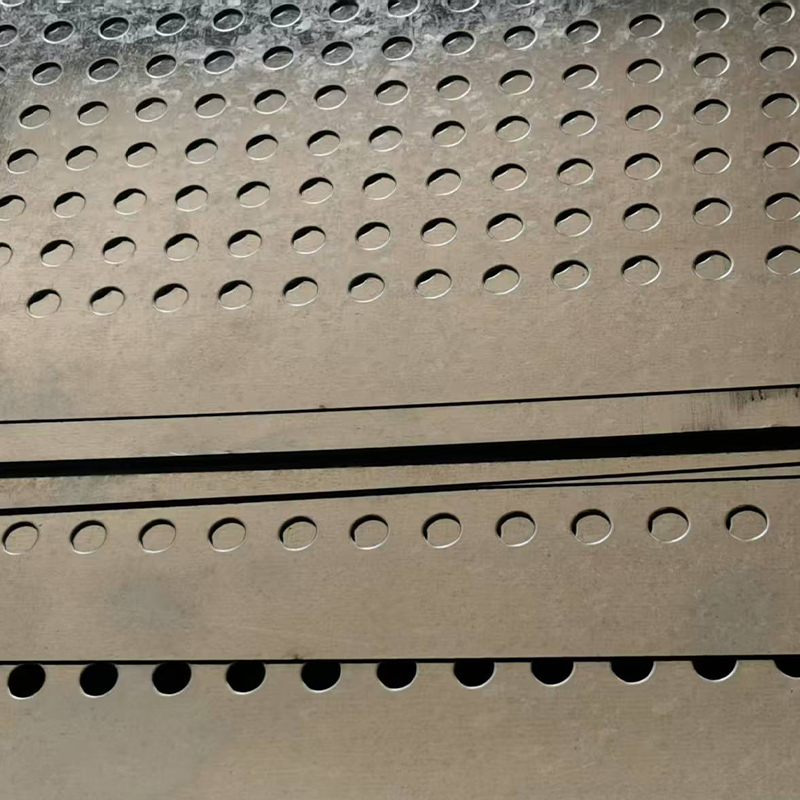

202 Stainless Steel Limitation & Difficult Zero-Spangle Galvanized Sheet Custom Punching Case
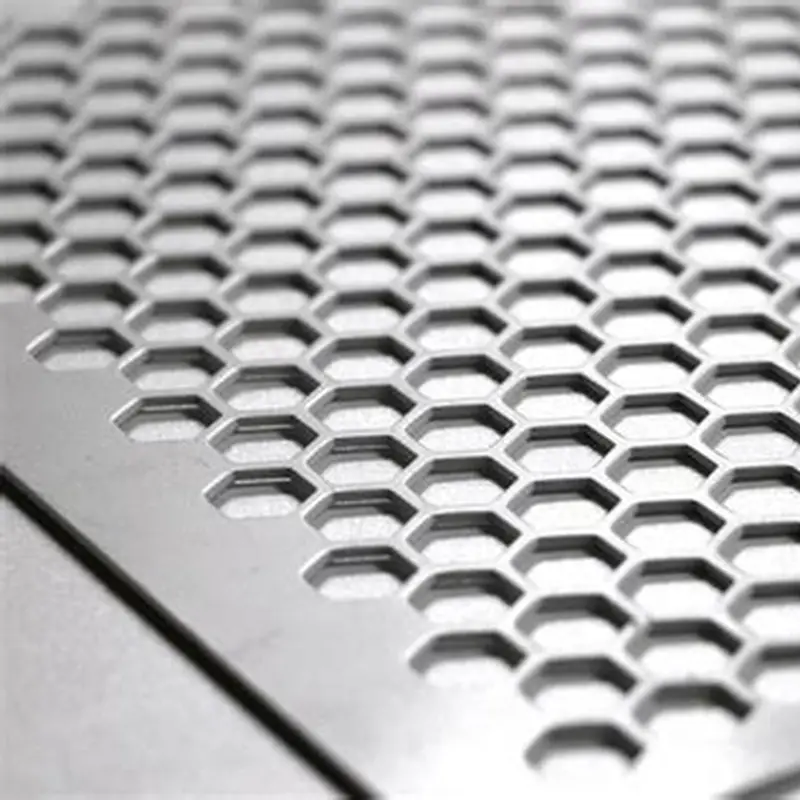
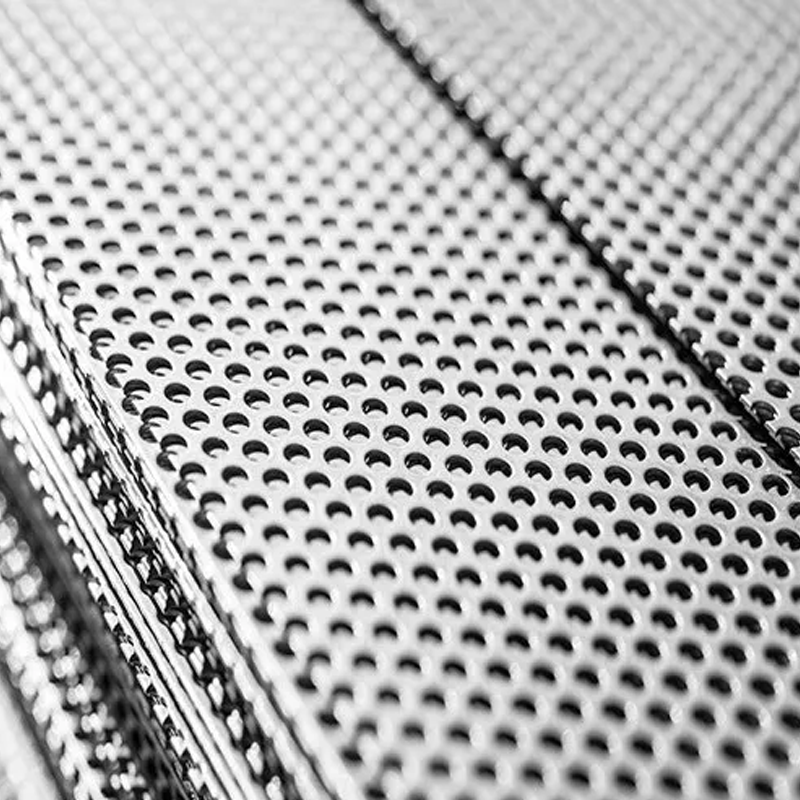
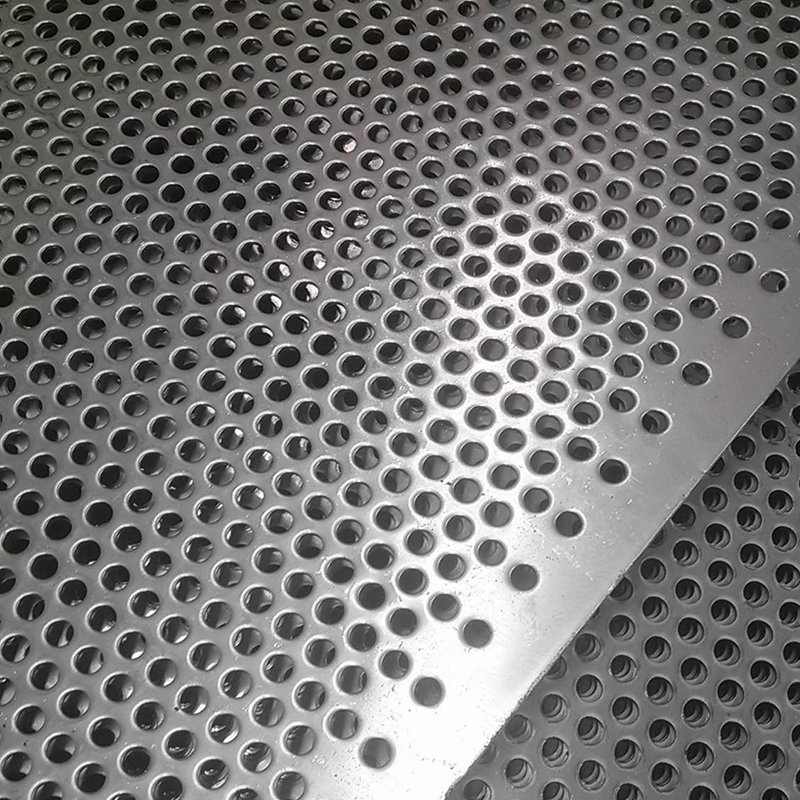
This article explains why 202 stainless steel is difficult and rarely used for perforation, especially for 1.6mm × 1.6mm tiny holes and 1.5mm thick raw materials. It also presents a real customized case for a Vietnamese customer requiring zero-spangle hot-dip galvanized sheet with high zinc coating, special lock holes, window cutting and strict punching tolerance, demonstrating professional solutions for difficult non-standard perforated metal orders.
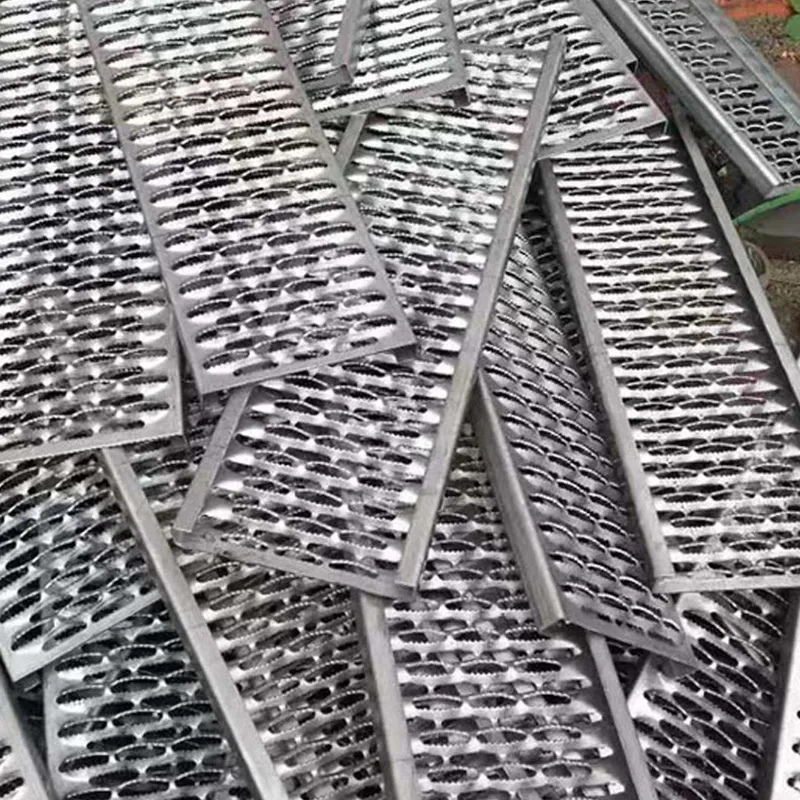
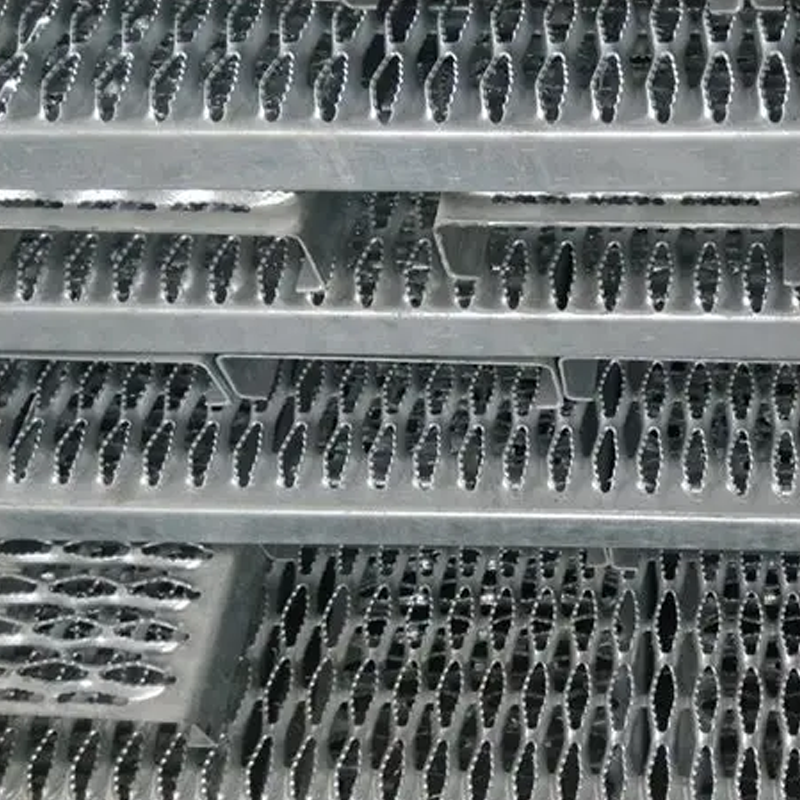
Perforated Metal Procurement That Prevents Failures: A Practical Engineering Guide for Safer Walkways, Ventilation, Drainage, and Long-Term Maintenance
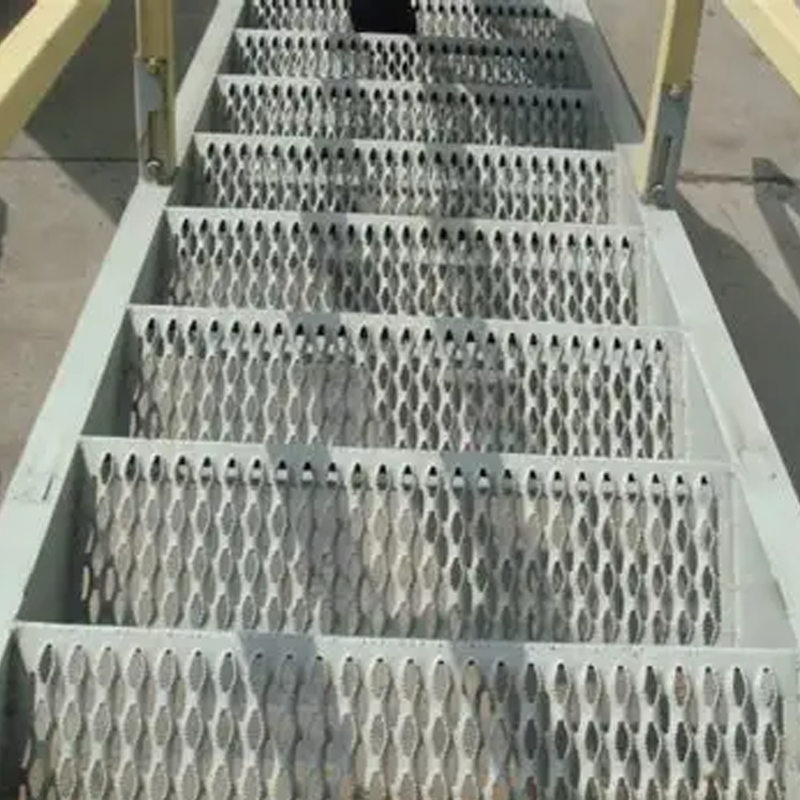
This in-depth engineering guide focuses on standardized perforated metal procurement to prevent hidden field failures in industrial and construction projects. It covers core application scenarios including anti-slip walkways, ventilation screens, drainage panels, machine guards, combustible dust control and architectural facades. Combined with OSHA, NIOSH, ASHRAE, EPA, NFPA authoritative standards and real accident & customer cases, it analyzes common purchasing mistakes caused by only focusing on material, thickness and price. It explains how hole pattern, open area, support span, anti-slip design, galvanized/stainless finish, fixing method and maintainability determine long-term safety and performance. It also provides a complete procurement specification checklist and quotation judging method, helping procurement managers, facility engineers, contractors and OEM builders select qualified perforated metal panels to avoid slipping, clogging, vibration, corrosion and potential safety hazards.
Hot Dipped Galvanized Round Hole Perforated Steel Sheet 1mm 2mm Thick: How to Choose the Right Thickness for Industrial Use
This professional engineering guide focuses on hot dipped galvanized round hole perforated steel sheets in 1mm and 2mm thickness. It clarifies that thickness selection is not only about weight and price, but closely related to support span, fan vibration, open area, deburring quality, hot-dip galvanized coating and maintenance cycles. With real industrial cases of ventilation covers, dust filtration panels and agricultural drying lines, it analyzes applicable scenarios for 1mm lightweight panels and 2mm heavy-duty panels, helping OEM manufacturers and factory procurement avoid deformation, rattling vibration, early corrosion and frequent replacement caused by wrong thickness specification.
Round Hole Galvanized Perforated Metal Panel for Ventilation: How the Right Hole Pattern Solves Airflow, Vibration, Corrosion, and Maintenance Problems
This professional engineering article focuses on round hole galvanized perforated metal panels for industrial ventilation. It reveals why low-cost generic panels easily cause unbalanced airflow, fan vibration, early hole-edge rust, dust clogging and frequent maintenance. With real OEM ventilation equipment, factory air intake and outdoor enclosure cases, it analyzes the critical importance of staggered hole pattern, open area, sheet thickness, deburring quality, flatness and hot-dip galvanizing. It also guides procurement to specify working environment rather than only size and price, helping buyers select stable, long-lasting ventilation perforated panels to reduce operational failure and after-sales complaints.
Galvanized Steel Round Hole Perforated Mesh Sheet for Filtration: How to Control Clogging, Pressure Drop, Corrosion, and Maintenance Cost
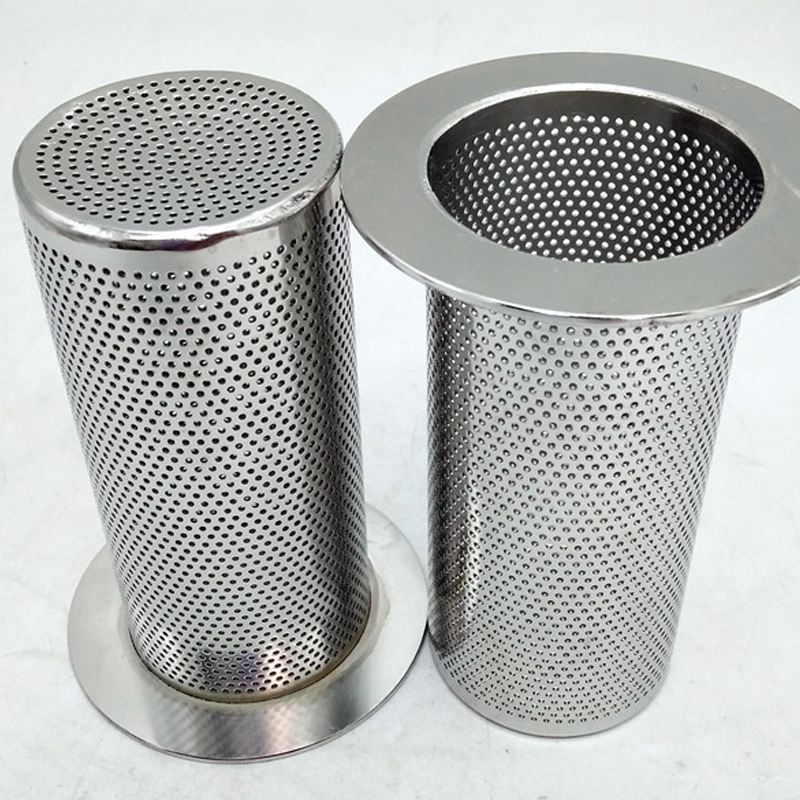
This in-depth engineering article focuses on galvanized steel round hole perforated mesh sheets for industrial filtration. It reveals why low-cost generic perforated panels easily cause rapid clogging, unstable pressure drop, edge rust, shortened cleaning cycles and higher maintenance expenses. Combined with real dust filtration, grain screening and liquid filtration cases, it analyzes the essential role of hole geometry, staggered pitch, open area, deburring, galvanizing quality and panel rigidity. It also guides buyers to standardize procurement specifications, avoid simply choosing by size and price, and balance long-term filtration stability, corrosion resistance and overall operational cost.
Hot-Dip Galvanized Round Hole Perforated Sheet for Industrial Ventilation Grilles: How Engineering Evidence Prevents Rust, Airflow Loss, and Costly Replacement
This professional SEO engineering article focuses on hot-dip galvanized round hole perforated sheet for industrial ventilation grilles. With ASTM A653 standard, zinc coating thickness principle, circular hole structure mechanics and environmental corrosion research, it analyzes four real failure cases including Vietnam food factory, Malaysia commercial facade, Thailand automotive workshop and Foshan chemical plant. It explains why ordinary low-spec galvanized panels easily cause hole-edge rust, dust clogging, reduced airflow, deformation and hidden safety risks in humid, oily, tropical and chemical environments. The article clarifies how to reasonably specify sheet thickness, round hole size, staggered layout, open area and zinc coating thickness to form a complete industrial ventilation solution. It also provides practical procurement guidelines and environment-based selection skills for factory engineers, contractors and purchasers, helping effectively prevent rust failure, airflow attenuation, frequent maintenance and costly repeated replacement.
Corrosion-Resistant Round Hole Galvanized Perforated Panel for Outdoor Building Facades: From Rust Stains to Long-Term Facade Reliability
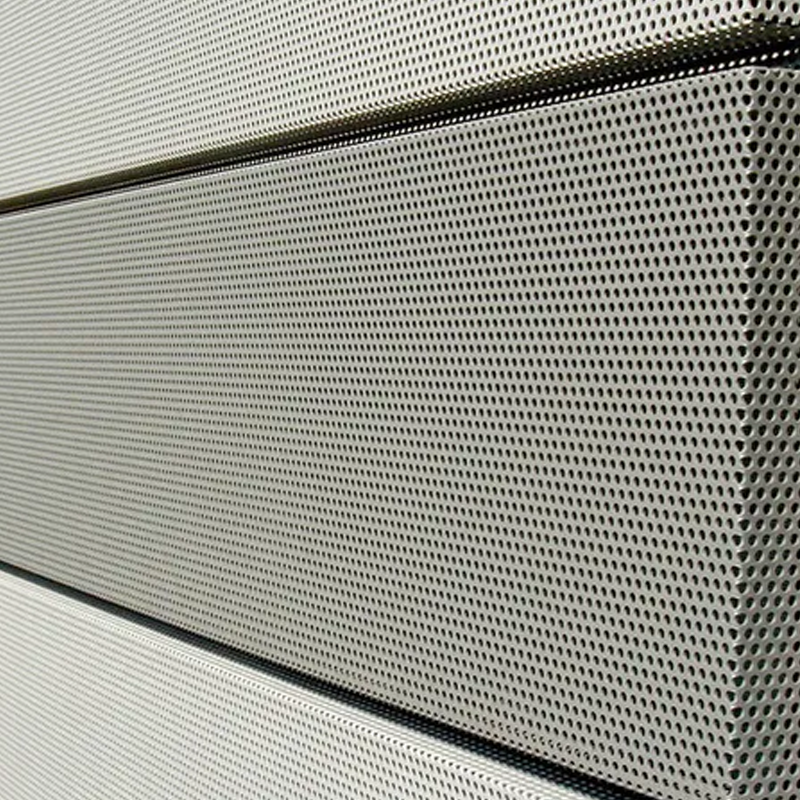
This professional SEO engineering article focuses on corrosion-resistant round hole galvanized perforated panels for outdoor building facades. Combining ASTM A653 standard, zinc coating thickness theory, circular hole structure mechanics and environmental corrosion research, it deeply analyzes a real rust-stain failure case of a commercial center facade in Kuala Lumpur, Malaysia. It reveals why ordinary low-cost galvanized perforated panels easily produce rust streaks, water marks and panel deformation under tropical high-humidity, rainy and strong UV conditions. The article systematically explains how to specify sheet thickness, 8mm staggered round holes, 40% open area, qualified galvanized substrate and outdoor weather-resistant coating to form a complete facade protection system. It also provides practical procurement specifications and environment-based selection guidance for architects, contractors and building owners, helping avoid early facade aging, frequent cleaning complaints and high renovation costs, and achieving long-term reliable exterior building performance.
ASTM A653 Certified Round Hole Galvanized Perforated Metal for Machine Safety Guards: From Weak Covers to Reliable Industrial Protection
This professional engineering article explains the key differences between ordinary perforated covers and standard machine safety guards. With ASTM A653 certification, zinc coating thickness principle, staggered round hole mechanical performance and environment corrosion research, it analyzes a real Thailand automotive parts factory case. It reveals why under-specified thin panels cause bending, vibration and hidden safety risks, and how 3.0mm thick ASTM A653 certified round hole galvanized perforated metal solves strength, anti-rust, ventilation and visibility demands. It also provides practical procurement specifications and system selection guidance for factory owners, safety managers and engineering purchasers to upgrade reliable long-service-life machine safety guards.
Staggered Round Hole Galvanized Sheet | 85μm Zinc for Humid Factory
This engineering article analyzes the hidden corrosion failure of ordinary perforated sheets in humid factories. Combining ASTM A653 standard, zinc coating research, circular hole network data and corrosion behavior journals, it explains why staggered round holes and 85μm zinc coating are essential for humid industrial environments. A Vietnam food factory case proves that smooth hole edges and standardized hot-dip galvanized layers effectively break the rust-clogging cycle, lowering long-term maintenance and energy costs for ventilation panels.
Round Hole Perforated Galvanized Steel Sheet for Filtration Systems: Why Modern Industrial Filtration Failures Often Begin Long Before Filters Stop Working
Modern industrial filtration systems are becoming increasingly complex as facilities demand higher airflow stability, pressure consistency, corrosion resistance, thermal durability, and long-term operational efficiency. This article explores why round hole perforated galvanized steel sheets are now considered critical engineering components within filtration infrastructure rather than simple support materials used behind filter media. The article explains how many industrial filtration failures originate not from the filters themselves, but from poorly engineered perforated support structures that create airflow turbulence, pressure imbalance, uneven filtration loading, vibration fatigue, clogging buildup, and structural instability. Across industries such as cement processing, wastewater treatment, pharmaceutical cleanrooms, industrial ventilation, chemical processing, and dust-collection systems, unstable perforation geometry and poor airflow-control design are increasingly recognized as hidden causes of declining filtration performance and rising maintenance costs. Through real-world industrial case studies, the article demonstrates how hot-dip galvanized round-hole perforated steel with CNC punching precision, reinforced bridge spacing, balanced open-area ratios, and airflow-optimized geometry significantly improves pressure stability, filtration consistency, airflow distribution, corrosion durability, and overall operational reliability. Special attention is given to the engineering advantages of round-hole perforation geometry, which distributes both airflow and mechanical stress more evenly than angular perforation systems under continuous industrial loading conditions. The content also highlights the growing importance of hot-dip galvanized steel in harsh filtration environments exposed to chemical contamination, humidity accumulation, abrasive dust, thermal cycling, and continuous airflow pressure. Proper zinc coating thickness, deburring quality, structural rigidity, and pressure-balanced perforation engineering are becoming essential for extending filtration system lifespan while reducing downtime and maintenance frequency. In addition, the article explores how modern industrial facilities increasingly integrate perforated filtration systems into broader environmental-engineering strategies involving airflow optimization, acoustic control, worker safety, energy efficiency, and operational stability. As a result, perforated galvanized filtration structures are evolving from passive support sheets into active airflow-management infrastructure that directly influences long-term industrial environmental performance and filtration reliability.
Heavy Duty Galvanized Perforated Steel Sheet for Industrial Screening: Why Many Screening Systems Fail Long Before the Machinery Does
Modern industrial screening systems are operating under increasingly aggressive conditions involving continuous vibration, abrasive material flow, airflow pressure, thermal expansion, corrosion exposure, and dynamic stress cycling. This article explores why heavy duty galvanized perforated steel sheets are becoming critical engineering components across mining operations, aggregate processing facilities, cement plants, recycling systems, coal screening infrastructure, and bulk material handling environments. The article explains how many industrial screening failures originate not from the machinery itself, but from poorly engineered perforated screening plates that gradually develop fatigue cracking, uneven material flow, airflow imbalance, clogging buildup, corrosion expansion, and structural instability long before catastrophic equipment failure occurs. Traditional procurement methods focused mainly on low pricing, thicker steel, larger hole sizes, or rapid delivery are increasingly proving insufficient for modern heavy-duty industrial environments. Through real-world mining and industrial case studies, the article demonstrates how hot-dip galvanized round-hole perforated screening systems with reinforced bridge spacing, CNC punching precision, balanced open-area ratios, secondary deburring, and optimized staggered perforation layouts significantly improve screening efficiency, vibration stability, abrasion resistance, material separation accuracy, and long-term operational reliability. Special attention is given to the engineering advantages of round-hole perforation geometry, which distributes stress more evenly and reduces fatigue concentration compared to angular or slotted perforation systems under continuous vibration loading conditions. The content also highlights the growing importance of hot-dip galvanized steel in screening environments exposed to abrasive dust, moisture, chemical contamination, outdoor weather cycling, and heavy dynamic loading. Proper zinc coating consistency, flatness control, airflow optimization, and structural fatigue engineering are becoming essential for extending service life while reducing maintenance shutdowns and production interruptions. In addition, the article explores how modern industrial facilities increasingly evaluate screening systems through the lens of vibration engineering, airflow dynamics, structural resonance, fatigue mechanics, and long-term production stability rather than simply material thickness or open-area percentage. As a result, perforated screening sheets are evolving from replaceable consumable materials into critical operational-engineering systems that directly influence industrial efficiency, maintenance performance, and long-term production reliability.
Why Industrial Buyers Are Demanding More from Industrial Galvanized Round Hole Perforated Metal Panels Suppliers
Modern industrial environments are placing far greater demands on perforated metal systems than ever before. No longer viewed as simple punched steel sheets for ventilation or protection, galvanized round hole perforated metal panels are now critical engineering components that directly influence airflow stability, corrosion resistance, vibration durability, dust control, acoustic performance, thermal dissipation, and long-term operational reliability. This article explores why industrial buyers are fundamentally changing how they evaluate perforated metal panel suppliers across industries such as mining, HVAC systems, wastewater treatment, petrochemical plants, generator enclosures, dust extraction systems, and industrial ventilation infrastructure. The article explains how many industrial perforated metal projects begin failing gradually through vibration fatigue, airflow imbalance, corrosion expansion, coating weakness, and structural instability long before visible system failure occurs. Traditional procurement methods focused mainly on price, delivery speed, and sheet dimensions are increasingly inadequate for modern industrial operating environments exposed to continuous vibration, thermal cycling, abrasive particles, airborne chemicals, and moisture accumulation. Through real-world industrial case studies, the article demonstrates how advanced hot-dip galvanized round hole perforated panels with CNC punching precision, staggered perforation geometry, balanced open-area ratios, reinforced flatness control, and improved zinc coating consistency significantly improve airflow efficiency, dust extraction stability, acoustic control, corrosion durability, and maintenance performance. Special attention is given to the engineering advantages of round-hole perforation geometry, which distributes stress more evenly and improves fatigue resistance compared to angular perforation layouts under continuous industrial loading conditions. The content also highlights the critical importance of hot-dip galvanizing in harsh industrial environments where perforated systems are continuously exposed to humidity, abrasive dust, pressure fluctuation, thermal expansion, and corrosive chemicals. Proper zinc coating thickness, deburring quality, SGCC/SPCC certification, and manufacturing consistency are increasingly essential for extending operational lifespan and reducing maintenance downtime. In addition, the article explores how modern industrial ventilation and acoustic systems are driving demand for engineered perforated panel solutions that combine airflow management, thermal control, structural durability, safety performance, and environmental efficiency into one integrated system. As a result, industrial buyers are no longer simply purchasing perforated steel sheets—they are investing in long-term engineering stability and operational reliability.
Galvanized Perforated Metal Panels for Airflow and Ventilation: Why Many Modern Ventilation Systems Lose Efficiency Long Before Equipment Failure Appears
Modern ventilation systems are becoming increasingly complex as industrial and commercial buildings demand higher airflow efficiency, energy optimization, acoustic comfort, humidity regulation, thermal stability, and environmental performance. This article explores why galvanized perforated metal panels are rapidly becoming essential engineering components across HVAC systems, manufacturing plants, transportation terminals, data centers, parking structures, and industrial ventilation environments. The article explains how many airflow and ventilation failures begin long before visible equipment breakdown occurs. Problems such as airflow turbulence, pressure imbalance, thermal hotspots, dust accumulation, condensation formation, and excessive acoustic reflection are often caused not by fans or HVAC equipment, but by poorly engineered perforated ventilation panel systems. Traditional airflow designs focused primarily on fan capacity and airflow volume are increasingly proving inadequate for modern environmental control systems. Through real-world industrial case studies, the article demonstrates how hot-dip galvanized round-hole perforated ventilation panels with optimized open-area ratios, balanced airflow geometry, CNC punching precision, and reinforced structural design significantly improve airflow stability, thermal control, noise reduction, dust management, and energy efficiency. Special attention is given to the engineering advantages of round-hole perforation geometry, which distributes airflow more evenly and reduces turbulence compared to angular perforation patterns under continuous ventilation loading conditions. The content also highlights the growing importance of hot-dip galvanized steel in ventilation systems exposed to humidity, condensation, thermal cycling, dust contamination, chemical exposure, and long-term airflow vibration. Proper zinc coating thickness, deburring quality, perforation consistency, and airflow-engineering precision are increasingly essential for reducing maintenance costs and improving long-term ventilation reliability. In addition, the article explores how modern architecture and industrial engineering increasingly integrate perforated ventilation systems into broader environmental-design strategies involving acoustic control, airflow facades, solar shading, cooling systems, parking ventilation, and sustainable building performance. As a result, galvanized perforated ventilation panels are evolving from simple airflow covers into intelligent environmental-engineering systems that directly influence operational stability, energy consumption, and long-term building performance.
Why Round Hole Galvanized Perforated Steel Panels Are Replacing Traditional Factory Fencing Systems
Modern industrial facilities are rapidly rethinking the role of factory fencing systems as traditional barriers increasingly struggle to meet the demands of automated production, outdoor exposure, airflow management, and long-term operational durability. This article explores why round hole galvanized perforated steel panels are becoming the preferred solution for factory fencing applications across manufacturing plants, logistics centers, automated warehouses, conveyor systems, and industrial security infrastructure. The article explains how conventional fencing systems such as welded mesh barriers, expanded metal fencing, and solid steel enclosures often create operational problems over time, including restricted airflow, reduced visibility, accelerated corrosion, vibration deformation, dust accumulation, and inefficient maintenance access. As industrial environments become more automated and environmentally demanding, fencing systems are no longer expected to provide physical separation alone—they must also support airflow continuity, operational monitoring, corrosion resistance, structural stability, and workplace safety. Through real-world industrial case studies, the article demonstrates how hot-dip galvanized round hole perforated steel fencing systems significantly improve visibility, airflow circulation, vibration resistance, corrosion durability, and long-term maintenance stability compared to traditional fencing materials. Particular attention is given to the engineering advantages of round-hole perforation geometry, which distributes mechanical stress and wind pressure more evenly than angular perforation patterns under continuous industrial loading conditions. The content also highlights the critical importance of hot-dip galvanizing for outdoor factory fencing exposed to humidity, airborne chemicals, UV radiation, abrasive dust, thermal cycling, and environmental corrosion. Proper zinc coating thickness, CNC perforation precision, flatness control, deburring consistency, and export-grade manufacturing standards are increasingly essential for extending service life and reducing operational maintenance costs. In addition, the article explores how modern industrial facilities are integrating perforated fencing systems into broader environmental-engineering strategies involving airflow optimization, visibility enhancement, acoustic control, safety management, and automated operational monitoring. As a result, round hole galvanized perforated steel fencing is evolving from a simple perimeter barrier into a multifunctional engineering system that directly influences industrial efficiency, safety performance, and long-term infrastructure reliability.
Why Custom Round Hole Galvanized Perforated Steel Panels Are Becoming Critical in Modern Industrial Engineering
Modern industrial environments are becoming increasingly complex as factories operate under continuous vibration, thermal cycling, airflow pressure, corrosive exposure, acoustic reflection, and high-load automated production conditions. This article explores why custom round hole galvanized perforated steel panels are rapidly becoming essential engineering solutions across industries such as HVAC systems, petrochemical facilities, mining operations, wastewater treatment plants, generator enclosures, machine guarding systems, and industrial acoustic infrastructure. The article explains how traditional standardized perforated panels often fail in demanding industrial environments because they are designed around generic dimensions rather than real operational conditions. Problems such as airflow instability, vibration deformation, corrosion expansion, thermal stress accumulation, and acoustic inefficiency frequently emerge when perforation geometry, open-area ratios, and structural support systems are not customized to the application itself. Through multiple real-world industrial case studies, the article demonstrates how customized hot-dip galvanized round hole perforated steel systems significantly improve airflow stability, corrosion resistance, vibration durability, thermal management, acoustic control, and long-term operational reliability. Special attention is given to the engineering advantages of round-hole perforation geometry, which distributes mechanical stress more evenly and improves airflow consistency under continuous industrial loading conditions compared to angular perforation layouts. The content also highlights the growing importance of hot-dip galvanizing in customized industrial projects exposed to humidity, chemical contamination, abrasive dust, thermal expansion, and environmental corrosion. Proper zinc coating thickness, CNC punching precision, deburring quality, flatness control, and application-specific airflow engineering are becoming critical for extending service life and reducing maintenance costs in complex industrial environments. In addition, the article explores how modern industrial facilities increasingly integrate customized perforated systems into broader environmental-engineering strategies involving airflow optimization, acoustic management, energy efficiency, corrosion protection, and operational safety. As a result, custom perforated steel manufacturing is evolving from simple sheet-metal production into highly specialized industrial engineering that directly influences long-term system performance and infrastructure reliability.
Galvanized Perforated Steel Sheet Supplier for Industrial Equipment Covers: Why Modern Factories Are Quietly Replacing Traditional Equipment Enclosures
Modern industrial facilities are increasingly discovering that traditional equipment-cover systems are no longer sufficient for high-demand operating environments involving continuous vibration, thermal cycling, airflow turbulence, humidity accumulation, abrasive dust exposure, and 24-hour automated production. This article explores why galvanized perforated steel sheets are becoming essential components in modern industrial equipment-cover and enclosure systems across compressor stations, HVAC infrastructure, mining operations, petrochemical plants, generator rooms, and automated manufacturing facilities. The article explains how many industrial cooling and ventilation failures originate not from the machinery itself, but from poorly engineered equipment-cover systems that create airflow turbulence, heat accumulation, acoustic reflection, vibration instability, dust buildup, and cooling inefficiency. Traditional procurement methods focused mainly on steel thickness, ventilation hole quantity, or low pricing are increasingly inadequate for today’s complex industrial airflow environments. Through real-world industrial case studies, the article demonstrates how advanced hot-dip galvanized perforated steel covers with airflow-balanced round-hole geometry, CNC punching precision, reinforced bridge spacing, and optimized airflow resistance significantly improve cooling stability, thermal dissipation, acoustic performance, vibration control, and long-term operational reliability. It highlights the engineering advantages of round-hole perforation geometry, which distributes airflow pressure and mechanical stress more evenly than angular perforation systems under continuous industrial loading conditions. The content also emphasizes the growing importance of hot-dip galvanized steel in protecting industrial equipment enclosures exposed to humidity, oil residue, airborne chemicals, dust contamination, and thermal expansion. Proper zinc coating thickness, secondary deburring, structural engineering precision, and corrosion-resistant manufacturing standards are becoming essential for extending equipment lifespan while reducing maintenance frequency and operational downtime. In addition, the article explores how modern factories increasingly integrate perforated equipment covers into broader environmental-engineering systems involving airflow optimization, acoustic management, thermal control, worker safety, and industrial energy efficiency. As a result, galvanized perforated equipment enclosures are evolving from simple protective shells into intelligent airflow-management systems that directly influence the long-term performance, cooling efficiency, and operational stability of industrial machinery.
Why Hot Dip Galvanized Perforated Metal Sheets Are Becoming Essential for Outdoor Industrial Applications
Modern outdoor industrial environments are becoming increasingly demanding as exposed infrastructure must continuously withstand humidity, salt air, UV radiation, thermal cycling, vibration loading, airflow pressure, abrasive dust, and chemical exposure. This article explores why hot dip galvanized perforated metal sheets are rapidly becoming essential engineering materials across outdoor industrial applications such as HVAC systems, wastewater treatment plants, offshore facilities, mining operations, logistics terminals, generator enclosures, industrial fencing, and acoustic barrier systems. The article explains how many outdoor industrial failures begin gradually through corrosion expansion, structural fatigue, airflow instability, coating deterioration, and vibration stress long before visible system failure occurs. Traditional procurement methods that focus only on steel thickness, hole size, or low pricing are increasingly inadequate for modern outdoor operating conditions where environmental stress continuously attacks exposed metal structures. Through real industrial case studies, the article demonstrates how hot dip galvanized round hole perforated metal systems significantly improve corrosion resistance, ventilation stability, structural durability, acoustic performance, and long-term operational reliability compared to low-grade electro-galvanized alternatives. Special attention is given to the engineering advantages of round-hole perforation geometry, which distributes wind pressure, thermal expansion stress, and vibration loading more evenly across the metal structure under continuous outdoor exposure. The content also highlights the critical role of heavy hot dip galvanizing in protecting perforated systems operating in harsh environments exposed to moisture, salt air, airborne chemicals, and outdoor thermal fluctuation. Proper zinc coating thickness, CNC perforation precision, deburring quality, flatness control, and application-specific structural engineering are increasingly essential for extending service life and reducing long-term maintenance costs. In addition, the article explores how modern outdoor industrial infrastructure is integrating engineered perforated metal systems into broader environmental-engineering strategies involving airflow management, acoustic control, industrial cooling, corrosion prevention, and operational safety. As a result, hot dip galvanized perforated metal sheets are evolving from simple outdoor steel products into critical environmental-performance systems that directly influence the long-term reliability and operational stability of industrial infrastructure worldwide.
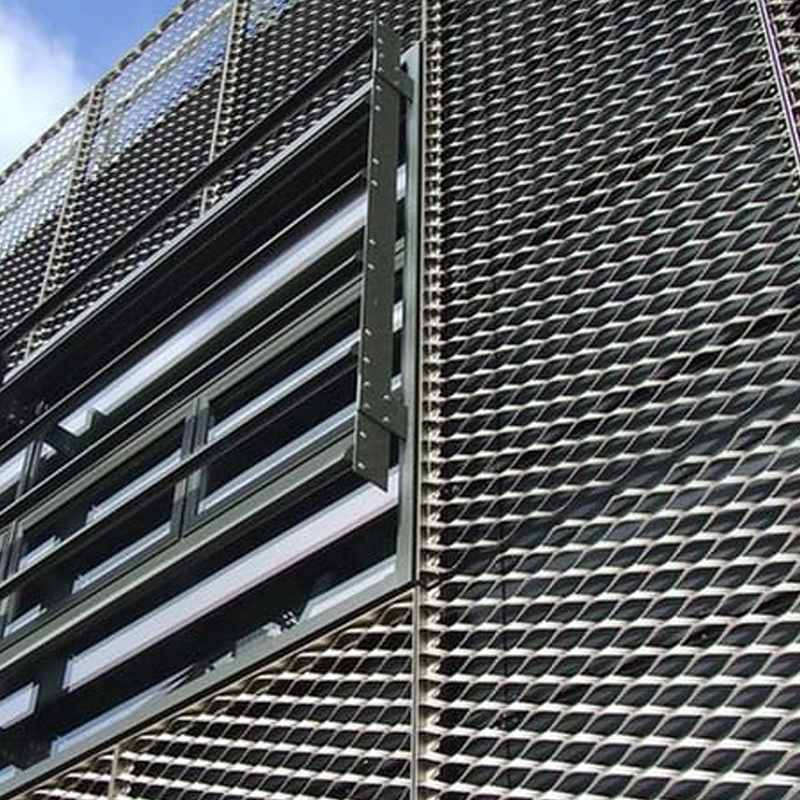
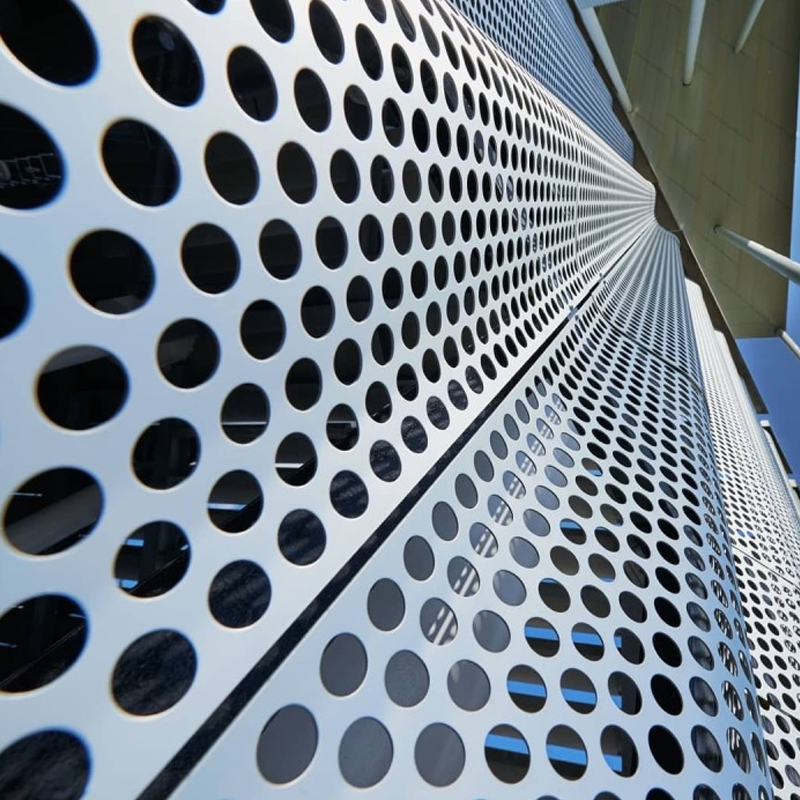
Galvanized Round Hole Perforated Sheet Metal for Architectural Facades: Why Modern Buildings Are Quietly Replacing Traditional Cladding Systems
Modern architectural design is undergoing a major transformation as facade systems are increasingly expected to deliver far more than visual aesthetics alone. Today’s building envelopes must simultaneously manage thermal regulation, airflow optimization, acoustic comfort, corrosion resistance, solar shading, environmental sustainability, and long-term structural durability. This article explores why galvanized round hole perforated sheet metal is rapidly becoming one of the preferred solutions for modern architectural facades across commercial buildings, transportation hubs, urban developments, and high-rise projects. The article explains how many traditional cladding systems begin failing prematurely due to heat accumulation, airflow stagnation, coating deterioration, vibration fatigue, corrosion expansion, and poor environmental-load management. Through real-world architectural case studies, it demonstrates how poorly engineered perforated facade systems often prioritize appearance while neglecting critical environmental-engineering performance factors such as airflow behavior, thermal movement, structural stability, and corrosion resistance. Special attention is given to the engineering advantages of round-hole perforation geometry, which distributes wind pressure, thermal stress, and vibration loading more evenly than angular perforation systems. The article highlights how optimized staggered layouts, reinforced bridge spacing, balanced open-area ratios, and CNC punching precision significantly improve facade durability, airflow consistency, and long-term environmental performance under continuous outdoor exposure. The content also emphasizes the growing importance of hot-dip galvanized steel in architectural applications exposed to coastal humidity, UV radiation, airborne pollution, acid rain, condensation, and thermal cycling. Proper zinc coating thickness, deburring quality, and environmental-load engineering are becoming essential for reducing maintenance costs and extending facade lifespan. In addition, the article explores how modern buildings increasingly integrate perforated facade systems into broader environmental-engineering strategies involving acoustic management, natural ventilation, energy efficiency, sustainable design, and urban thermal control. As a result, galvanized perforated architectural facades are evolving from decorative exterior panels into intelligent environmental-control systems that directly influence how buildings perform, age, and operate over decades of real-world exposure.
Why Galvanized Perforated Metal Screen Panels Are Becoming Essential Across Modern Industrial Systems
Modern industrial environments are placing increasing pressure on screening, ventilation, filtration, and protective metal systems to perform under continuous vibration, airflow pressure, corrosion exposure, abrasive loading, and thermal cycling. This article explores why galvanized perforated metal screen panels are rapidly becoming essential engineering components across industrial sectors including mining, wastewater treatment, HVAC infrastructure, petrochemical facilities, food processing plants, conveyor systems, and acoustic engineering applications. The article explains how many industrial screening failures begin long before visible structural collapse occurs. Problems such as unstable airflow, uneven dust accumulation, corrosion spread, vibration fatigue, and declining ventilation efficiency often originate from poorly engineered perforated screen panels rather than from the surrounding equipment itself. Traditional procurement methods focused mainly on steel thickness, hole size, and low pricing are increasingly proving insufficient for modern industrial operating conditions. Through real-world industrial case studies, the article demonstrates how advanced hot-dip galvanized round hole perforated screen panels significantly improve airflow stability, corrosion resistance, vibration durability, acoustic control, and long-term operational reliability. Special attention is given to the engineering advantages of round-hole perforation geometry, which distributes mechanical stress more evenly and improves airflow continuity compared to angular perforation layouts under continuous industrial loading conditions. The content also highlights the critical role of hot-dip galvanizing in harsh industrial environments exposed to humidity, airborne chemicals, abrasive dust, moisture retention, and thermal expansion. Proper zinc coating consistency, CNC perforation precision, flatness control, and structural engineering standards are becoming essential factors for extending service life and reducing maintenance costs across industrial infrastructure. In addition, the article explores how modern industrial systems increasingly integrate perforated screen panels into broader environmental-engineering strategies involving acoustic management, industrial cooling, ventilation optimization, corrosion control, and operational safety. As a result, galvanized perforated metal screen systems are evolving from simple punched steel barriers into intelligent industrial infrastructure components that directly influence long-term system stability and operational performance.
Round Hole Perforated Galvanized Steel Sheet for Filtration Systems: Why Modern Industrial Filtration Failures Often Begin Before Filters Stop Working
Modern industrial filtration systems are becoming increasingly complex as facilities demand higher airflow stability, pressure consistency, corrosion resistance, operational durability, and long-term filtration efficiency. This article explores why round hole perforated galvanized steel sheets are now considered a critical engineering component within modern filtration infrastructure rather than simple metal support materials. The article explains how many industrial filtration failures are not caused by the filter media itself, but by poorly engineered perforated support structures that create airflow turbulence, uneven pressure distribution, vibration fatigue, accelerated clogging, and structural instability. Across industries such as cement processing, chemical manufacturing, wastewater treatment, pharmaceutical cleanrooms, HVAC systems, and industrial dust collection, unstable perforation geometry and inconsistent airflow management are increasingly recognized as hidden causes of filtration inefficiency and rising maintenance costs. Through real industrial case studies, the article demonstrates how upgrading to airflow-balanced round-hole perforated galvanized steel with CNC punching precision, optimized open-area ratios, reinforced bridge spacing, and hot-dip galvanizing significantly improves pressure stability, filter lifespan, airflow consistency, and overall operational reliability. It highlights the engineering advantage of round-hole perforation geometry, which distributes airflow and mechanical stress more evenly than angular perforation systems under continuous industrial loading conditions. The article also emphasizes the growing importance of hot-dip galvanized steel in harsh filtration environments exposed to humidity, chemical contamination, abrasive dust, thermal cycling, and continuous airflow pressure. Proper zinc coating thickness, corrosion-resistant engineering, and precision manufacturing standards are becoming essential for reducing downtime and extending filtration system lifespan. In addition, the content explores how modern industrial facilities are integrating perforated filtration structures into broader environmental-engineering strategies involving airflow optimization, acoustic control, energy efficiency, maintenance reduction, and worker safety. As a result, perforated galvanized filtration systems are evolving from passive support sheets into active airflow-management infrastructure that directly influences industrial environmental performance and operational stability.