


How to Select Fish‑Eye Anti‑Slip Perforated Plate? Focus on Load Rating & Operating Environment
How to Select Fish‑Eye Anti‑Slip Perforated Plate? Focus on Load Rating & Operating Environment
Overview
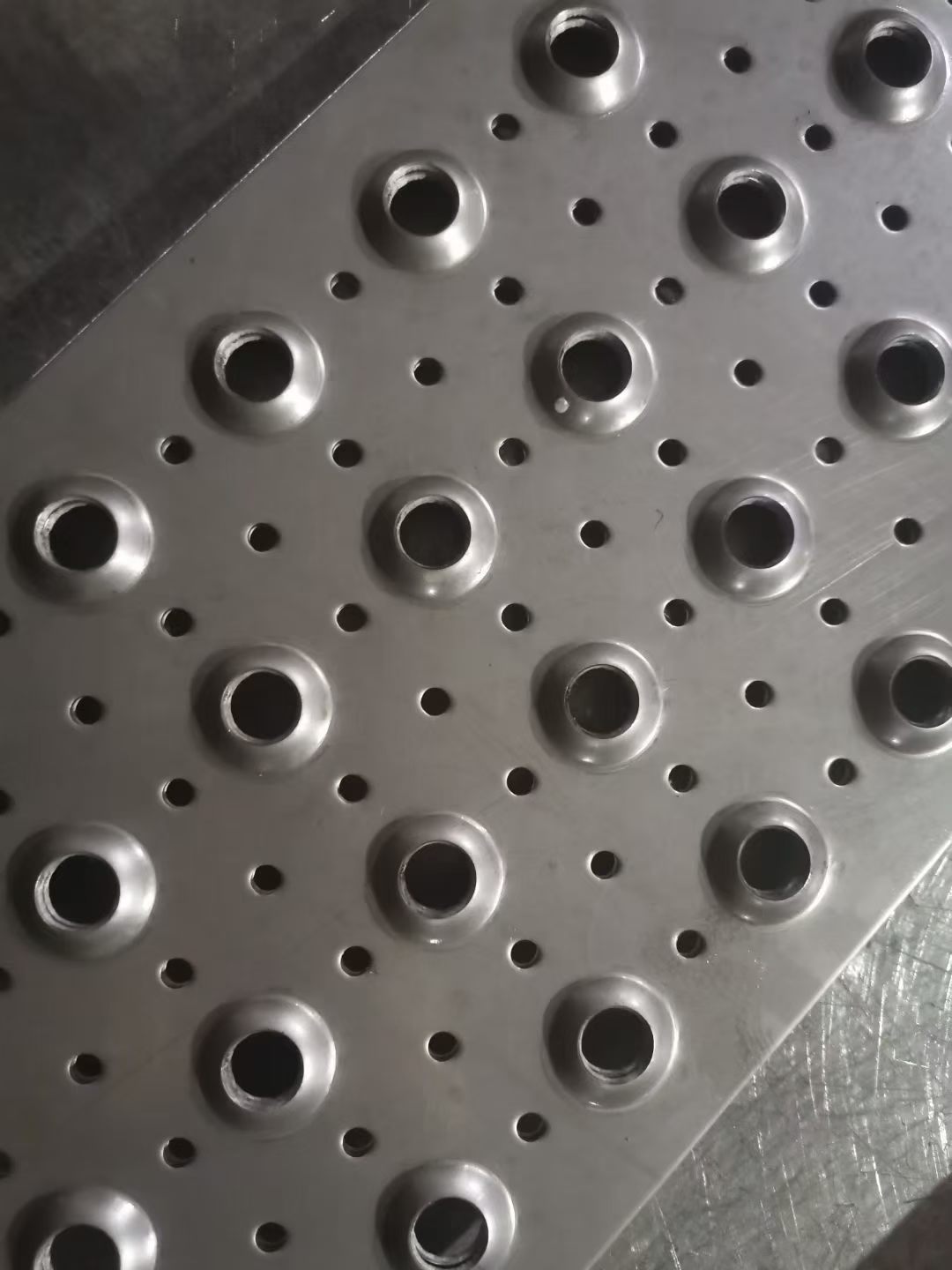
Many buyers simply request “anti‑slip metal plates” during procurement without clarifying actual load conditions and site corrosive environment. Fish‑eye anti‑slip perforated plate belongs to a special textured perforated metal family. Differences in material grade, plate thickness, embossed fish‑eye height create huge gaps in slip resistance, load‑bearing capacity and service lifespan. Blind purchasing will either generate unnecessary high‑cost over‑spec materials or produce safety hazards caused by insufficient performance. This article breaks down core selection rules from load rating and operating environment perspectives. For matched metal safety flooring solutions, visit our Anti‑Slip Perforated Panels.
Main Content
Application Scenarios
Fish‑eye raised anti‑slip perforated plates are widely deployed for factory pedestrian walkways, equipment maintenance platforms, forklift ramps, warehouse aisles, offshore decks, municipal fire‑escape stairs and photovoltaic inspection passages. Light pedestrian‑only zones and heavy‑duty zones with frequent forklift traffic impose completely different mechanical requirements. ISO 14122‑2 sets global safety specifications for machinery access walkways, stair treads and platform load limits for industrial facilities (ISO 14122‑2).
Light‑load scenarios include regular factory pedestrian aisles, rooftop maintenance walkways and photovoltaic inspection paths. These applications only require thin‑gauge sheets with standard fish‑eye protrusion height. Heavy‑duty conditions cover forklift ramps, heavy‑machinery stations and scaffolding treads, which demand thicker base metal plus deeper stamped embossments to maintain stable grip under concentrated pressure. If you need ventilated decorative cladding for building facades, check our Decorative Perforated Panels. Architectural Digest publishes case studies of functional metal safety flooring for public infrastructure projects (Architectural Digest).
Site environmental classification covers dry indoor workshops, high‑humidity coastal zones, chemical processing plants and high‑temperature desert sites, each requiring corresponding anti‑corrosion surface treatment. Dry indoor locations can adopt ordinary galvanized steel. Coastal and chemical‑exposed sites need 304 / 316L stainless steel or enhanced hot‑dip galvanizing. High‑temperature desert projects achieve extended service life with aluminum‑magnesium‑zinc coated substrates. When noise attenuation is required together with walkway safety performance, browse our Acoustic Perforated Panels. Peer‑reviewed research within Journal of Safety Research tests slip risks of textured metal walkways under wet and oil‑contaminated working conditions (Journal of Safety Research).
Specification Parameters
Load rating acts as the decisive index for determining plate thickness. Light pedestrian‑duty environments normally adopt 1.0‑1.5 mm sheets with standard fish‑eye bulge height. Heavy‑duty applications with vehicle or heavy concentrated loads need 2.0‑3.0 mm thick plates and deeper flanged embossments. Two panels both labelled “anti‑slip” may suffer complete functional failure under mismatched load even with identical hole patterns. ASTM F1637 defines standard testing protocols for slip‑resistance performance of safe walking surfaces (ASTM F1637).
Material and surface finish selection directly responds to site corrosion exposure. Bare galvanized steel fits dry indoor spaces. Hot‑dip galvanizing or grade‑304 stainless steel suits high‑humidity, coastal and chemical‑exposed locations. Aluminum‑magnesium‑zinc coated panels deliver superior longevity under sustained high‑heat and abrasive desert conditions. ASTM A240 specifies chemical composition and mechanical benchmarks for stainless‑steel plate substrates used for industrial flooring (ASTM A240). Our factory strictly controls stamping consistency, fish‑eye bulge‑height uniformity and full‑sheet deburring for every production batch to guarantee stable friction performance. The IET Journal of Engineering publishes open‑access tribology research on textured anti‑slip metal walkway panels (IET The Journal of Engineering).
Design Considerations
Most purchasers compare unit price first while ignoring structural load calculation and anti‑corrosion matching. Excellent anti‑slip texture alone cannot guarantee on‑site safety if substrate bends under load or corrodes rapidly. ASCE engineering specifications outline structural deflection and load‑check calculation workflows for metal walkway assemblies (ASCE Engineering).
Surface treatment is not always better simply because of higher price. The optimal solution balances service‑life expectation and project budget by matching material grade against atmospheric corrosivity classes defined within ISO 12944‑5 (ISO 12944‑5).
Support‑frame joist spacing interacts strongly with sheet thickness. Thin fish‑eye plates will sag permanently if supporting joists are spaced excessively wide. Our engineering team supplies supporting‑frame layout advice together with material recommendations. The Acoustical Society of America provides technical resources for integrated safety‑and‑noise‑reduction panel systems deployed inside industrial machine rooms (Acoustical Society of America). For food‑processing and cold‑chain projects, we polish all edges and eliminate sharp burrs to satisfy hygiene‑inspection requirements.
Industry Standards & Acceptance Guidance
ISO 10630 governs dimensional tolerance and surface‑inspection specifications for general‑purpose perforated metal plates (ISO 10630). We are capable of supplying mill test certificates, salt‑spray test reports and slip‑coefficient inspection records for tender‑document submission and on‑site project acceptance.
Our factory follows standardized pre‑sales workflow: collect project load‑data, site‑environment details, dimension requirements and budget range before issuing material recommendations. We will never over‑specify high‑grade materials merely to increase order value. The American Galvanizers Association publishes reference datasets on galvanized‑steel service‑life performance under different atmospheric‑corrosion categories (American Galvanizers Association). NAAMM releases tolerance‑guidance documents for architectural‑and‑industrial‑grade metal products including perforated anti‑slip panels (NAAMM).
Final quotation varies with substrate grade, sheet thickness, fish‑eye embossment density, finished dimensions and surface‑coating type. Raw‑metal market‑price fluctuation also influences formal offer values. MDPI Buildings journal publishes peer‑reviewed lifecycle‑cost‑analysis research for metal building components (MDPI Buildings Journal).
Case Analysis: Improper Specification Causes Safety Hazards and Extra Replacement Costs
A warehouse procurement manager contacted us after a near‑miss safety incident. He previously purchased generic 1.2 mm galvanized fish‑eye anti‑slip plates only based on keyword “anti‑slip flooring”, without disclosing that forklifts regularly travelled across the ramp area. Within two months, thin sheets bent under wheel‑loading pressure, fish‑eye raised bumps flattened, and accumulated oil drastically increased slip‑risk. The warehouse faced non‑compliance during safety‑audit and urgent‑replacement requirements.
Our engineering team verified forklift‑passage frequency, oily indoor‑site environment and available‑project budget. We recommended 2.5 mm hot‑dip‑galvanized fish‑eye anti‑slip perforated plates with deeper stamped protrusions plus optimized‑hole layout for rapid oil‑drainage and full‑edge deburring. Our factory calibrated stamping‑dies to keep bulge‑height consistency, pre‑cut panels to match existing‑support‑frames and executed complete batch‑inspection before shipment.
After installation, panels withstand repeated forklift loading without deformation. Raised fish‑eye texture maintains reliable friction even when covered with oil residue. Liquid passes through perforations without pooling. The warehouse successfully passed safety inspection and eliminated frequent‑replacement downtime. This client now sends all anti‑slip‑walkway specification documents to our engineering‑team for load‑and‑environment review prior to placing purchase‑orders.
Core Takeaway & Interactive Hook
- One real pain point: Buyers simply request anti‑slip plates without sharing actual‑load data and site‑environment information, receiving under‑spec panels that deform, lose friction‑grip, create safety hazards, or over‑spec panels that inflate procurement‑cost.
- One counter‑intuitive point: Higher anti‑slip surface texture does not guarantee safe on‑site performance; substrate‑thickness and structural load‑bearing capacity often weigh more important than fish‑eye embossment pattern itself.
- One professional explanation: Our factory evaluates dynamic‑load magnitude, liquid‑exposure conditions, salt‑fog / chemical‑corrosion risk and project‑budget together, then matches galvanized / stainless‑steel / aluminum‑magnesium‑zinc substrate, suitable sheet‑thickness and fish‑eye‑bulge‑height, supported by precision stamping and batch‑wise quality‑inspection.
- One conclusion: Light‑pedestrian dry walkway → 1.0‑1.5 mm galvanized fish‑eye anti‑slip plate; forklift‑heavy‑load ramp → 2.0‑3.0 mm thick‑gauge plate; coastal / chemical‑wet‑zone → 304 / 316L stainless‑steel or heavy‑duty hot‑dip‑galvanized finish.
- One action step: Share your walkway‑load‑type, site‑environment, panel‑dimensions and target‑budget, our engineering‑team delivers free‑of‑charge material‑recommendation and formal‑quotation within 24 hours.
If you remain uncertain about fish‑eye anti‑slip‑plate material grade, sheet‑thickness or surface‑finish for warehouse‑ramps, factory‑walkways, dock‑platforms or fire‑escape‑stairs, submit your‑project‑details to our‑technical‑team immediately.
This article can help you select fish‑eye anti‑slip perforated plate according to load‑rating and environmental‑classification, avoid unsafe under‑spec components and unnecessary‑over‑spending, mitigate slip‑risks, plate‑deformation and premature‑corrosion for industrial, port‑and‑municipal anti‑slip‑walkway‑projects.
📞 Tel/WhatsApp: +86 180 2733 7739
📧 Email: jtsw58@gmail.com
🌐 Website: https://perforatedmetalpanel.com
📸 Instagram: https://instagram.com/jintongperforatedmetal
💬 WhatsApp: https://shorturl.at/jdI6P
🔗 LinkedIn: https://linkedin.com/in/andy‑liu‑36a033355
▶ YouTube: https://youtube.com/@Jintong‑n7d
💬 WhatsApp Direct Link: https://api.whatsapp.com/send?phone=8618027337739
📘 Facebook: https://facebook.com/me
#fisheyeanti‑slipplate#fish‑eyeperforatedsheet#raisedfisheyeantiskidplate#anti‑slipperforatedpanel#loadratedantislipplate#industrialwalkwayplate#forkliftrampanti‑slip#factorystairtread#maintenanceplatformsheet#galvanizedantislipplate#304stainlessanti‑slipsheet#aluminum‑magnesium‑zincplate#coastalanti‑corrosionplate#chemicalplantflooring#dryindoorantislip#photovoltaicaccessplate#dockanti‑slipfloor#fireescapeanti‑slipplate#rooftopwalkwaypanel#oilresistantantislipsheet#customfisheyeperforatedplate#perforatedmetalmanufacturer#jintongperforatedmetal#anti‑slipmetalsheet#safetywalkwaypanel#texturedperforatedflooring#stampedraisedholeplate#slipresistanceplate#industrialflooringmaterial#perforatedsheetquotation#loadcalculationforwalkway#anti‑slipplateprocurement#metalrampflooring#warehouseantislipfloor#machineryaccessplate#saltfogresistantplate#hot‑dipgalvanizedantislip#foodworkshopflooring#pedestriananti‑slipplate#anti‑slipperforatedplateguide#heavy‑dutyantislipsheet#marinewalkwayplate#stainless‑steelfisheyeplate#powdercoatedanti‑slipplate#perforatedwalkwaypanel#industrialanti‑slipflooring#workplacesafetyplate#texturedmetalplate#platformtreadplate#metalwalkwaysolution