






Ceiling Design Façades for Commercial Entrances: How Perforated Metal Creates a Stronger Brand, Better Acoustics, and a Memorable First Impression
Ceiling design façades connect the exterior entrance, canopy, soffit, interior ceiling, lighting, signage, and brand identity of a commercial property. This detailed guide explains how perforated metal ceiling and façade panels can replace dated gypsum boards, acrylic signs, exposed lighting, and visually disconnected entrance materials. Through an illustrative retail renovation story, it explores acoustic performance, lighting integration, structural safety, fire considerations, modular construction, material selection, installation, maintenance, and long-term branding value.
READ MORE...What Is a Facade in Construction? Building Types, History, Performance Principles, Metal Systems, and a Façade Renovation Story
A façade is much more than the visible front of a building. It is an integrated part of the building envelope that influences weather protection, moisture control, thermal comfort, daylight, ventilation, fire safety, structural performance, maintenance, energy use, and architectural identity. This expanded guide also examines the word’s architectural origins, historic façade transformations, modern high-rise curtain walls, and the growing importance of whole-assembly fire safety. An illustrative renovation story shows how a customer replaced a visually heavy, poorly ventilated, and difficult-to-maintain exterior with a custom perforated aluminum second skin.
READ MORE...From Historic Fronts to High-Rise Skins: How Building Façades Evolved and Why Perforated Metal Matters Today
The history of the building façade is the history of how architecture communicates with the public while protecting the spaces behind it. From ceremonial stone fronts added to earlier structures to lightweight curtain walls suspended from high-rise floor slabs, façades have evolved from symbolic faces into engineered environmental systems. This independent article examines that evolution, explains the distinction between a decorative front and a complete building envelope, and follows an illustrative renovation in which a dated commercial frontage was transformed with custom perforated aluminum panels.
READ MORE...
How to Specify Multi-Purpose Infrastructure Panels for Urban-Rural Renewal and Factory Waterproof Enclosures
A practical engineering guide to selecting galvanized, 430 stainless, and 304 stainless panels for urban-rural renewal, factory waterproof partitions, temporary enclosures, equipment protection, walkways, and small trench covers. It uses a Sana’a refurbishment case to trace visible failures to root causes, material and thickness decisions, procurement lessons, installation details, and lifecycle outcomes.
READ MORE...
Outdoor Stainless Steel Sheets for Solar Power Plant Walkways, Maintenance Platforms and Weatherproof Enclosures
Outdoor photovoltaic power stations require maintenance walkways, inspection platforms, equipment guards, roof protection and enclosure panels that can withstand heat, rain, dust, wind, temperature cycling and coastal salt. This engineering guide explains how 304 and 316 stainless steel, 430 stainless steel and hot-dip galvanized sheet can be matched to desert, mountain, coastal and rooftop PV environments. It covers 0.90 mm and 2 mm sheet applications, modular sizes, structural support, anti-slip design, dust management, corrosion, drainage, wind exposure, thermal movement, a supplier-reported 200 MW UAE solar project and regional market requirements.
READ MORE...
Mirror and Brushed Decorative Stainless Steel Sheets for Curtain Walls and Commercial Architecture
Architectural-grade 304, 316 and 430 stainless steel sheets with BA bright, mirror-polished, satin-brushed and 2B finishes are engineered for curtain walls, shopping malls, hotels, elevators, retail stores and public buildings. This in-depth guide explains material selection, 0.90 mm and 2 mm thickness applications, panel flatness, finish consistency, grain direction, mock-up approval, fabrication, installation, maintenance, glare control, coastal corrosion and lifecycle performance. It also includes a supplier-reported Ho Chi Minh City commercial-complex renovation story, three internal links, multiple authoritative external references, 40 horizontal SEO keyword groups, a customer interaction hook and complete contact information.
READ MORE...
High-Corrosion-Resistance 316 Stainless Steel Sheet for Chemical Plants and Saline Environments
High-corrosion-resistance 316 stainless steel sheet is a practical engineering material for chemical plants, wastewater facilities, saline industrial zones and coastal infrastructure when chloride exposure, chemical concentration, temperature, drainage, fabrication quality and structural support are assessed together. This technical guide explains the role of molybdenum in improving localized-corrosion resistance, compares 316 with 304, 430 and galvanized steel, and evaluates 0.90 mm and 2 mm sheets in 2500 × 1250 mm and 3000 × 1250 mm formats. It also clarifies the limits of salt-spray testing, the difference between laboratory screening and field service life, the importance of pitting and crevice-corrosion testing, and the need for anti-slip design, chemical compatibility review, welding control, traceability and lifecycle-cost analysis. A supplier-reported Persian Gulf chemical-park case is included with clear evidence limits rather than presented as a universal guarantee.
READ MORE...
How to Specify 304/430 Stainless Steel Sheet for Industrial Platforms and Factory Walkways
This engineering specification guide explains how to select 304, 316, 430 stainless steel and hot-dip galvanized sheet for factory platforms, maintenance walkways, production-floor covers, stair components and inspection decks. It compares 0.90 mm and 2 mm cold-rolled sheets, standard 2500 × 1250 mm and 3000 × 1250 mm formats, and 2B, satin and BA finishes. The article also addresses structural support, maximum intended loads, anti-slip design, drainage, fabrication quality, corrosion exposure, inspection, lifecycle cost and procurement documentation. Five authoritative technical references are integrated to support material, surface-finish, corrosion, galvanizing and walking-working-surface decisions.
READ MORE...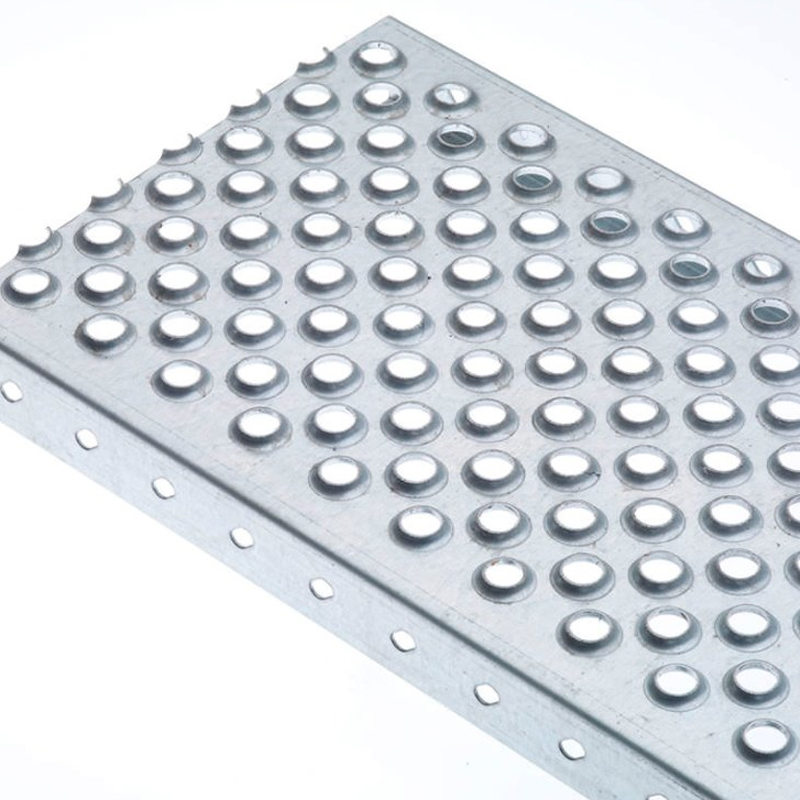
Engineering Specification of 304/430 Stainless Steel Sheet for Industrial Platforms and Factory Walkways
This in-depth engineering guide explains how to specify 304, 316 and 430 stainless steel sheet, together with hot-dip galvanized alternatives, for industrial platforms, factory walkways, inspection decks, production-floor covers and maintenance access systems. It expands every technical topic with scientific logic covering passive-film corrosion resistance, pitting and crevice corrosion, plate stiffness, span sensitivity, concentrated loads, fatigue, anti-slip performance, surface finish, welding, embedded iron contamination, lifecycle cost and regional application. The article integrates authoritative references from ASTM, OSHA, worldstainless, the UK Health and Safety Executive and the American Galvanizers Association.
READ MORE...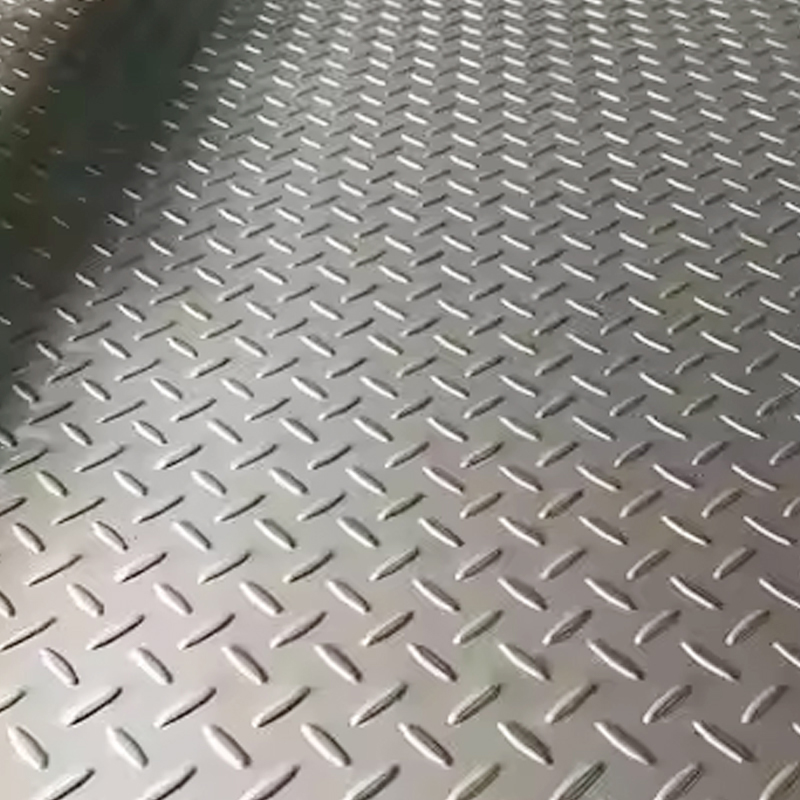
Engineering-Grade 304/430 Stainless Steel Plates for Factory Platforms and Walkways
Engineering-grade 304, 316 and 430 stainless steel sheets, together with hot-dip galvanized alternatives, can support factory platforms, walkways, maintenance decks, stair components and drainage covers when grade, thickness, finish, structural support and anti-slip treatment are correctly matched to the operating environment. This expanded guide compares 0.90 mm and 2 mm cold-rolled sheets, 2500 × 1250 mm and 3000 × 1250 mm formats, 2B, satin and BA finishes, fabrication requirements, corrosion exposure, safety controls and lifecycle cost. It also includes a supplier-reported machinery-plant case, regional application guidance, five authoritative technical references, and forty product, pain-point and buyer keywords for industrial SEO.
READ MORE...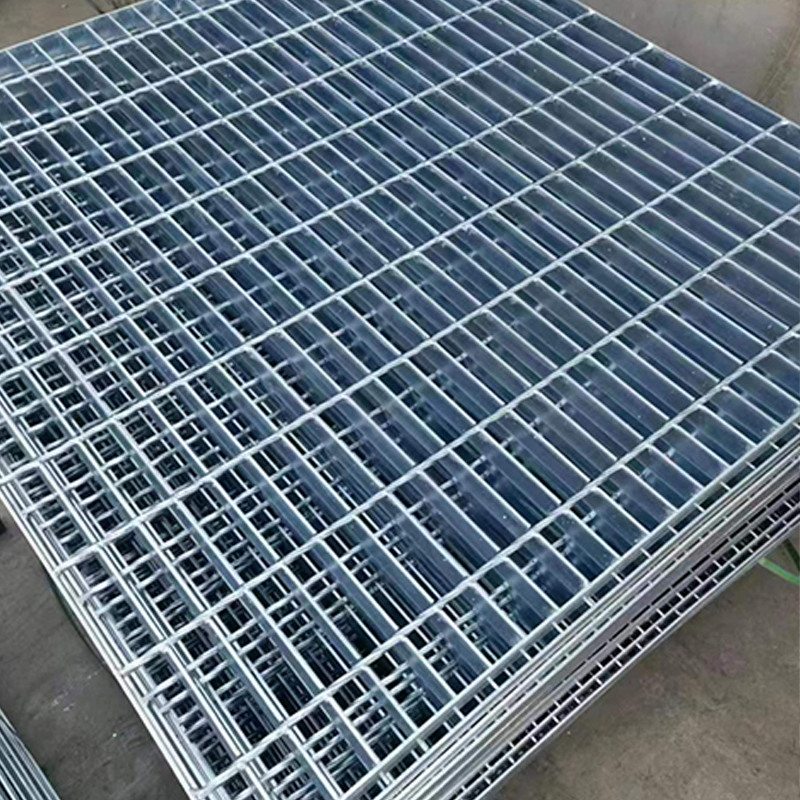
Outdoor Stainless Steel Sheets for Solar Power Plant Walkways, Maintenance Platforms and Weatherproof Enclosures
Outdoor photovoltaic power stations require maintenance walkways, inspection platforms, equipment guards, roof protection and enclosure panels that can withstand heat, rain, dust, wind, temperature cycling and coastal salt. This engineering guide explains how 304 and 316 stainless steel, 430 stainless steel and hot-dip galvanized sheet can be matched to desert, mountain, coastal and rooftop PV environments. It covers 0.90 mm and 2 mm sheet applications, modular sizes, structural support, anti-slip design, dust management, corrosion, drainage, wind exposure, thermal movement, a supplier-reported 200 MW UAE solar project and regional market requirements.
READ MORE...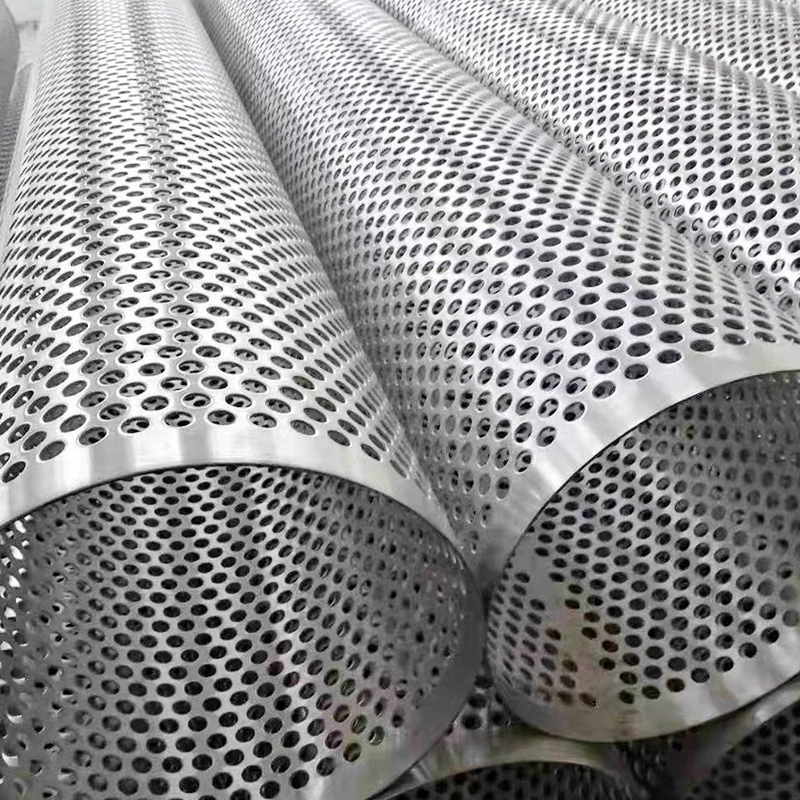
Corrosion-Resistant Stainless Steel Sheets for Wastewater Treatment Plants, Water Engineering and Environmental Equipment
Wastewater-treatment plants expose metal panels to humidity, sewage, sludge, hydrogen sulfide, chlorides, cleaning chemicals and changing pH conditions. This in-depth engineering guide explains how 304, 316 and 430 stainless steel and galvanized sheet can be assigned to municipal and industrial wastewater platforms, sludge walkways, trench covers, equipment enclosures and water-reuse projects. It covers 0.90 mm and 2 mm sheet applications, structural support, sludge accumulation, microbiologically influenced corrosion, anti-slip design, drainage, cleaning, fabrication, a supplier-reported Cairo municipal project, regional markets, three internal links, authoritative external references, 40 SEO keyword groups, a customer hook and complete contact information.
READ MORE...
Heavy-Duty Stainless Steel and Galvanized Plates for Machinery Workshops, Assembly Lines and Industrial Work Platforms
Heavy-machinery workshops expose flooring, work platforms and protective panels to concentrated loads, steel wheels, dragged components, oil, vibration, metal chips, welding heat and repeated maintenance traffic. This in-depth engineering guide explains how 304 and 316 stainless steel, 430 stainless steel and hot-dip galvanized sheet should be assigned to different workshop zones. It also clarifies the correct use of 0.90 mm and 2 mm sheets, structural support, anti-slip design, surface cleaning, welding, corrosion control and procurement requirements. A supplier-reported Shandong engineering-machinery workshop case is analysed through the full logic of failure symptoms, root causes, engineering judgment, purchasing lessons and corrective solutions.
READ MORE...
How to Specify Outdoor Stainless Steel Plates for Solar Farm Maintenance Platforms and Waterproof Enclosures
This engineering guide explains how to specify stainless steel and galvanized plates for outdoor photovoltaic maintenance platforms, walkways, waterproof enclosures, equipment shields, stairs, and removable covers. It compares 304, 316, 430, and hot-dip galvanized options, then analyzes a reported UAE 200 MW desert solar project through field symptoms, root causes, engineering judgment, procurement lessons, lifecycle implications, and a zoned replacement strategy.
READ MORE...
Wood Acoustical Wall Panels: Better Sound, Smarter Design and Reliable Installation
Wood acoustical wall panels combine decorative wood finishes with engineered grooves, acoustic felt, porous backing, and a controlled rear cavity to reduce reverberation and improve speech clarity. This practical guide explains MDF and MgO cores, acoustic testing, fire safety, indoor-air considerations, installation, customization, applications, procurement questions, and a customer renovation story for offices, schools, studios, theaters, auditoriums, and commercial interiors.
READ MORE...
Wood Acoustical Panels: Grooved and Perforated Wood Systems
Wood acoustical panels balance decorative wood finishes with practical sound absorption. This guide explains grooves, circular perforations, MDF and MgO substrates, black acoustic textile, porous backing, rear cavities, NRC testing, Class B1 documentation, panel sizes, flush and reveal edges, veneer options, installation, maintenance, applications, and custom manufacturing. It also includes authoritative technical links, internal related articles, social connections, and a customer-style case story.
READ MORE...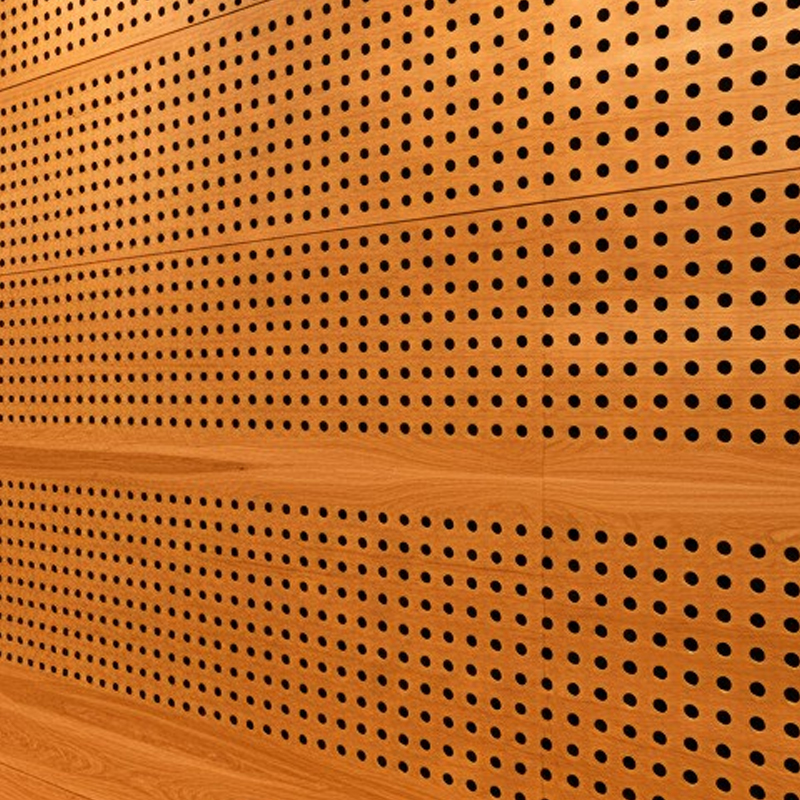
Slotted Acoustic Panels Factory Guide for Walls and Ceilings
Slotted acoustic panels can improve room comfort by allowing sound to enter precisely machined grooves and interact with acoustic fleece, porous absorbers, and a rear cavity. This guide explains the difference between absorption and soundproofing, how slot geometry and mounting affect performance, how to assess NRC reports, and how to select MDF or MgO substrates, finishes, panel sizes, edge details, and installation systems. It also includes authoritative technical sources, three related internal articles, social-media connections, purchasing questions, a customer-style project story, and forty SEO hashtag keywords.
READ MORE...
How Perforated Acoustic Panels Work in Office Renovations
Perforated acoustic panels help control reflections in offices by allowing sound to pass through precisely designed holes or slots into acoustic fleece, porous backing, and a rear cavity. This guide explains office acoustic problems, heritage-building constraints, panel materials, perforation design, testing standards, ceiling and wall applications, hybrid meeting requirements, privacy limitations, installation planning, maintenance, purchasing questions, and an illustrative office-renovation story.
READ MORE...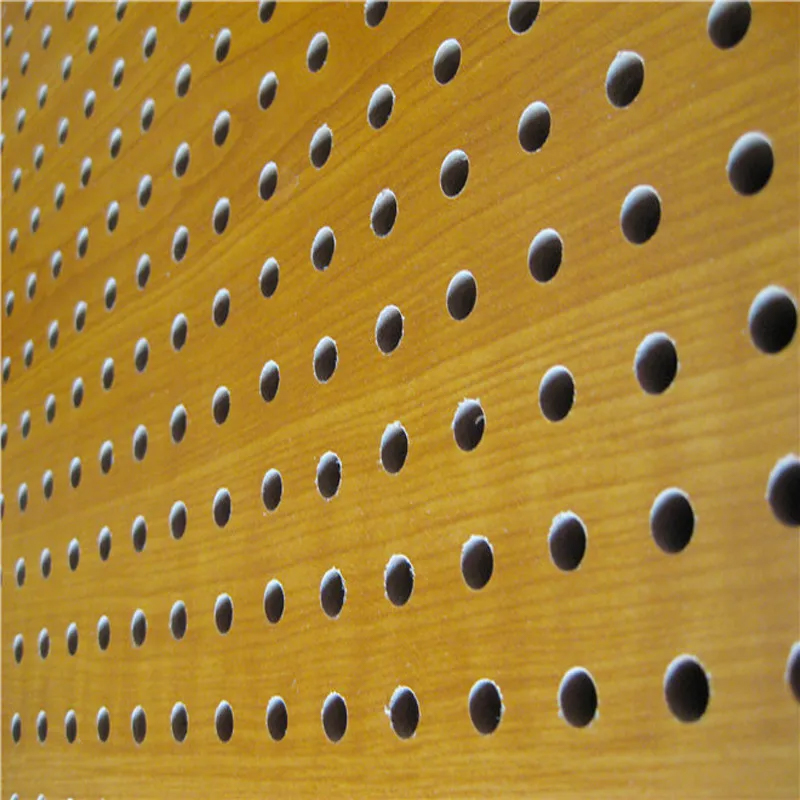
Micro Perforated Acoustic Panels for Auditoriums and Lecture Halls
Micro perforated acoustic panels use a dense arrangement of tiny holes and a rear air cavity to reduce reflected sound without requiring a visibly soft surface. This guide explains how hole geometry, perforation ratio, panel thickness, cavity depth, material selection, acoustic backing, and placement influence performance in auditoriums and lecture halls. It also covers speech intelligibility, ISO and ASTM testing, STI measurement, installation, fire and emissions documentation, maintenance, customization, an illustrative lecture-hall renovation story, three internal article links, authoritative external references, social cross-linking, and forty SEO hashtag keywords.
READ MORE...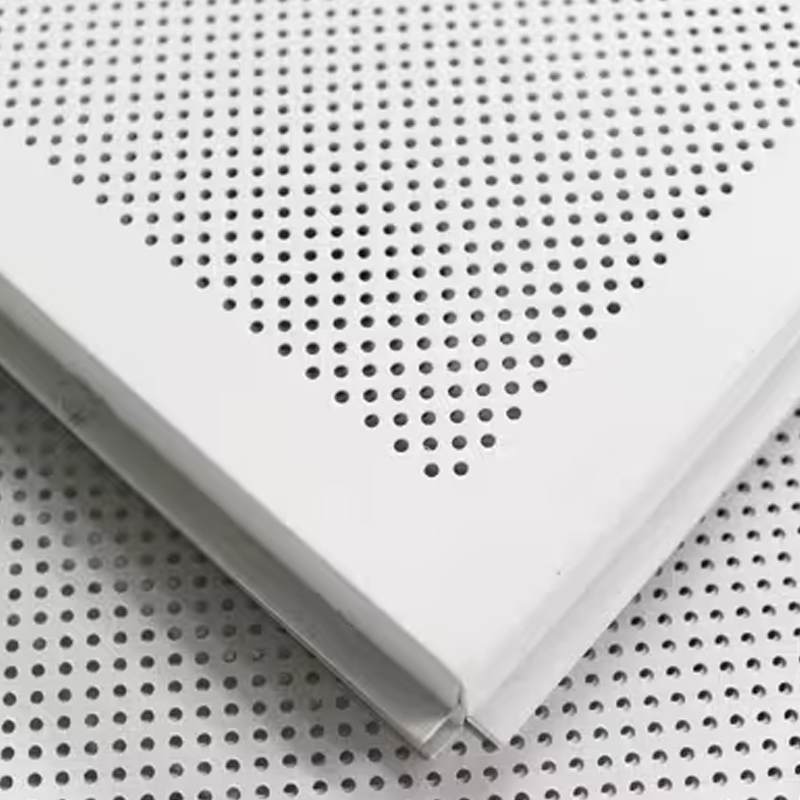
Perforated Ceiling Tiles 600 x 600 mm Design Guide
Perforated ceiling tiles use holes in an MDF face to allow sound to reach acoustic fleece, optional acoustic wool, and the ceiling cavity. This guide explains the 600 x 600 mm and 600 x 1200 mm formats, 12 mm thickness, 5–10 mm hole sizes, 16 or 32 mm pitch, the 16-16-6 pattern, reference NRC values, open-area calculations, melamine and veneer finishes, fire documentation, suspension systems, installation, maintenance, applications, factory customization, an illustrative hotel renovation story, three internal links, authoritative external resources, and forty SEO hashtag keywords.
READ MORE...